In brief
As Pakistan faces fierce floods, 200,000 individuals have been evacuated from their homes. Rescuers have utilized boats to carry residents to safety, especially in areas close to the Ravi, Sutlej, and Chenab rivers, where the government has warned of exceptionally high water levels. With India signaling the release of water from upstream dams and the country facing extensive monsoon rains, the situation has become dire. Many residents are left stranded, showing reluctance to evacuate, fearing for their belongings and livelihoods.
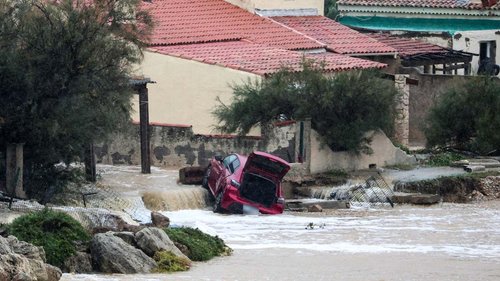
Some 200,000 people have been evacuated as floods devastate parts of Pakistan's Punjab province. Rescuers have been carrying residents to safety in boats after disaster authorities warned of exceptionally high floods along the Ravi, Sutlej, and Chenab rivers. Various districts have requested army assistance amid the crisis. This emergency follows India's notification about releasing water from major dams upstream, intensifying the flooding in one of Pakistan's most populous provinces. The monsoon season has already claimed over 800 lives in Pakistan since June due to severe rainfall. The National Disaster Management Authority (NDMA) has urged individuals in affected areas to steer clear of rivers, drains, and low-lying zones. Prime Minister Shehbaz Sharif has stated that the federal government will collaborate fully with local authorities to mitigate the flooding risks, especially in urban sectors like Gujarat, Sialkot, and Lahore, the latter being the country's second-largest city. Sialkot reported unprecedented rainfall, resulting in significant property damage. Stranded residents are refusing to evacuate, hesitant to leave their livestock and stored food behind, while many are reliant on emergency teams for refuge on higher ground. As the situation worsens, the urgency for aid and action remains critical.