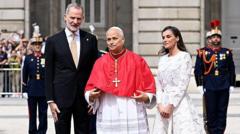
King Felipe of Spain has made headlines by acknowledging the abuses that occurred during his country's conquest of Mexico, effectively addressing a longstanding diplomatic rift between the two nations.
During a visit to an exhibition dedicated to indigenous women at Madrid's National Archaeological Museum, the king noted that there had been a lot of abuse during the conquest, sparking both recognition and backlash around Spain's colonial history.
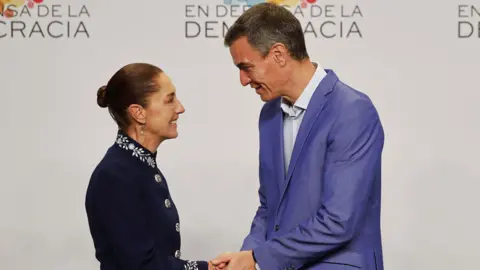
This gesture has been framed as a significant step in mending relations, with Mexican President Claudia Sheinbaum welcoming the comments as a gesture of reconciliation. She emphasized that while it may not be everything Mexico wanted, it signals a recognition of historical excesses and atrocities that took place during Spain’s colonization.
The acknowledgment comes as both nations reflect on the consequences of colonization. Spanish presence in the New World, starting in the late 15th century, led to the widespread propagation of Christianity and the Spanish language, but also resulted in the tragic loss of countless indigenous lives due to military conquests and diseases.
King Felipe added, There are things that, when we study them, with our present-day criteria, our values, obviously cannot make us feel proud. This marks a historic first for a Spanish monarch in recognizing the colonial abuses, previously a contentious issue in diplomatic dialogues.
Despite the king's words being praised, they have reignited debates within Spain about whether to reassess the nation's colonial legacy. Politicians from the conservative People's Party criticized this move, arguing that analyzing historical actions through a contemporary lens is inappropriate.
Amidst these discussions, Sheinbaum hopes that Felipe’s acknowledgment will pave the way for ongoing dialogue regarding colonial histories, although the specific pathways to such conversations remain uncertain.
The timing of these remarks is poignant as it coincides with the 500th anniversary of the fall of Tenochtitlán, a critical moment in Mexican history, further emphasizing the historical context of these conversations.