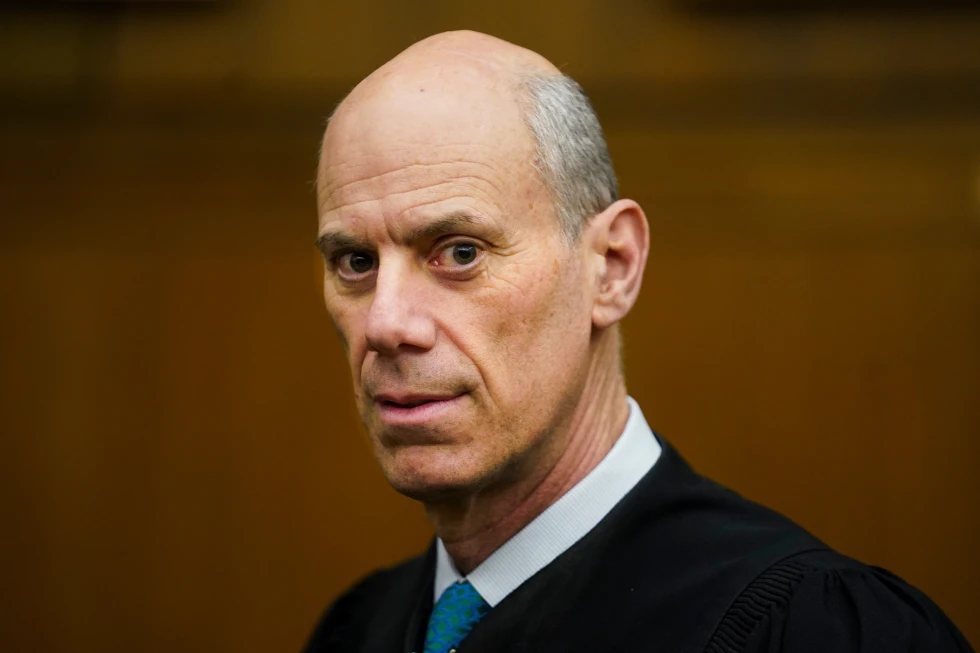
TRENTON, N.J. (Echosphere) — In a recent courtroom confrontation, U.S. District Judge Zahid N. Quraishi took a firm stance against the mismanagement of federal prosecutions in New Jersey by the Justice Department. The judge's remarks came amid concerns regarding the constitutional legality of several appointments made during the Trump administration.
Last week, another judge ruled that the Trump administration's replacement of interim U.S. Attorney Alina Habba with a group of officials violated the Constitution's Appointments Clause, which necessitates Senate confirmation for such roles. The officials—Philip Lamparello, Jordan Fox, and Ari Fontecchio—have remained in their positions pending an appeal.
During the hearing, Judge Quraishi ordered Assistant U.S. Attorney Daniel Rosenblum to clarify the management structure of the office and whether Habba held any influence, despite her denials. The judge's anger escalated when Rosenblum's supervising attorney tried to interrupt, leading Quraishi to threaten the attorney with removal by court security.
The judge vented his frustrations while preparing to sentence an individual for possessing child sexual abuse materials. He criticized the case for being jeopardized due to a rushed plea agreement which followed a 'sloppy investigation'. The hearing was ultimately rescheduled to allow for further inquiries.
“You have lost the confidence and the trust of this Court,” Quraishi reprimanded Rosenblum, reflecting a wider sentiment among the New Jersey legal community and the public regarding the competence of Justice Department prosecutions.
The Justice Department defended itself, with spokesman Chad Gilmartin claiming some judges prioritize theatrics over public safety. Nevertheless, Judge Quraishi maintained that future trust hinges on the responses of the triad of officials and indicated he may summon Habba and other high-ranking officials to testify if their explanations are unsatisfactory.
The ongoing issues within the Justice Department's management continue to raise alarm bells, as courts grapple with the implications of leadership changes that may violate established constitutional guidelines.