In brief
With growing pressures from both far-right and far-left parties, Friedrich Merz proposes unprecedented military spending to ensure Germany’s strategic autonomy and improve aging infrastructure, yet struggles to secure necessary parliamentary support.
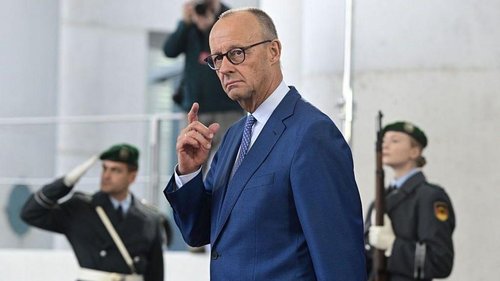
In a decisive moment for German politics, Friedrich Merz, the likely next Chancellor, is pushing for a monumental shift in the nation’s fiscal policies. On March 13, 2025, he introduced a proposal during a parliamentary session aimed at removing Germany's long-standing government spending limits. His objective? To significantly increase military and infrastructure spending as a counter to perceived threats from the U.S. and the evolving European security landscape.This bold initiative comes in the context of a pressing political environment where centrist parties are rapidly losing ground to extremist factions on both the left and right. According to Merz, “We must ask ourselves if an American government will back NATO decisions if we—Germany and our European partners—are not prepared to reinvent our defense strategies.” His fervent remarks underscore a growing urgency for Germany to reevaluate its international commitments, particularly as President Trump's administration signals a potential withdrawal from its longstanding support for NATO.The aim of Merz's proposal is to open access to hundreds of billions of euros, potentially trillions, earmarked for critical upgrades to Germany's aging infrastructure and military capabilities. This push is seen not only as a means of keeping pace with global military advancements but also as a necessary step to bolster national security in a rapidly evolving geopolitical climate.However, while the Christian Democrats, Merz's party, narrowly secured a victory in the recent elections, they face significant challenges in securing the votes needed to pass these ambitious reforms. Observers note that the next week will be crucial in determining if Germany is ready to embrace this transformative approach to defense and infrastructure.As the political landscape shifts, all eyes will be on the German Parliament to see if they endorse this strategic realignment and how it will impact both local and European security in the coming years.