In brief
Five days post-Hurricane Melissa, residents in Westmoreland and surrounding areas remain isolated and without basic amenities. With a rising death toll and promises of aid unfulfilled, communities struggle to cope with the devastating impact of the record-strength storm. The government faces criticism for the slow response while international aid efforts begin to mobilize.
Five days after Hurricane Melissa pummelled into western Jamaica with record force, residents in devastated communities along the coast are still desperately waiting for help.
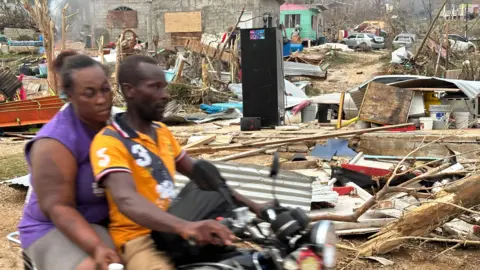
Many of the roads are blocked by debris and people are isolated with little food, no power or running water, and no idea of when normalcy will return.
The government said on Saturday that at least 28 people in Jamaica have died since the hurricane hit as a monster category five storm with 185 mph (297km/h) sustained winds.
That is a near 50% jump in the death toll overnight, and the number could rise as officials clear their way into new parts of the island in the coming days.
Local official Dr Dayton Campbell told the BBC 10 of those deaths were in Westmoreland. Westmoreland parish is believed to have the second highest number of unconfirmed deaths.
A long stretch of road headed west into Westmoreland Parish winds through a graveyard of trees—structures of branches and limbs, cracked and twisted, blanketing the landscape for miles. It is grim evidence of Hurricane Melissa's ferocity - it was the strongest storm to strike the Caribbean island in modern history.
Residents of Whitehouse, a coastal town and commercial hub, have voiced their frustration as they wait for assistance. We don't know what lies ahead, stated a police officer who described the scene as total devastation.
Many residents express feelings of hopelessness, stating, No help, no food, no water is their current reality.
The Jamaican government has faced criticisms for its response. Prime Minister Andrew Holness emphasized the urgency of clearing debris and restoring essential services, and monitoring aid efforts being deployed, including more than 200 StarLink devices for internet access.
International help is beginning to arrive, with the US State Department's Disaster Assistance Response Team on the ground and UK pledging funds and emergency supplies. Resilience remains high among the residents, as many express a determination to keep hope alive amidst the chaos.