In brief
An internal rift within the Taliban has been uncovered, revealing a clash between hardliners led by supreme leader Hibatullah Akhundzada and a more pragmatic group based in Kabul. This conflict gained public attention when an internet shutdown ordered by Akhundzada was reversed by Taliban ministers in Kabul, indicating a deeper divide over governance in Afghanistan.
The recent internet shutdown across Afghanistan has revealed significant internal conflict within the Taliban, undermining the perceived unity of the group that took power in August 2021. The move, ordered by the supreme leader Hibatullah Akhundzada, was a stark expression of his authoritarian stance, but the swift reversal of this order by ministers in Kabul signaled a worrying fracture at the top levels of Taliban governance.
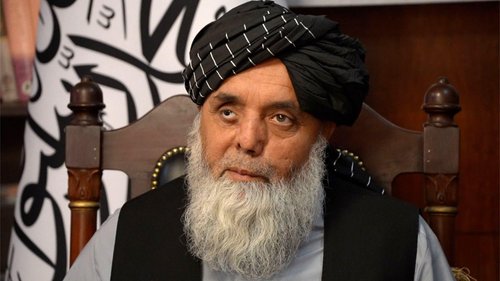
Reports indicate that Akhundzada, a man deeply distrustful of the internet, perceives it as a threat to his strict interpretation of Islamic teachings. In a leaked audio clip, he expressed concern over internal divisions potentially jeopardizing the stability of the regime he sought to consolidate. Observers noted that the order to cut off internet access was ultimately a reflection of his control, but the opposition from the Kabul faction—a group pushing for more nuanced governance—was unexpected.
Following the shutdown's enforcement, key ministers from Kabul united to push Prime Minister Mullah Hassan Akhund to swiftly reverse the order, suggesting that the influence of the Kabul group, despite being seen as less hardline, is rising. This group is primarily composed of Taliban members who advocate for engaging with the outside world and promoting a version of governance that permits some social freedoms, including education for girls beyond elementary school.
The unexpected action of reversing Akhundzada's internet shutdown order ignited speculation about the potential for broader unrest within the Taliban ranks. Insiders hinted at the growing frustration among the Kabul group regarding the staunch policies of Akhundzada, who is increasingly exhibiting authoritarian tendencies and aligning himself with hardliners.
This internal strife within the Taliban illustrates the complexities of governance in Afghanistan under the new regime. As debates continue over various social issues and the future direction of the country, the emerging divisions highlight the fragile nature of Taliban unity and the potential for significant transformation within the government structure.