In brief
As tensions between the US and Venezuela escalate, ordinary citizens are more concerned with navigating daily food shortages and rampant inflation than the possibility of military intervention. Market vendors and consumers express a prevailing sentiment of fear regarding economic instability, asserting that their everyday struggles overshadow geopolitical concerns.
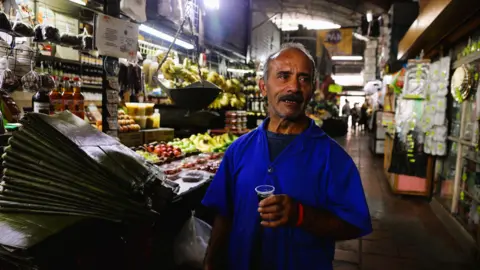
While Nicolás Maduro's government lives under the looming threat of military action from the US, ordinary Venezuelans grapple with the harsh reality of finding food amidst spiraling inflation. At a bustling market in Caracas, citizens express their distress not over a potential invasion, but over the skyrocketing food prices that leave them scrambling for cash each day.
Alejandro Orellano, a market vendor, articulates the prevailing mindset: There's not going to be an intervention, nothing like that. What's really troubling us is the rise of the dollar. As military tensions rise with US troop deployments near Venezuelan shores, the population remains more focused on the realities of their economic survival than on international events.
Despite the US government's military posturing, local residents like Alejandro and others feel disconnected from these geopolitical dynamics, prioritizing their immediate needs over fears of conflict. Many believe that with Venezuela's dire economic situation, an actual armed conflict seems far-fetched compared to their tangible struggles for food and financial security.
Food prices have surged dramatically, with essentials like chicken costing multiple times the minimum wage. For the older generation, like 74-year-old Consuelo, the worries lie deeper in a declining economy than anxieties over potential invasion, noting, Let whatever happens happen! And that's it! These sentiments underscore a shared skepticism towards the narrative of military threats, instead focusing on how to afford daily meals amid crippling inflation.
The International Monetary Fund predicts a staggering inflation rate of 548% for the year, leading many to question the sustainability of any economic stability in the visible future. In this context, Venezuelans navigate the everyday hardships of survival against a backdrop of political unrest and military threats from abroad.
Communities remain hesitant to voice their concerns too openly, fearing government retaliation during a time when political protests have seen numerous arrests. Yet, many recognize their plight has instilled a sense of quiet resilience – people maintain hope amidst a worsening situation, indicating a delicate balance between fear of military action and the priority of securing daily sustenance.