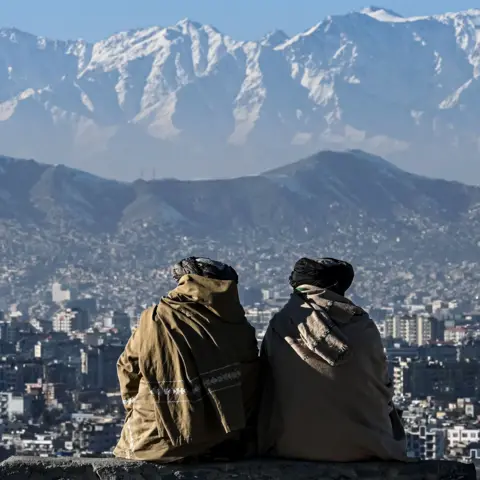
The Taliban's supreme leader, Hibatullah Akhundzada, is reportedly deeply concerned about internal dissent rather than external threats, a sentiment evident in a leaked audio clip where he warns of divisions within their ranks. This division has intensified following a controversial order in September to shut down the internet across Afghanistan, an abrupt move that was countered by a coalition of Kabul-based ministers who deemed it detrimental to governance and commerce.
This incident marks a pivotal moment, unveiling the ongoing power struggle between two factions within the Taliban: Akhundzada’s strict supporters based in Kandahar and a more modernist group operating from Kabul that favors international engagement and women's education. The surprising reversal of the internet shutdown has sparked speculations of a potential fracture in the previously unified Taliban leadership.
Analysts observe that Akhundzada's increasing centralization of power and rigid ideologies have fueled dissatisfaction among his more pragmatic counterparts, who recognize the necessity of adapting to modern realities to maintain governance. As various factions vie for influence, the future of Taliban rule and its impact on Afghan society hangs in balance, prompting questions about whether the prevailing leadership can unite to create a sustainable and inclusive government.
Furthermore, the Taliban’s treatment of women and their educational rights remains a significant point of contention, complicating the balancing act between traditionalist ideologies and the must-have engagement with the global community that the Kabul group advocates.
Thus, as 2026 approaches, the internal discord within the Taliban could potentially reshape Afghanistan’s socio-political landscape, raising important discussions on leadership accountability, governance, and the rights of citizens in a country caught between extremist views and the need for progress.
This incident marks a pivotal moment, unveiling the ongoing power struggle between two factions within the Taliban: Akhundzada’s strict supporters based in Kandahar and a more modernist group operating from Kabul that favors international engagement and women's education. The surprising reversal of the internet shutdown has sparked speculations of a potential fracture in the previously unified Taliban leadership.
Analysts observe that Akhundzada's increasing centralization of power and rigid ideologies have fueled dissatisfaction among his more pragmatic counterparts, who recognize the necessity of adapting to modern realities to maintain governance. As various factions vie for influence, the future of Taliban rule and its impact on Afghan society hangs in balance, prompting questions about whether the prevailing leadership can unite to create a sustainable and inclusive government.
Furthermore, the Taliban’s treatment of women and their educational rights remains a significant point of contention, complicating the balancing act between traditionalist ideologies and the must-have engagement with the global community that the Kabul group advocates.
Thus, as 2026 approaches, the internal discord within the Taliban could potentially reshape Afghanistan’s socio-political landscape, raising important discussions on leadership accountability, governance, and the rights of citizens in a country caught between extremist views and the need for progress.