India Protesters Demand Exam Reforms as Police Use Tear Gas
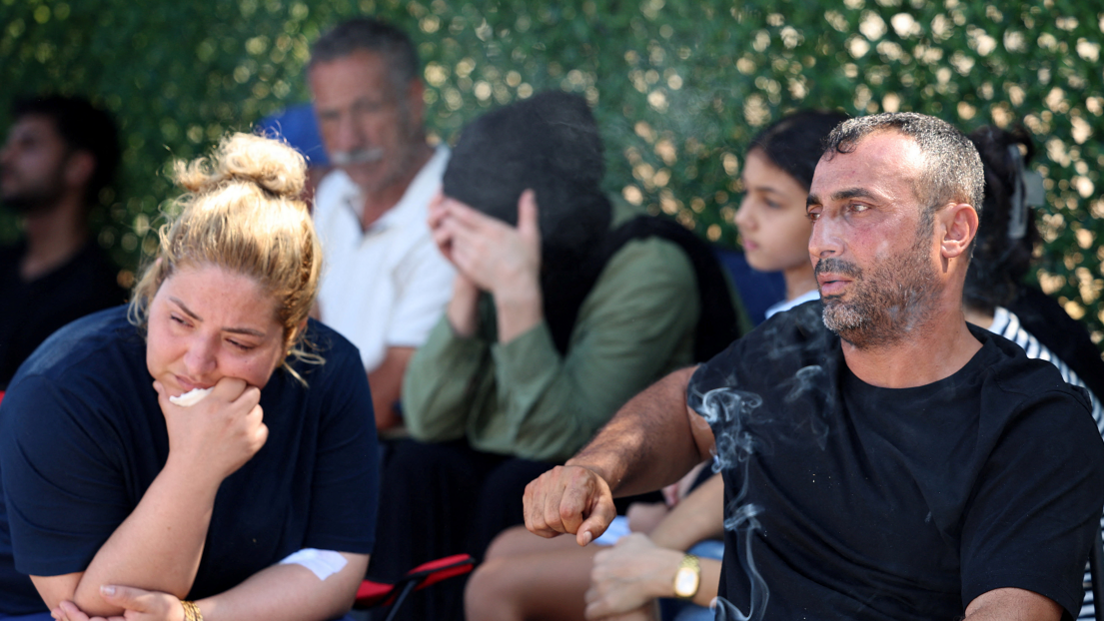
In Ranchi, the state capital of Jharkhand, thousands of students, job seekers and volunteers have gathered for over two weeks to protest the government’s civil service examination system, following allegations that leaked answer sheets had shown candidates answering far fewer questions than required. The protest, organized by the non‑partisan “Cockroach Janta Party”, culminated on 25 July when the education minister resigned and the state government announced the cancellation of the disputed exams.
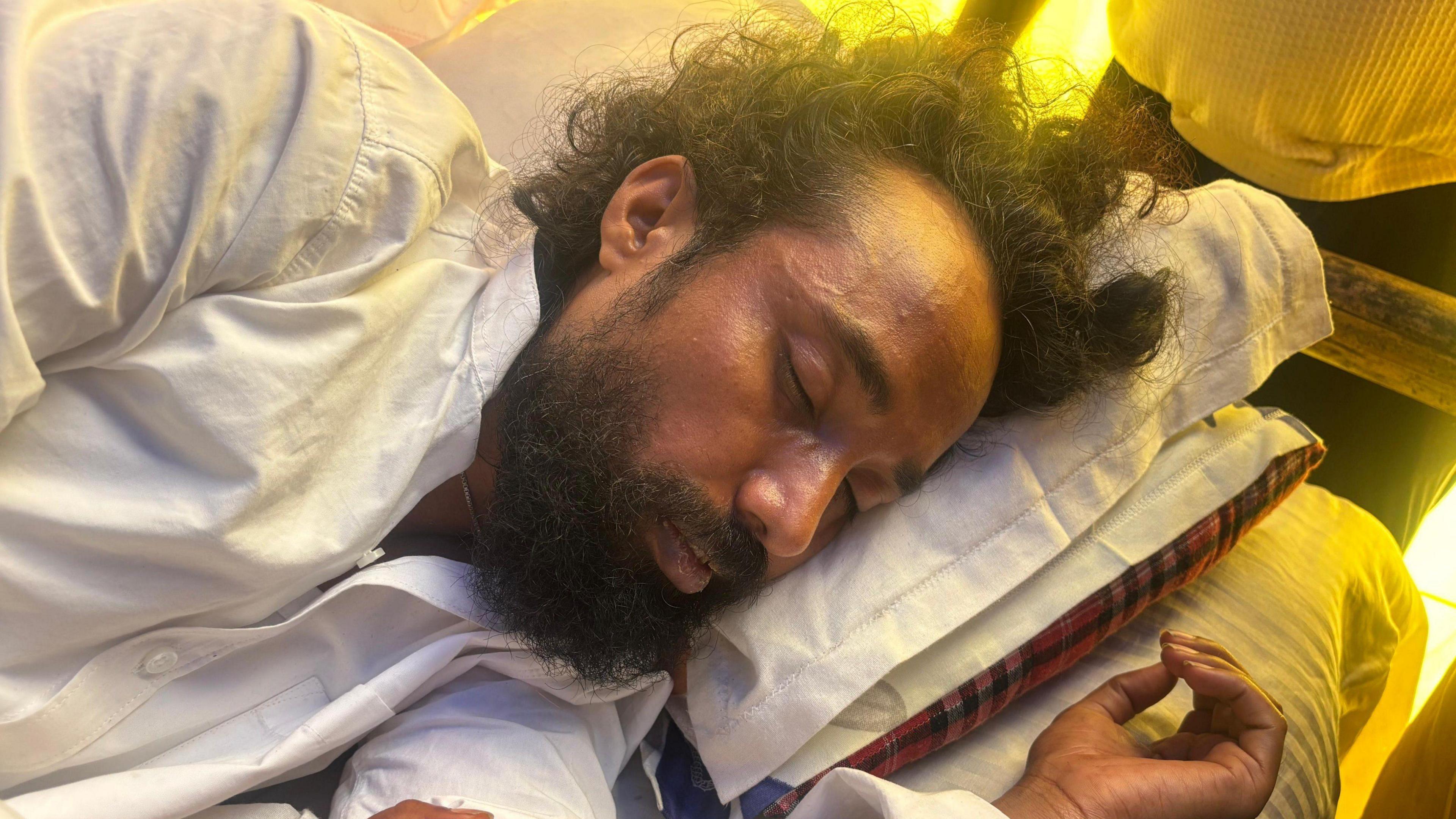
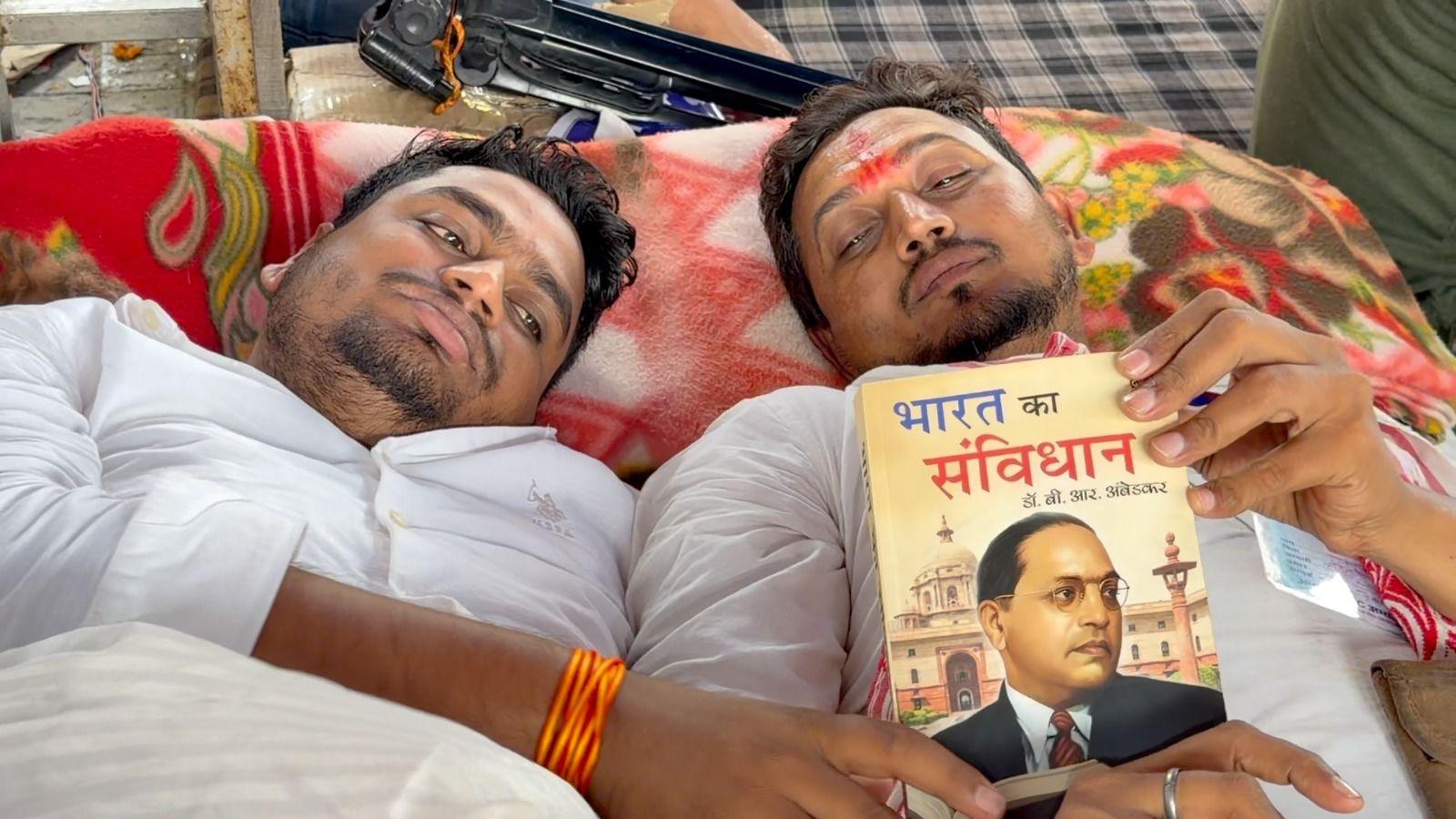
Despite the removal of the contested exams, the crowd remained at a stadium in the city, with many protesters sleeping on the grounds and a handful going on hunger strike. The crowd’s focus shifted from the cancelled test to demanding a nationwide investigation of the irregularities by the Central Bureau of Investigation (CBI), a move the state government has yet to entertain.
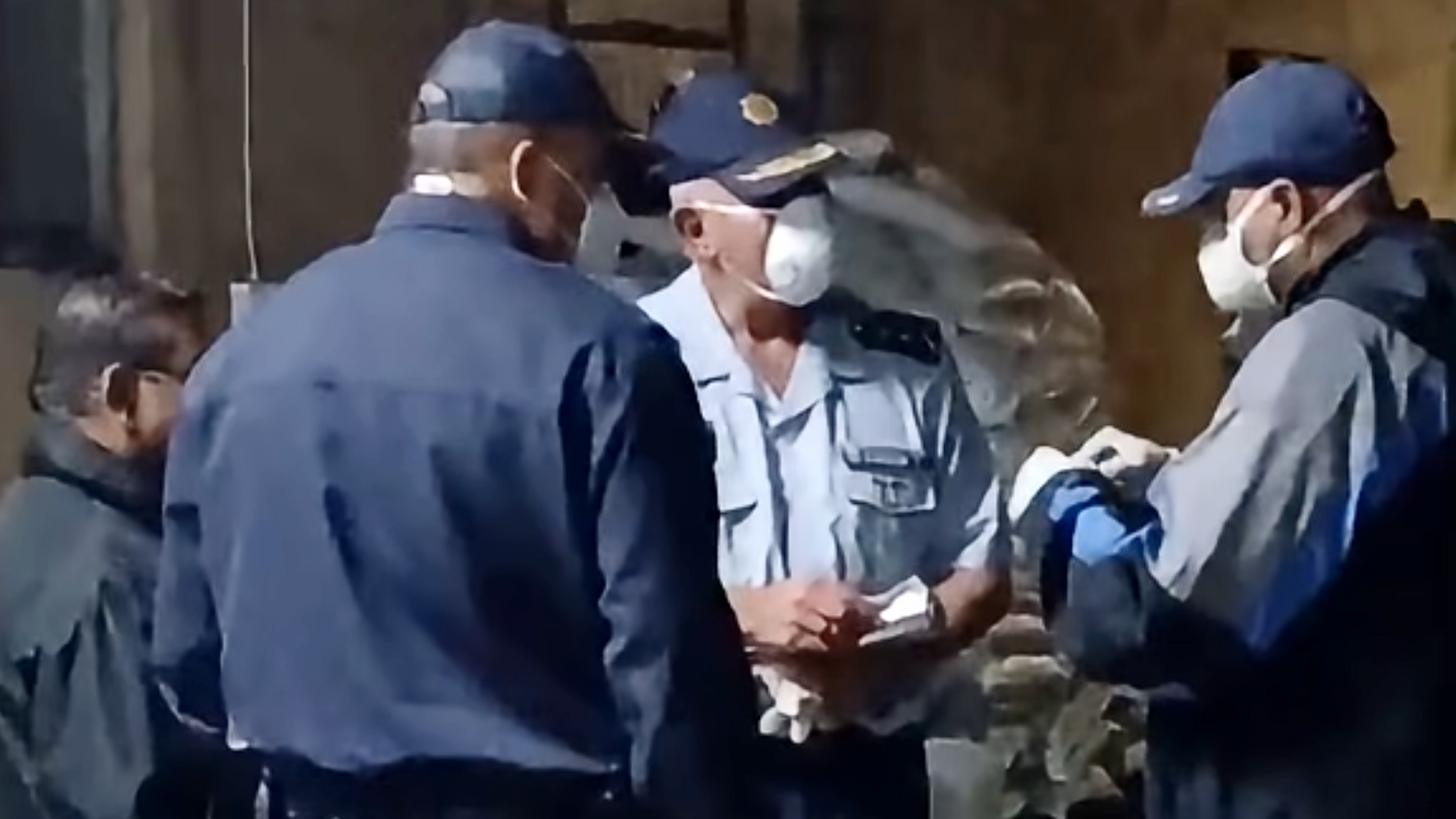
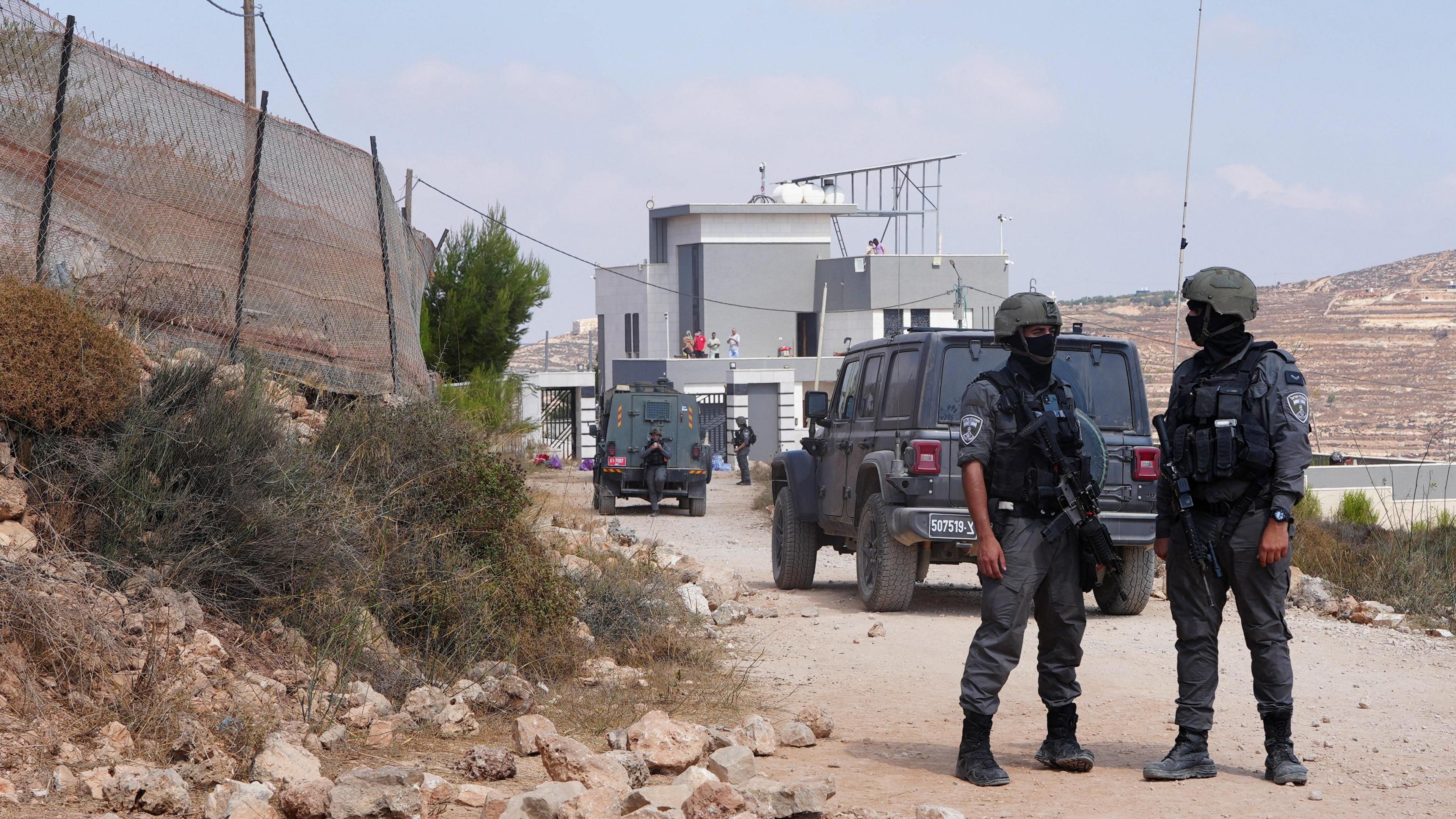
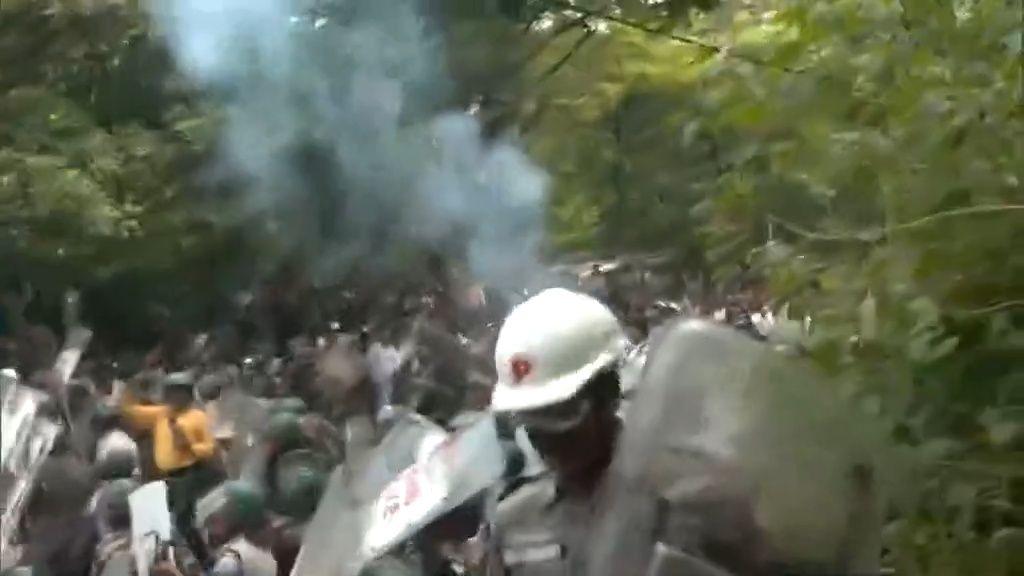
Police said they had deployed tear gas shells, water cannons and batons to curb the crowd, noting that the majority of demonstrators were peaceful but that a few had attempted to breach barriers and hurled stones at officers. Ranchi City Superintendent of Police Paras Rana confirmed that three police officers were injured during the confrontation; he also appealed for calm, stating that the protestors’ demands were being heard by the government.
An additional layer of political tension emerged as the Bharatiya Janata Party and the Indian National Congress both publicly supported the protests, calling for systemic reforms and a federal investigation. The Chief Minister of Jharkhand, Hemant Soren, warned against politicising the protest and reiterated his pledge to deliver justice to the affected candidates.
While the protest’s primary aim is to address examination irregularities, the broader public response signals a deep mistrust in state institutions that may have environmental and societal repercussions. The disruption of educational processes affects resource allocation, including the use of buildings and digital infrastructure required for fair testing—elements that shape sustainable development planning in the state’s future. In addition, the protests highlight the necessity for transparent, equitable assessment systems that support informed and inclusive educational pathways, a cornerstone of climate‑resilient societies.