In a swift move aimed at safeguarding the integrity of the upcoming National Eligibility cum Entrance Test‑Undergraduate (NEET‑UG) exam, the Indian government has temporarily blocked the messaging app Telegram for users in India. The ban, which is set to lift on 22 June after the exam finalised on 21 June, comes after allegations that certain groups on the platform were facilitating cheating by distributing leaked exam papers.
The National Testing Agency (NTA) applauded the decision, stating the restriction was a necessary response to the "organised use of the platform by cheating rackets to defraud candidates". It also pointed out that the Ministry of Electronics and Information Technology had ordered Telegram to disable message‑editing features until 30 June to stop the creation of fake evidence of leaks.
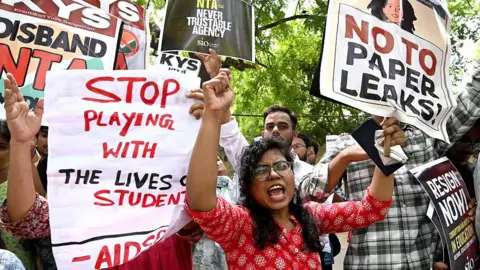
Despite the official rationale, internet activists and users are decrying the ban as a "band-aid solution" that penalises ordinary students who rely on Telegram for study‑groups, doubt‑clearing, and sharing educational resources. The Internet Freedom Foundation (IFF) notes that the block does not address the core issue of leaks originating from within the education system and may lead to unintended harms.
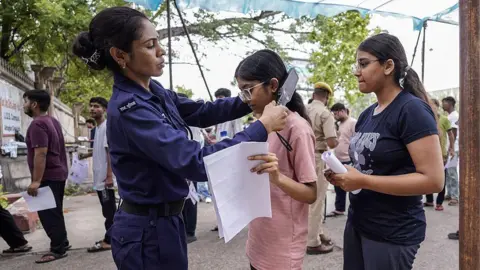
Allegations of paper leaks surfaced on 3 May, when more than 5,000 centres tested nearly 2.28 million candidates. Within days, the NTA cancelled the exam and a series of arrests followed amid a Central Bureau of Investigation probe into the leaks.
Authorities have taken down a "substantial number of Telegram channels, groups and bots" used to advertises fraudulent services. One group reportedly demanded hundreds of thousands of rupees from candidates in exchange for purported access to a re‑exam paper that, contrary to claims, does not exist outside the exam chain.
While the NTA apologized for the inconvenience caused, stating it was reluctant to interfere with legitimate use, critics argue that a digital‑rights‑focused, transparent policy would be a more sustainable solution than an outright ban. The approaching exam remains a critical juncture for millions of aspiring doctors, offering a stark reminder of the challenges that digital platforms pose for integrity and fairness in education, especially amidst swift policy changes driven by immediate concerns over cheating.