In brief
A 28‑year‑old mother of four in Begusarai, Bihar, suffered a brutal gang rape that parallels the infamous 2012 Delhi assault. Police and medical staff showed indifference, while a Special Investigation Team is now probing the case. The incident, involving insertion of a bullet casing and other objects, has drawn national attention and highlighted pervasive systemic failures in addressing sexual violence across India.
Thirteen years after the brutal bus‑ride gang rape in Delhi that ignited a global outcry, a new case in the backward district of Begusarai, Bihar, has reignited the same grim memories. A 28‑year‑old mother of four was attacked in her one‑room house’s outdoor bathroom, a place that offered little privacy. Five men ganged‑up on her, stripped her, gagged her, tied her hands, slashed her chest, and forced sexual violence with objects inserted into her private parts, reportedly including a bullet casing, as hospital officials confirmed.
Despite the severity of the assault, local police failed to file an immediate complaint, sending the wife to a private clinic that refused her due to no doctor on duty. She was only admitted to a government community health centre where medical staff conducted the first aid but later dismissed her, only to readmit her after she lost consciousness the next day. Senior police officer Maneesh has since been suspended for “negligence, apathy and insensitivity” and a Special Investigation Team is conducting raids to arrest all alleged perpetrators.
The court case has drawn parallels with 2012’s Delhi gang rape, which prompted stricter anti‑rape laws in India, including the death penalty for severe cases. Yet, over 30,000 rape incidents are registered each year, with many cases remaining unreported. Campaigners say the new case illustrates the systemic apathy that continues to pervade rural India.
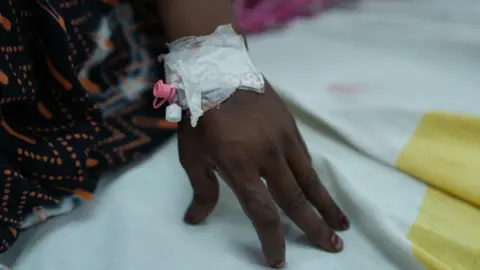
Survivor Soma, whose anonymity is protected by law, remains in a hospital bed, frequently visiting by journalists, politicians and social workers. Her family, located 35 kilometres away, ensures her children remain safe while she recuperates. She hopes to return home soon, eager to recover her dignity and return to her daily life.