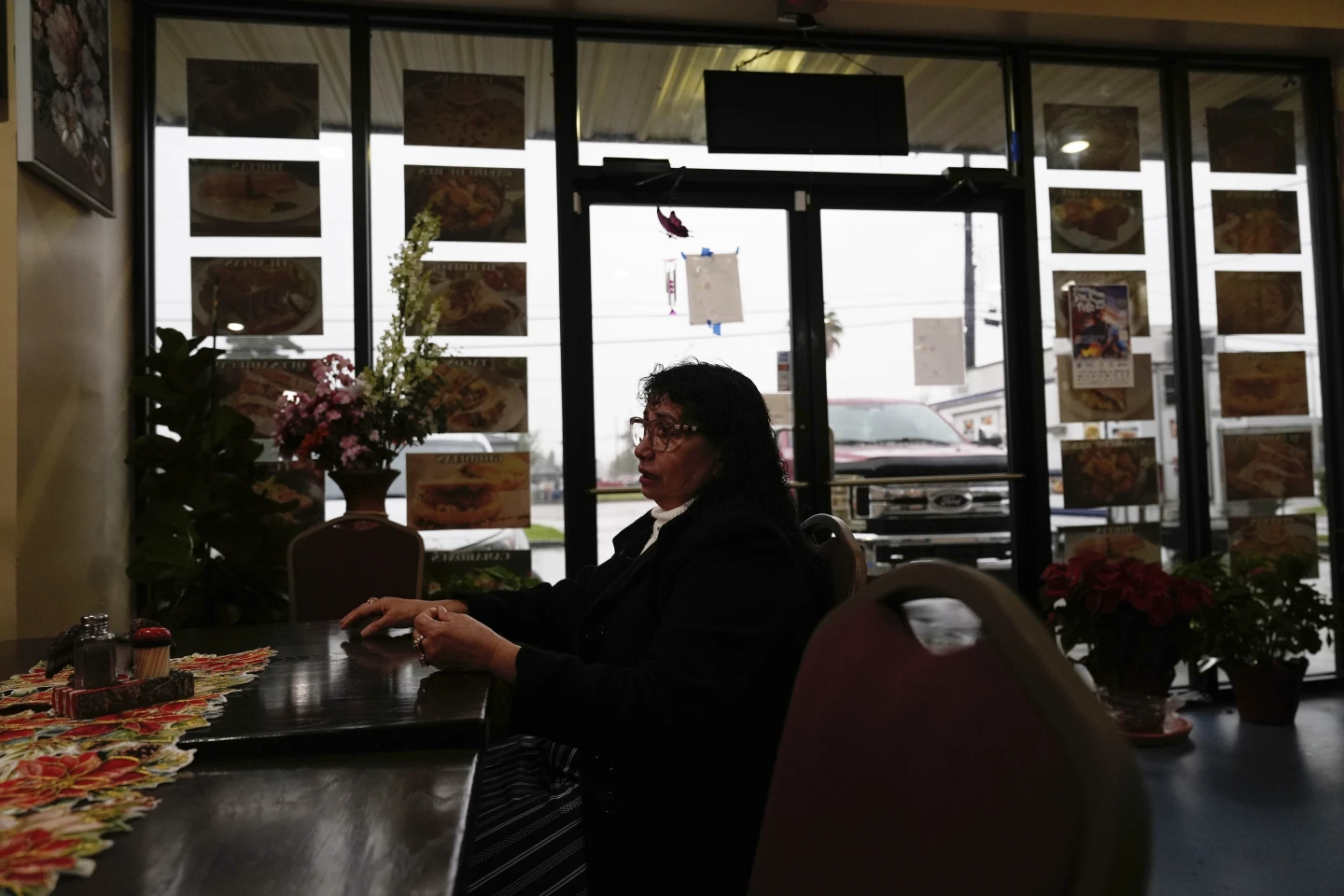
KENNER, La. — The taco joint of Carmela Diaz stands locked, tables empty, and the kitchen silent. Once a bustling hub for a thriving Hispanic community, it now reflects the harsh reality faced by many similar businesses in areas populated by Spanish speakers. Under the shadow of a recent federal immigration crackdown aimed at detaining 5,000 individuals, local businesses are in a fragile state, with a sharp decline in both customers and staff.
Diaz, who has run Taqueria La Conquistadora since 2006, reported a dramatic drop in foot traffic from fearful customers. There were days we didn’t sell anything. That’s why I made the decision to close the business — because there was no business, she recounted, tears in her eyes.
The enforcement wave, referred to as Catahoula Crunch, has significantly impacted Kenner—a city with the highest percentage of Hispanic residents in Louisiana. Videos circulating on social media depict federal agents executing detentions outside various local establishments and construction sites, further fueling apprehension among community members.
A Community in Crisis
Kenner's Hispanic population surged following the aftermath of Hurricane Katrina in 2005, leading many to work in rebuilding efforts. More than 30% of its residents identify as Hispanic. Many inhabitants like Diaz, who emigrated from El Salvador, have carved out a life through business ventures that are now under threat. As her dine-in services close, Diaz resorts to home delivery as she connects with loyal customers who, like her, are wary of the enforcement operations.
They don’t respect anyone. They don’t ask for documents. They just take them away, exclaimed Diaz, shedding light on the deep injustices faced by members of her community.
Federal Justifications
As local fear mounts, Department of Homeland Security spokesperson Tricia McLaughlin reassured the public that the operations specifically target violent offenders. Americans should be able to live without fear of violent criminal illegal aliens, she stated while highlighting arrests made during the recent operations.
While Mayor Michael Glaser's office refrains from comment on the federal operations, they acknowledge that law enforcement agencies must maintain professionalism and respect for the community.
A Fearful Future
For residents like Sergio Perez, an immigrant and U.S. citizen, the fear extends to family members lacking legal documentation. With the possibility of deportation looming, he struggles with the stress of navigating an environment where bias against Hispanics permeates daily life. They don’t want us here. It’s like you are in someone’s house and you don’t feel welcome. They’re just killing our spirit, lamented Perez.
This situation reflects a larger pattern of fear and uncertainty faced by immigrant communities across the United States, where the economic and emotional toll continues to grow.