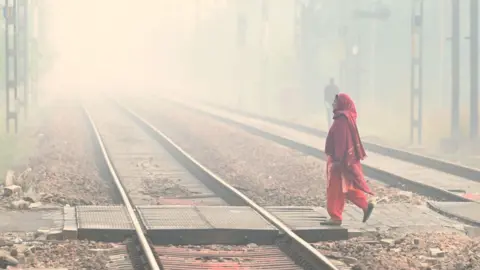
Amidst debilitating air pollution conditions, officials in Pakistan’s Punjab province, which is home to approximately 130 million residents, have mandated that half of the workforce remain at home. This decision comes as the region grapples with unprecedented levels of smog, leading to temporary school closures and overwhelming hospital emergency rooms.
The situation in Lahore, the largest city in Punjab with 13 million inhabitants, has reached a critical point. The Air Quality Index (AQI) measured over 1,000 on Sunday, a staggering figure that signifies hazardous air quality. According to IQAir, a global air quality monitoring organization, any measurement above 301 is deemed dangerous, capable of inducing serious health issues. Lahore has consistently ranked among the world's most polluted cities, contributing to widespread public health concerns and economic ramifications.
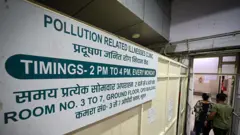
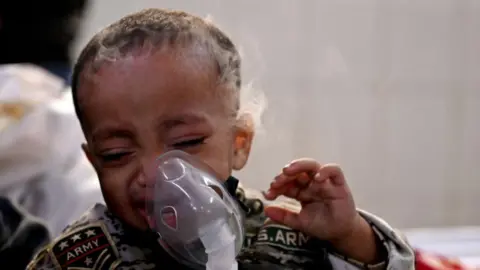
Marriyum Aurangzeb, a prominent minister in Punjab, addressed the crisis during a news conference stating, “This is a critical situation.” In response, authorities are extending school closures, now affecting all grades up to 12, and advising broader limits on outdoor activity. Hospitals in the area have seen a dramatic rise in respiratory-related admissions, with over 900 cases reported in just one day.
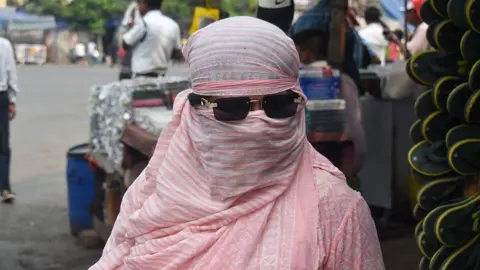
The Punjab government has been forced to initiate stricter protocols to combat pollution. This includes the temporary transition of schools to online learning and robust public health advisories recommending the wearing of face masks. In addition, a crackdown on vehicles identified as major pollutants culminated in the impounding of over 500 cars, while a number of brick kilns responsible for poor air quality were also destroyed.
With conditions forecasted to persist for at least another week, authorities are acutely aware of the potential long-term health impacts, including the reduction of life expectancy by 4.3 years due to rampant air pollution, as indicated by the World Bank. The economic cost from these adverse environmental effects translates to about 6.5 percent of the national economy.
As Punjab confronts the ramifications of this severe air quality crisis, the focus remains on public safety as officials encourage residents to remain indoors and prioritize health in the face of this environmental emergency.