ICC Breakthrough: Linking Rapid Support Forces to Darfur War Crimes
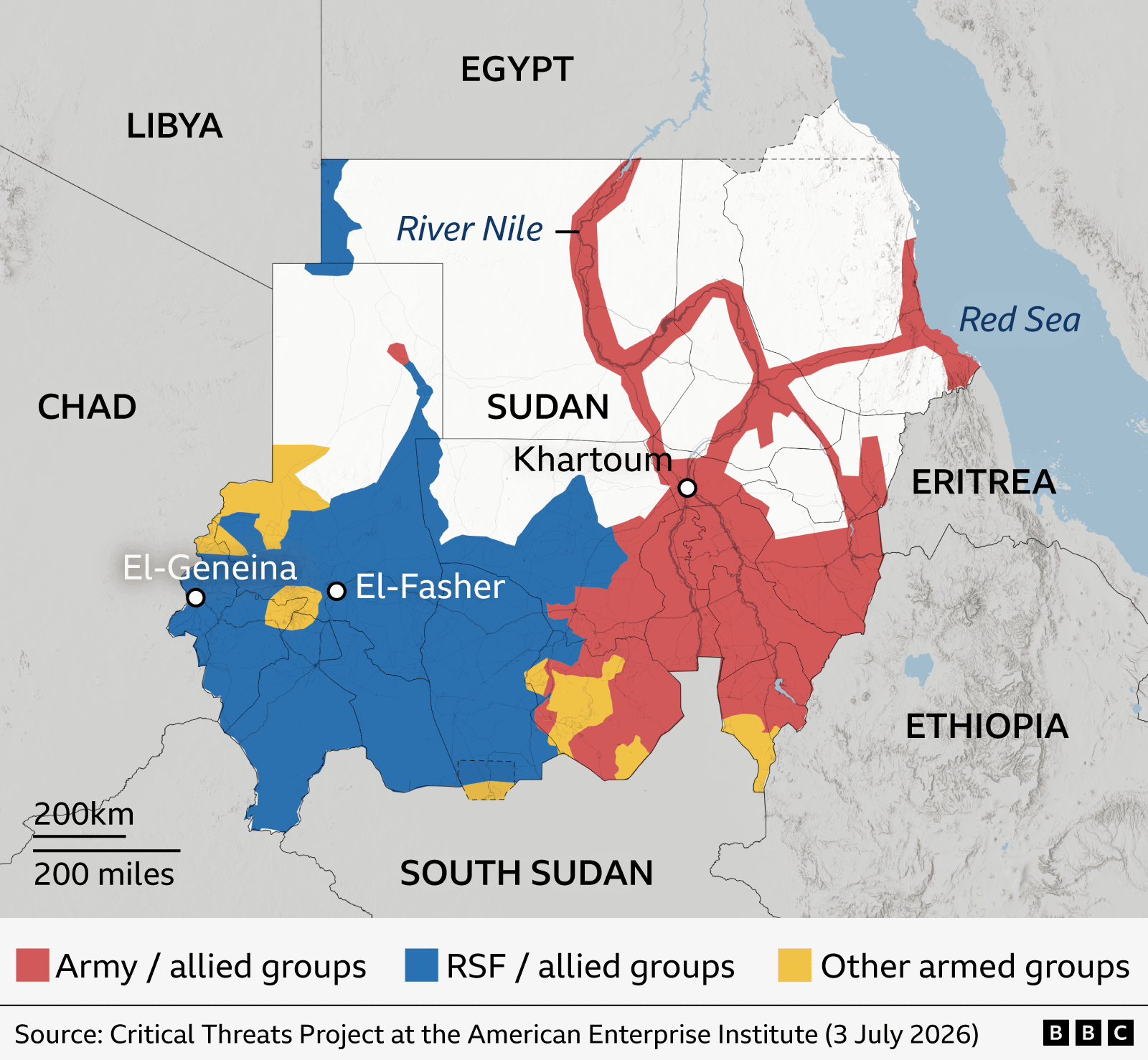
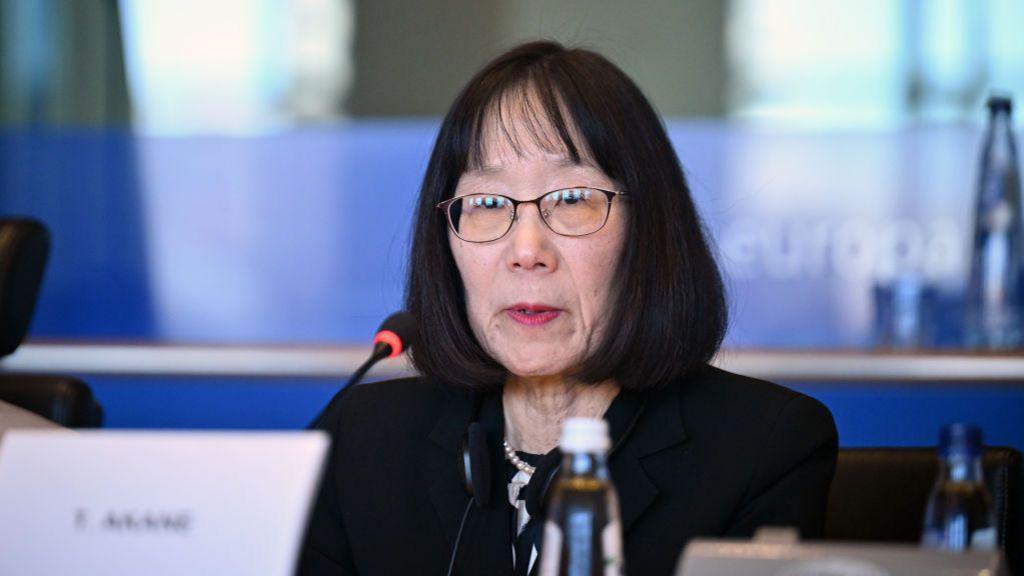
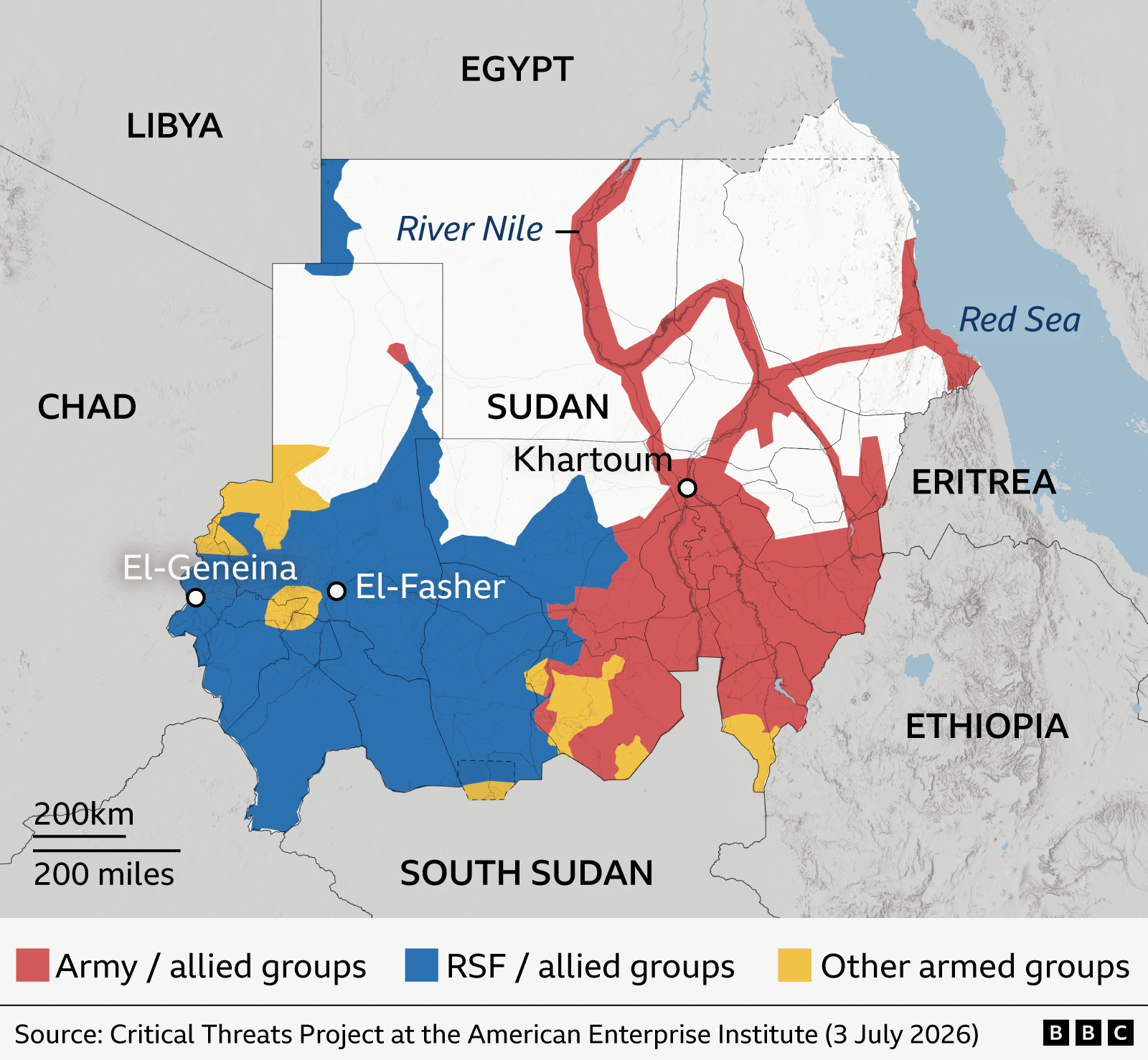
The International Criminal Court (ICC) announced today that its investigation into the conflict in Sudan’s Darfur region has reached a pivotal point, uncovering concrete evidence that directly connects leaders of the paramilitary Rapid Support Forces (RSF) to civilian massacres in the cities of el‑Fasher and el‑Geneina. Deputy chief prosecutor Nazhat Shameem Khan told the BBC that the evidence is “linkage evidence”—documents that tie on‑ground actions to specific individuals in leadership positions.
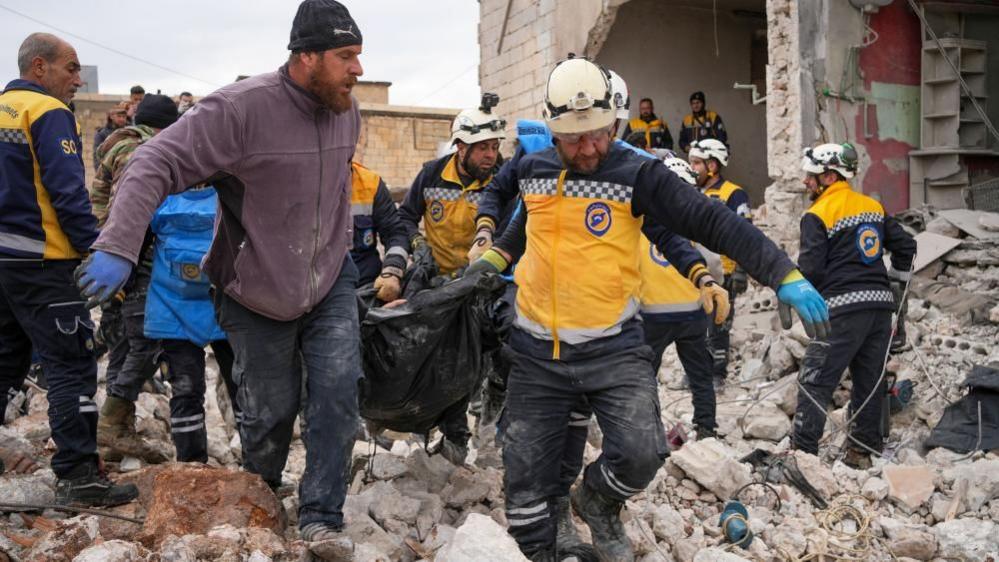
El‑Fasher, captured by the RSF in October 2023, was described by the United Nations as a site where “more than 6,000 people were killed” and where the violence displayed the hallmarks of genocide. The RSF’s seizure of the city remains one of the harrowing chapters in the army‑RSF civil war that began in April of that year.
While the ICC acknowledges that bringing charges to court will be a protracted process, the prosecutor emphasized that the breakthrough “shows that progress has been significant.” The court remains tasked with prosecuting genocide, crimes against humanity and war crimes under its jurisdiction for more than 20 years of conflict in the region, including previous cases that led to arrests of former Sudanese leaders such as Omar al‑Bashir.
The evidence compiled by the ICC comes from a mixture of sources—witness statements, video footage, photographs and forensic analyses. A visit to refugee camps in eastern Chad reinforced the gravity of the atrocities, with survivors describing looted villages and mass graves.
RSF officials have repeatedly denied widespread killings and claimed that the incidents were exaggerated, though they have acknowledged some violations occurred during the assault. RSF leader Gen Mohamed Hamdan Dagalo said the group was investigating any atrocities, a probe that is still underway.
This development underscores the need for international accountability mechanisms in conflict zones, reminding the global community of the persistent relevance of justice in the face of humanitarian crises. It also highlights the broader implications of armed conflict for environmental stability, as the ongoing warfare threatens to exacerbate resource scarcity, disrupt ecological corridors and deepen the climate‑impact footprint across the region.
For more on the situation in Sudan: Visit the BBC Africa website or follow BBCAfrica.com for comprehensive coverage.