In brief
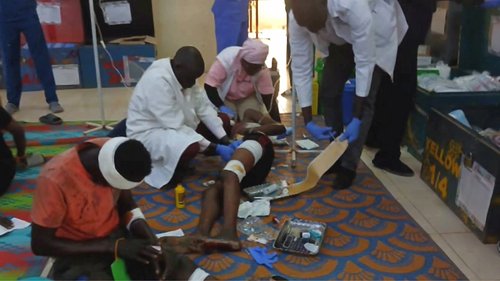
Iran‑backed Houthi rebels launched three ballistic missiles at a security forces training camp in Shabwa, killing more than 50 recruits and injuring more than 200. Shabwa authorities confirmed the strike as one of the worst since the October escalation. The Yemeni government has called the attack a war crime and criticised the Houthis for targeting a non‑military facility. Hospitals are overwhelmed and the wounded are being transferred to neighbouring provinces, underscoring the humanitarian toll of the ongoing civil war. The conflict also threatens Yemen’s fragile environment, with damaged infrastructure hindering emergency responses and clean water access for displaced communities.
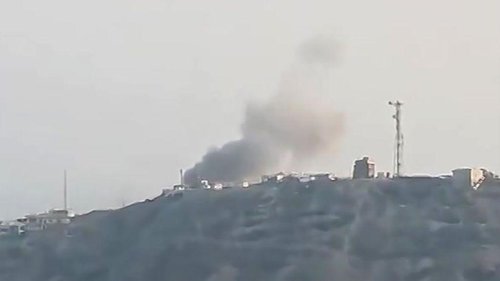
A Houthi missile attack on a security forces training centre in Shabwa province killed more than fifty recruits and wounded over two hundred, according to local authorities. The strike is one of the deadliest incidents since the conflict escalated with a new Saudi‑backed offensive in early October.
Shabwa media officials said that ballistic missiles struck the Martyr Ahmed al‑Sulaimani Training Centre near Ataq. The camp was used for training recruits from several provinces for Yemen’s internal security forces. Preliminary figures show 53 deaths and more than 200 injuries.
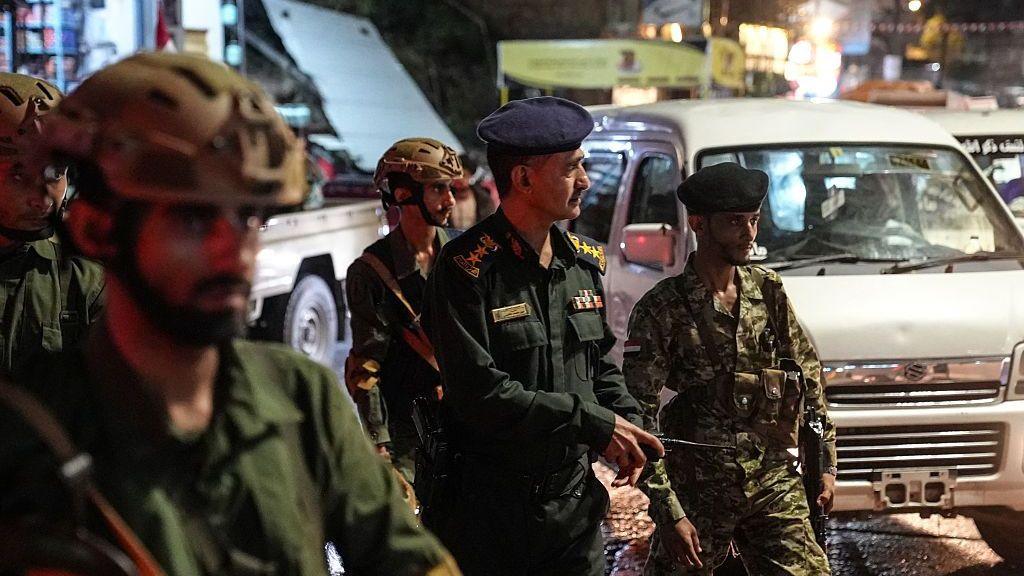
The Yemeni government has declared the attack a war crime because the camp was not a military target. President Rashad al‑Alimi condemned the “criminal attack” and pledged a firm response. Information Minister Moammar al‑Eryani accused the Houthis of attempting to fabricate a false media victory and cover up defeats at different frontiers.
Houthi spokesperson Yahya Sarea rejected the allegations, saying the missiles hit a gathering of Saudi‑led forces at al‑Alam camp, run by Saudi officers. There has been no immediate comment from Saudi authorities.
Hospitals in Shabwa are overwhelmed, with the most critically wounded being transferred to neighbouring Hadramout and Aden. The broader conflict has already caused over a thousand casualties since early August, according to Yemen’s health ministry.
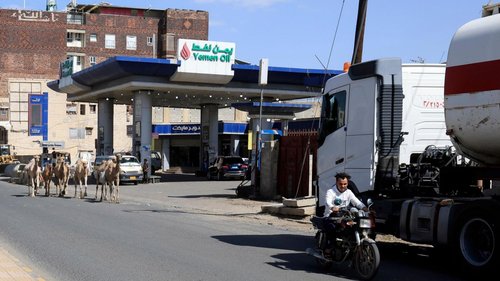
The ongoing fighting and military campaigns have further strained Yemen’s fragile environment. Damaged infrastructure and disrupted supply chains hinder emergency responses and clean water access, increasing the vulnerability of displaced communities to climate‑driven risks.