In brief
The US‑Iran memorandum of understanding has collapsed over the control of the Strait of Hormuz, a key shipping route for global oil, which Iran now demands to keep as a bargaining tool. The new deal left ambiguous language on safe passage, leading to divergent interpretations: Tehran sees it as giving it over the strait, Washington as a free‑pass guarantee. Iran’s recent attacks on shipping near Oman show its willingness to use the strait as leverage, while neighbouring states and the US warn against further concessions. Amid escalating tensions and a stalled negotiation framework, the route risks becoming a flashpoint for wider conflict, undermining regional energy security and the broader diplomatic breakthrough.
The Strait of Hormuz—A Rising Faultline
Since the US and Iran signed a tentative deal last month the fragile ‘no war, no peace’ situation has tipped toward war.
The truce, driven by Arab and Pakistani mediators, still hinges on a single point in the agreement that covers the strategic Strait of Hormuz. Iran claims the clause overcomes any restriction, while Washington insists it guarantees free passage for commercial vessels.
With Tehran’s lead negotiator, Mohammad Bagher Ghalibaf, publicly stating the Strait is a ‘big bright red line’, the corridor has become Iran’s bargaining chip, as the country refuses any concessions on control.
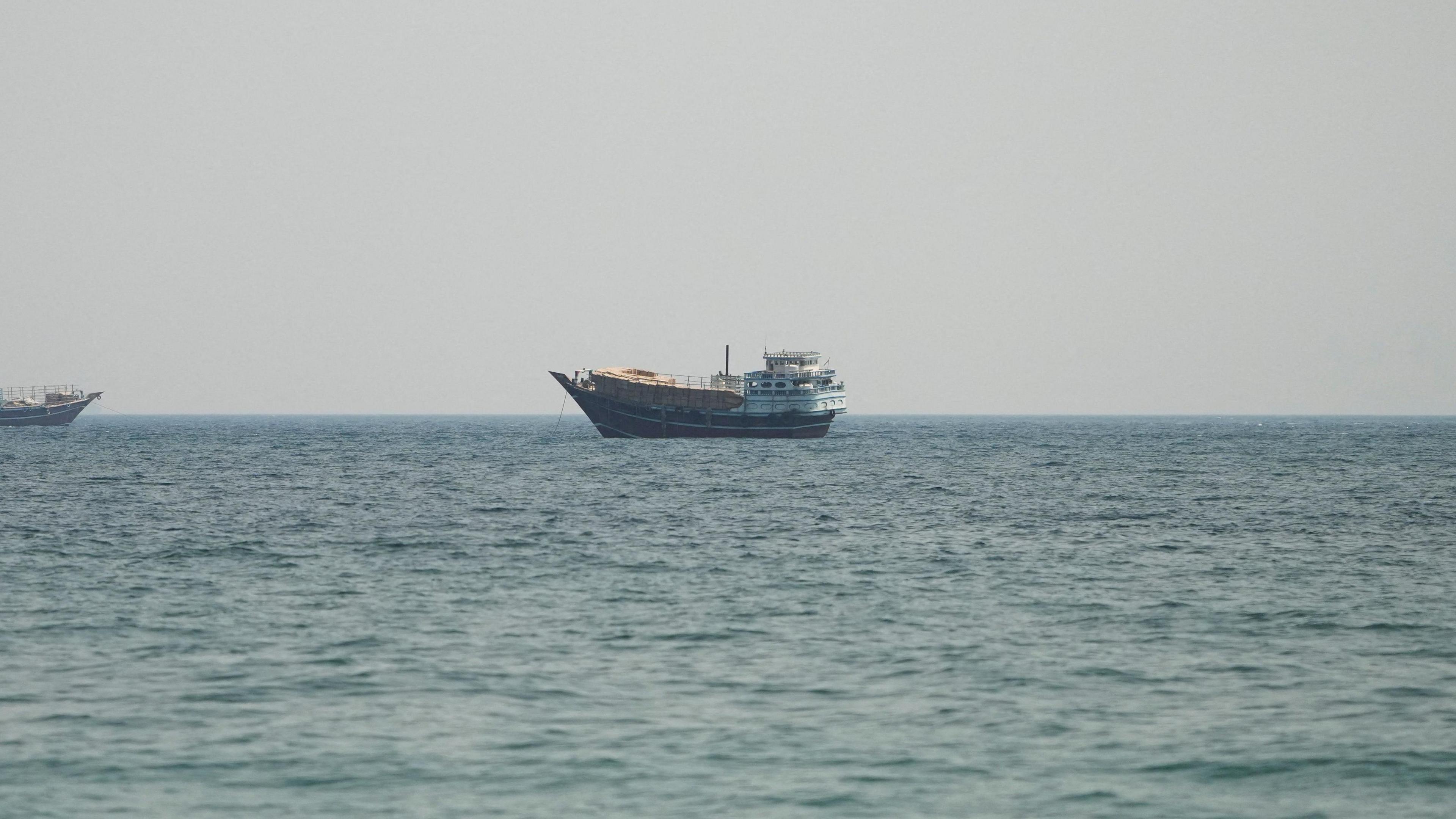
Iran’s recent attacks on three vessels, including a Qatari‑flagged LNG tanker near Oman's coast, demonstrate the regime’s willingness to use the strait for leverage and retaliation.
The new Iranian parliament bill, ‘Strategic Action for the Security and Sustainable Progress of the Strait of Hormuz’, solidifies Tehran’s stance that the waterway remains its inalienable right, with officials declaring ‘never’ as a response to bargaining inquiries.
This stance strains relations with regional neighbors such as Qatar and the Sultanate of Oman, who fear a tipping point that could spark a wider conflict among Gulf states.
Analysts note the lack of clarity in the memorandum creates a stalemate: within the next 60 days a realistic path to agreement appears doubtful, leaving both sides to weigh the costs of a protracted battle and the risk of further isolation in the international arena.
The core issue—the shape of Iran’s nuclear programme—remains sidelined, focus remains on the strait, yet the high stakes of the waterway could dominate the future of regional stability and the global energy market.