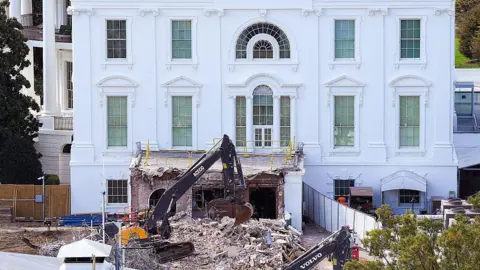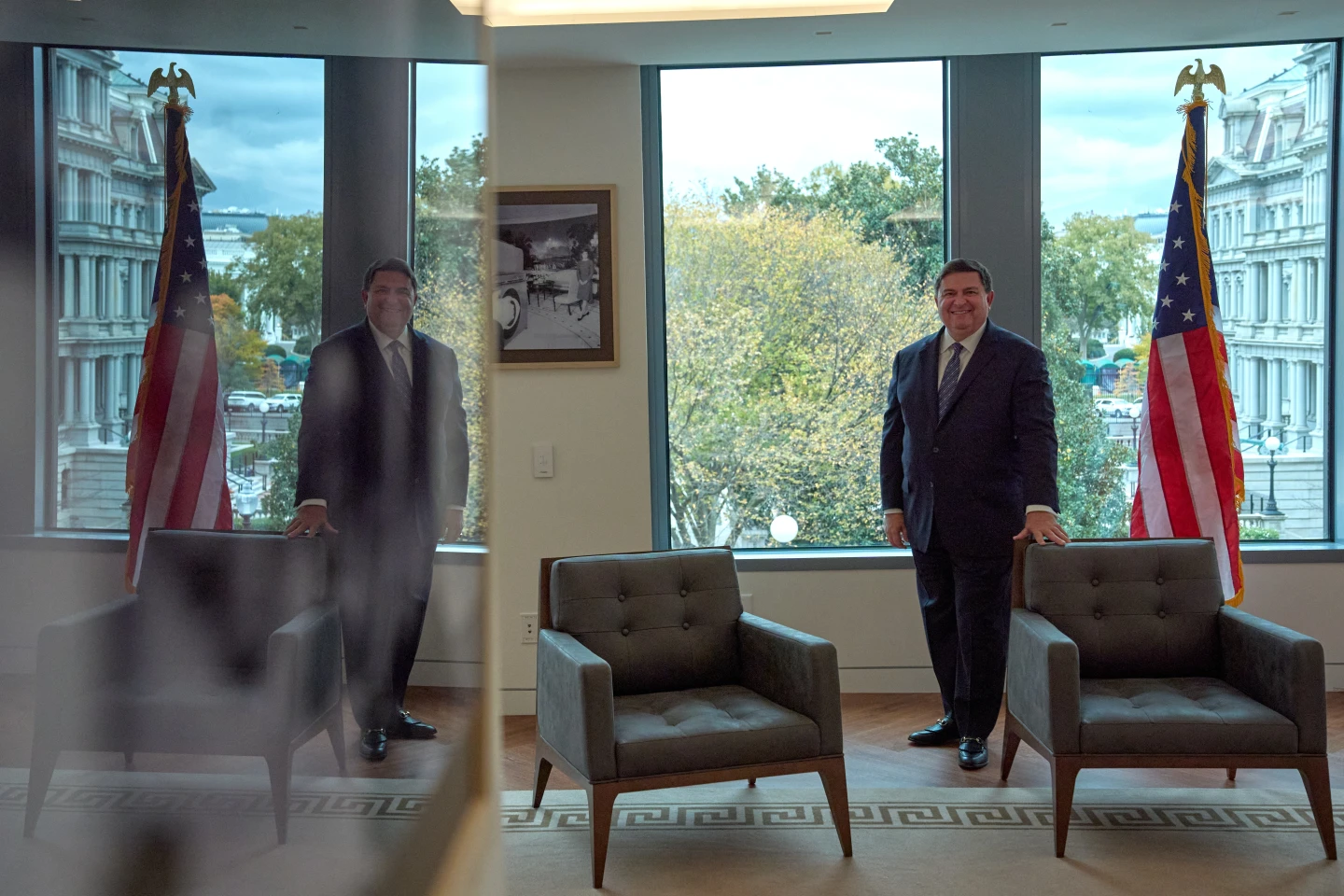
WASHINGTON – The historic East Wing of the White House has been demolished, with President Donald Trump pushing the agenda for a new ballroom to enhance the building's entertainment capacity. Stewart McLaurin, president of the White House Historical Association, expressed mixed feelings after seeing images of backhoes tearing into the structure he regards as significant.
McLaurin emphasized, What has happened since then is amazing; more people are discussing White House history now than before, focusing on what makes this building special. He noted that the changes have sparked a nationwide conversation about the East and West Wings, drawing in citizens keen to learn more about the illustrious past of the White House.
Significant Changes and Public Reaction
The demolition work, which became public on October 20, aimed to clear the East Wing, traditionally the first ladies' base of operations. Democrats and preservationists reacted strongly against the abrupt transformation, with many concerned about the loss of historical elements.
Trump's vision for a 90,000-square-foot ballroom—almost twice the size of the White House itself—remains ambitious despite lacking approval from the National Capital Planning Commission. Plans are still under review as the government is currently shut down.
Preserving History Amidst Change
Experts note that the White House has undergone various renovations over the centuries, adapting to the needs of its occupants. McLaurin pointed out that while modernizations are necessary, it’s crucial how such changes are managed to maintain the site's integrity. The White House Historical Association, founded by Jacqueline Kennedy, is focused on preserving the facility’s historical essence without participating in construction decisions.
Recent spikes in attendance at their educational center, The People’s House: A White House Experience, signify heightened public curiosity regarding the White House's historical narrative as a direct result of these changes. McLaurin states the center saw elevated visitor numbers, suggesting an increasing public desire to connect with the White House's rich history amidst its ongoing transformation.