In brief
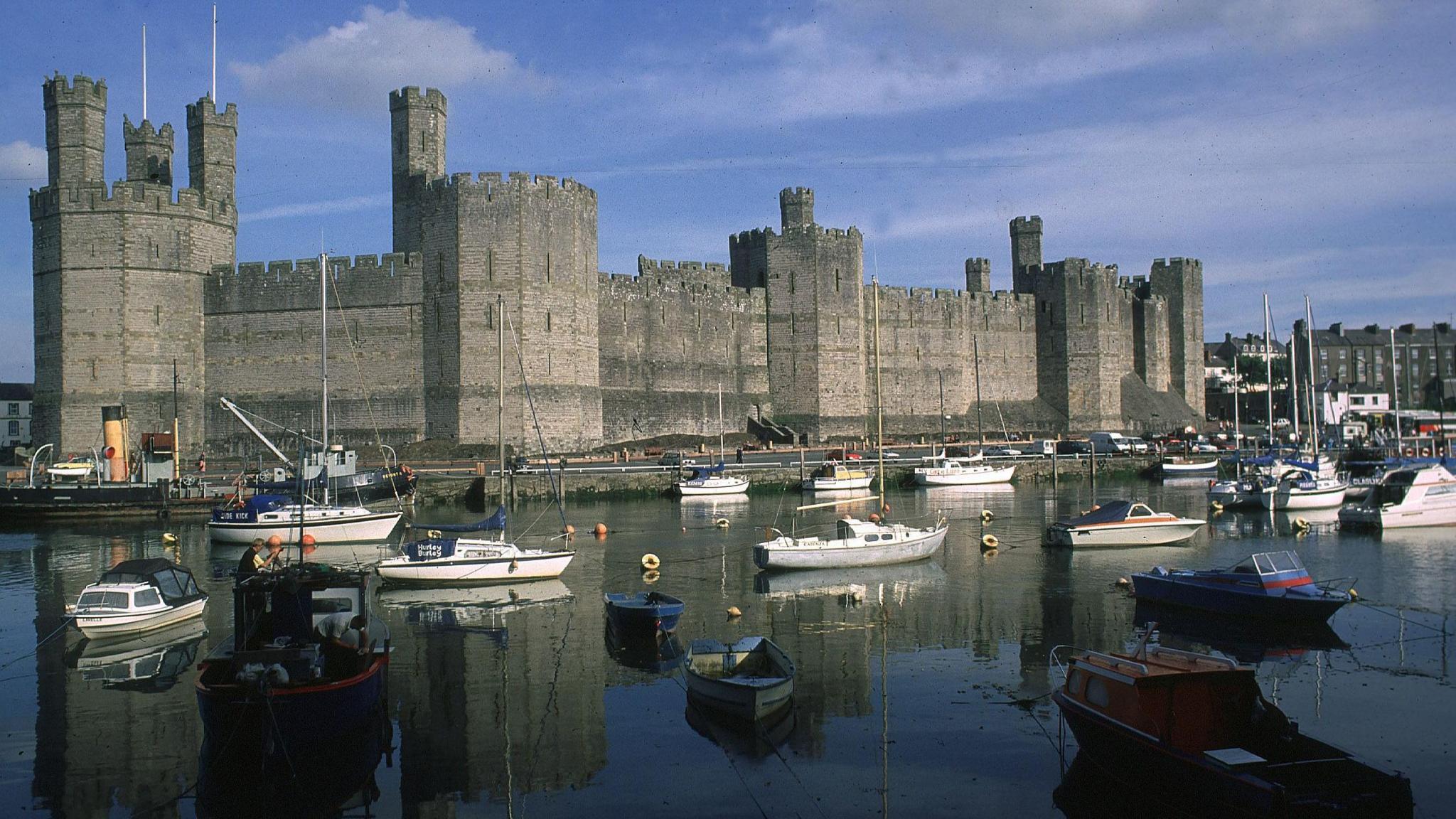
Caernarfon Castle, a UNESCO World Heritage site, stands as a testament to centuries of resilience against climate change. Recent reflections by US Vice‑President JD Vance underscore an appreciation for the scale of time that static structures reveal. By studying the castle’s architecture—its stone walls, passive cooling features, and durable construction—modern designers can draw inspiration for climate‑resilient buildings. Heritage tourism, like visits to Caernarfon, fuels local economies while educating citizens on the importance of preserving cultural landmarks that have weathered historic weather events. Integrating heritage conservation into climate strategies presents a dual benefit: safeguarding cultural identity and supporting sustainable development pathways.
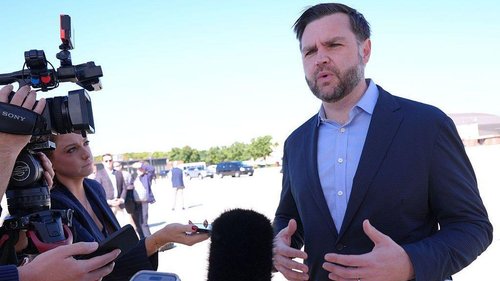
When former U.S. Vice‑President JD Vance visited Caernarfon Castle in 2013, he was struck by its timeless grandeur. In a recent book, he described the 13th‑century fortress as “the coolest thing I’ve ever seen,” highlighting the awe it inspires even a modern political figure. Though the remark was couched in personal admiration, it opens an unexpected window onto how ancient buildings endure climate stresses and thus offer enduring lessons for climate‑resilient design.
Stone Walls as Climate‑Resilient Architecture
Caernarfon’s massive stone walls were constructed approximately 800 years ago, and they remain largely unchanged. This longevity is owed to a combination of durable local stone, careful masonry, and passive thermal regulation that dissipated heat without modern HVAC systems. In contemporary terms, the castle demonstrates that low‑carbon construction can survive generational shifts in climate patterns, a promise that appeals to architects designing low‑energy buildings today.
The Scale of Time and Environmental Education
Vance noted that the castle’s age made him feel “small in an infinite universe,” a sentiment that echoes the mindset we need for climate policy: acknowledge long‑term temporal horizons. When policymakers and citizens walk through historic sites, they are more likely to reflect on the next centuries, not just the next decade or a year, and thus make decisions with a climate‑forward lens.
Heritage Tourism and Sustainable Local Economies
The castle also serves as a hub for off‑beat tourism. Visiting such heritage sites can increase local spending in a way that supports small businesses, creates jobs, and rates eco‑friendly growth. Heritage tourism can pair cultural preservation with green strategies—such as promoting biodiversity in surrounding lands, adopting renewable energy in visitor centres, and incorporating educational exhibits, thereby multidisciplinary contributions to climate resilience.
Integrating Heritage into Climate Planning
Cities, states, and nations can adopt a dual strategy: protect historic landmarks like Caernarfon and transform them into tangible exemplars for sustainable infrastructure. Partnerships between architects, conservationists and climate scientists can repurpose these sites as demonstration projects for passive cooling, green roofs, and community gathering spaces designed to mitigate climate impacts locally.
JD Vance’s experience reminds us that seeing the past—through the lens of heritage sites—is a powerful catalyst for shaping a resilient environment. By learning from the castle’s enduring architecture and inviting public engagement, we ask: how might we design tomorrow’s buildings and towns to echo this ancestral longevity?