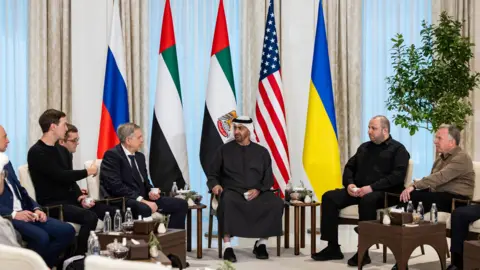
Negotiators from Russia, Ukraine and the US have been meeting in Abu Dhabi for their first trilateral talks since Russia's full-scale invasion of Ukraine in 2022.
However, while the talks take on a new format, the core differences remain the same. The stakes are high, but expectations are limited.
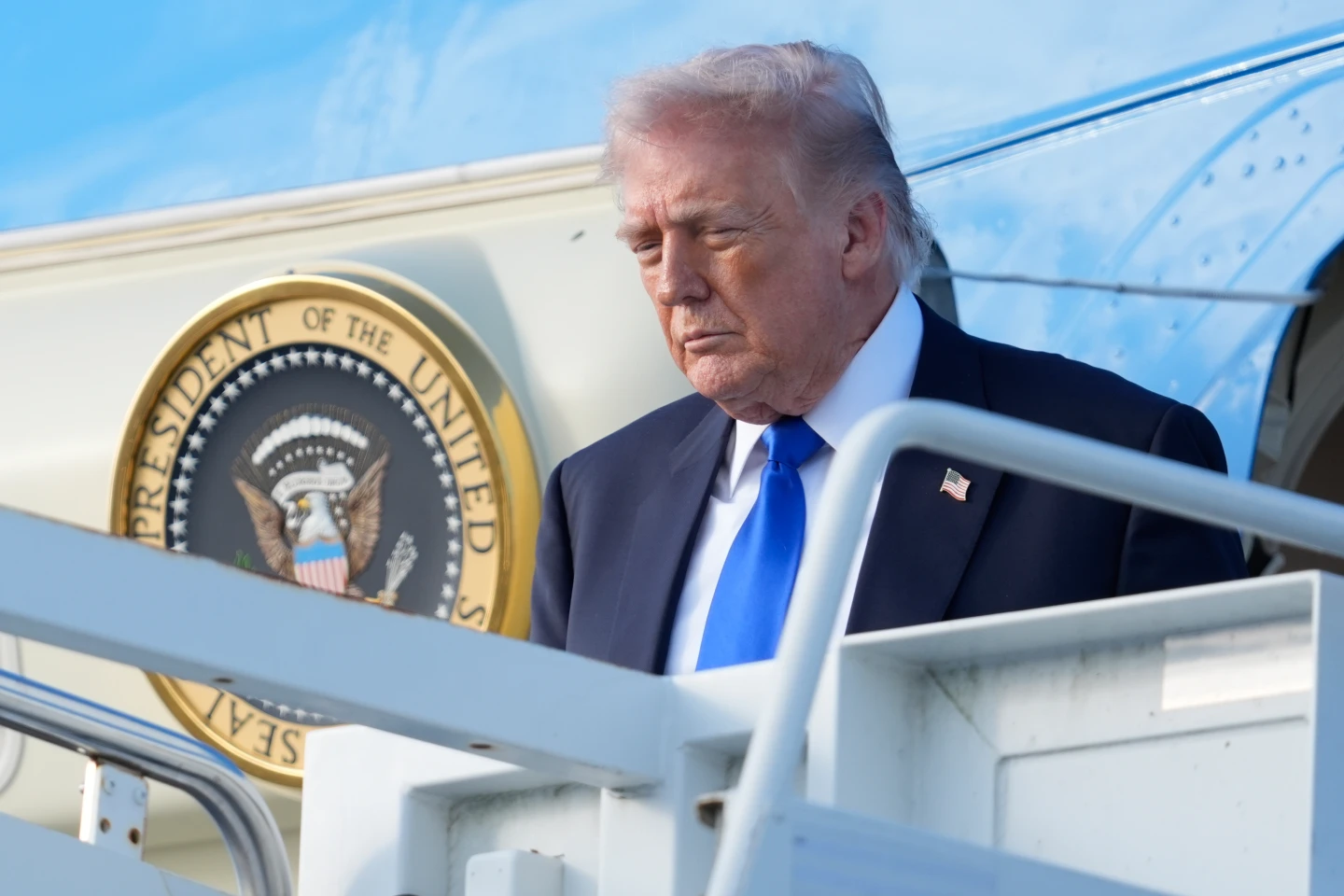
Donald Trump has been pushing hard for a peace deal in Ukraine – one he promised but has yet to deliver. He stated this week that both sides would be 'stupid' if they couldn't reach an agreement.
Despite some intense shuttle diplomacy by his envoys, the trilateral discussions are taking place with several major issues still unresolved. Ukraine is participating because it seeks peace more than anyone but also to maintain US support, a lesson learned the hard way after Trump's temporary suspension of intelligence sharing and military aid last year.
Ukraine's President Volodymyr Zelensky expressed positive sentiments after his talks with Trump at the World Economic Forum in Davos, hoping for increased air defense support against Russian attacks. Yet, he remains cautious regarding the outcomes in the UAE. While describing the discussions as a step towards peace, he refrained from labeling these talks as definitively positive.
Zelensky has indicated that a framework deal for peace is nearly complete, but he acknowledges that the remaining obstacles—especially concerning the Eastern Donbas region—could derail any progress.
Russia continues to demand that Ukraine cede significant territory in Donbas, which Ukrainian forces have struggled to reclaim. The conflict's casualty numbers hang heavy in conversations about sovereignty and territorial integrity.
Additionally, Zelensky is looking for guarantees concerning US military support against potential future invasions by Russia. He claims a deal is in place, but details remain scant, and whether it can be relied upon during a future crisis is uncertain.
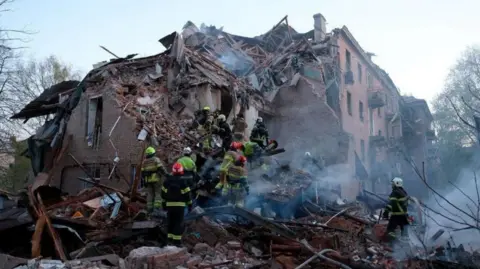
Compounding the uncertainty is Russia's insistence that it can achieve its goals through military means, leaving civilians exposed to continued strikes as winter sets in across Ukraine. Amidst this backdrop, Moscow's strategy appears increasingly focused on civilian infrastructure, a tactic that further complicates prospects for a peaceful resolution.