In brief
In a poignant tribute to the courageous nurses of World War II, a coalition is campaigning for the Congressional Gold Medal to honor their sacrifices. During the war, nurses like Alice Darrow faced life-threatening situations while providing critical care to soldiers. With few of these trailblazers remaining, efforts are being made to ensure their bravery is recognized. Senators Baldwin and Stefanik are at the forefront of this initiative, pushing legislation that, while facing hurdles, aims to bring long-deserved recognition to these unsung heroes.
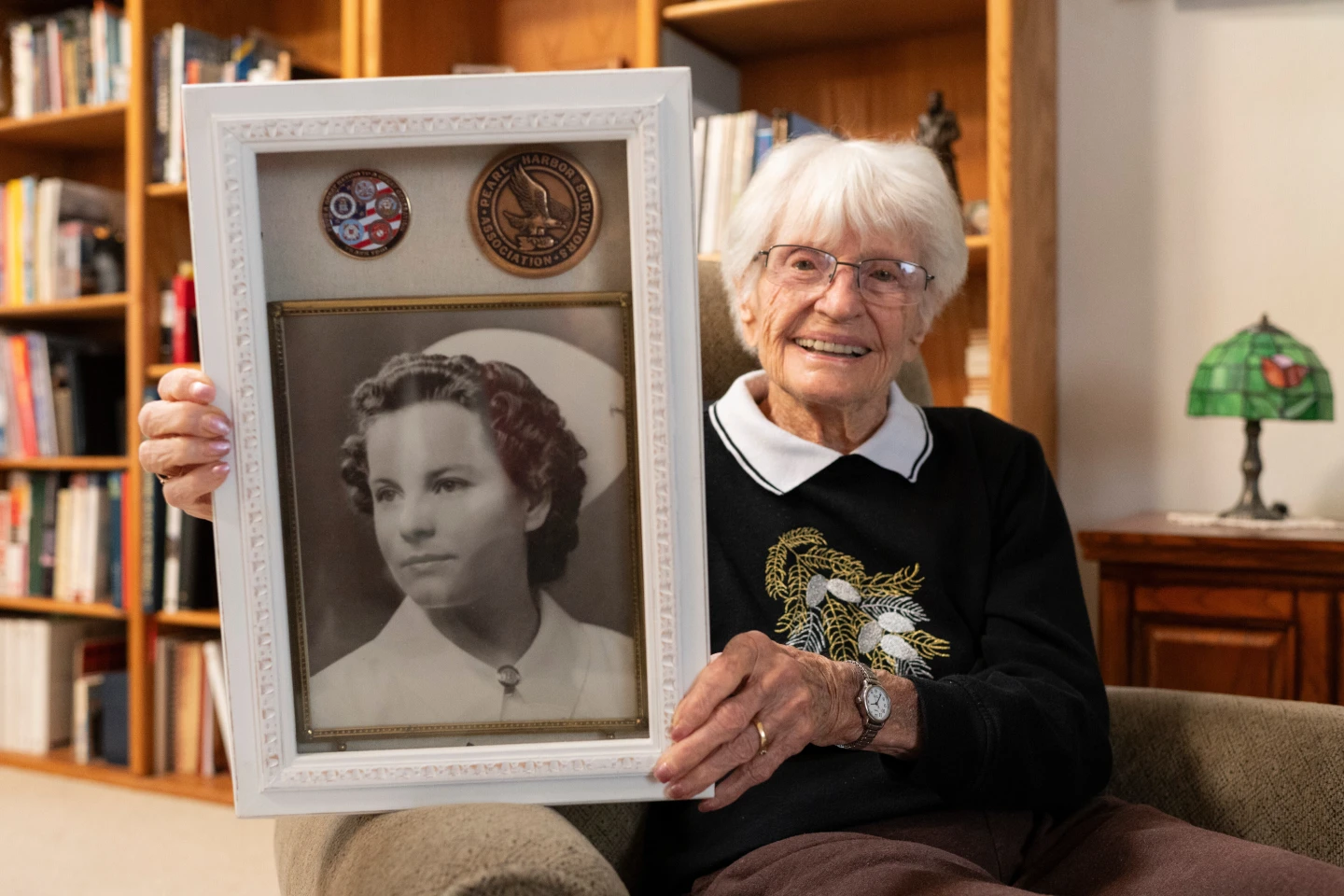
DANVILLE, Calif. — At the remarkable age of 106, Alice Darrow recounts her experience as a nurse during World War II, part of an extraordinary group of medical professionals who faced danger on the battlefield to care for the wounded.
In the midst of bullets and chaos, these courageous women fought for the health of their ranks while battling against the stigma of being unrecognized. As history marks 80 years since the war's end, a coalition of retired military nurses is advocating for the Congressional Gold Medal to be awarded to all nurses who served during World War II, a tribute similar to those received by the Women Airforce Service Pilots of WWII.
Only a few of these war heroes are still alive today, including Elsie Chin Yuen Seetoo, the first Chinese American nurse to join the Army Nurse Corps, highlighting a concern that time is running out.
“It’s high time we honor the nurses who stepped up and did their part to defend our freedom,” stated U.S. Senator Tammy Baldwin. The proposed legislation currently faces an uphill battle, requiring substantial support in both chambers of Congress.
Unsung Heroes
Before the war, the U.S. military had fewer than 600 nurses; by its conclusion, that number surged to over 73,000 across both Army and Navy branches. The Congressional bills illustrate their relentless bravery, including serving on hospital ships under enemy fire and wading ashore amid sniper fire to launch care for troops.
Despite facing extreme circumstances, these nurses saved countless lives. Reports suggest a mere 4% mortality rate among soldiers in their care — a testament to their skill and dedication.
Many faced unimaginable challenges, including imprisonment, as was the case for nearly 80 nurses captured in the Philippines during the war. Their resilience and commitment to their patients underscore the critical role of nurses during wartime, yet their achievements have largely gone unrecognized.
Challenges and Triumphs
In addition to overcoming the physical dangers of war, nurses of color faced systemic barriers. For instance, during the war, Black nurses and others from minority groups struggled for inclusion in military service.
Amidst the narrative of trial, we find inspiring stories, such as that of Elsie Chin Yuen Seetoo who carved out a place for herself amid discrimination to serve actively in war zones. Now, she honors her past while standing as a symbol of resilience and change.
The collective push for recognition is not just about medals but about acknowledging the vital contributions these individuals made to the medical field and society. As Alice Darrow shared her story from her home in Danville, she expressed hope for this honor: “It would be an honor,” she said, displaying the same steadfast spirit that embodies the legacy of nurses throughout history.