Heat, Humidity and Neglect: 33 Prisoners Died in a Nigerian Cell
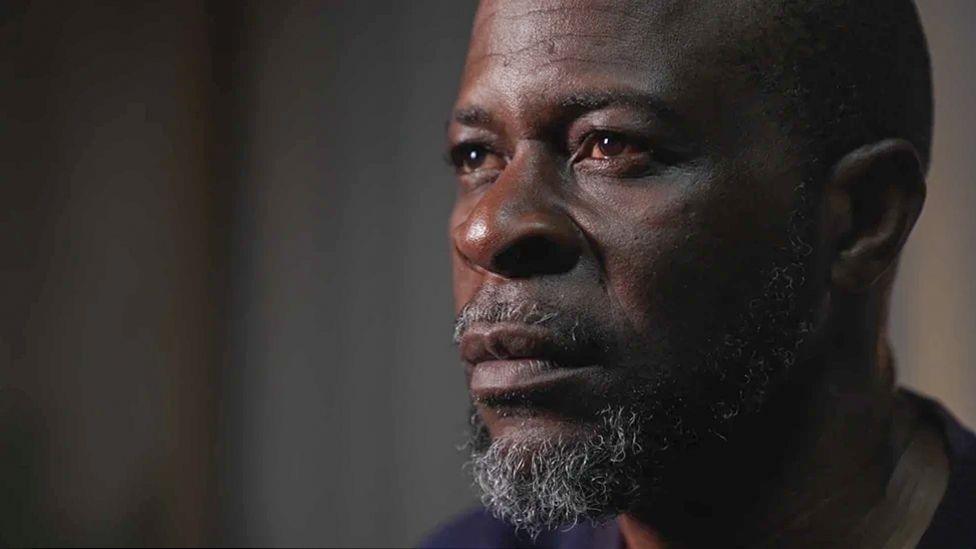
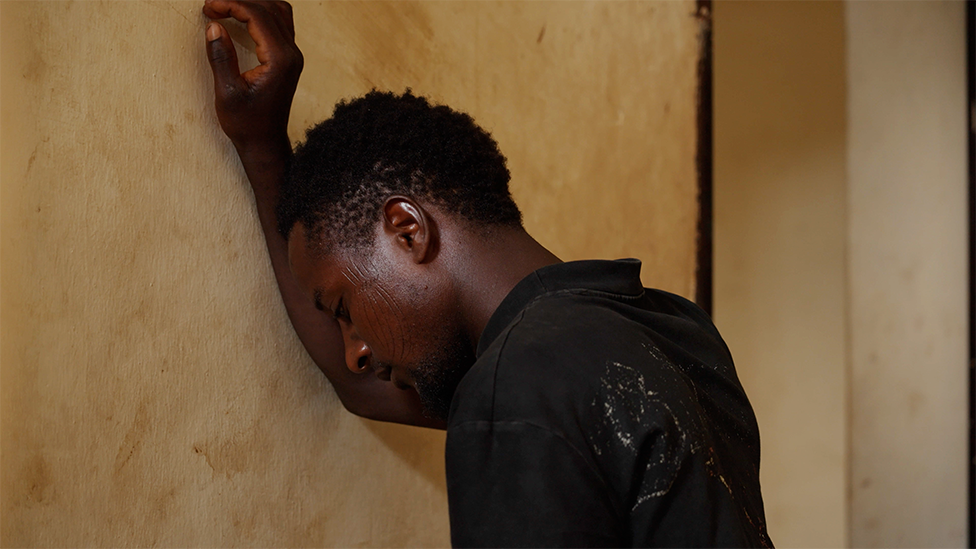
Usman Muhammad leaned his forehead against the wall of a cramped prison cell, unable to speak. The cell, 6 meters long by 3 meters wide, held more than 50 inmates and became a micro‑oasis of suffocating heat.
Thirty‑three of Muhammad’s cellmates died inside the cell; four others died later in hospital. Their deaths prompted a wave of protests across Minna, with residents and relatives demanding answers and accountability.
Officials initially blamed a diphtheria outbreak, but investigators are now looking into the conditions that caused the killings. “I have never felt heat like that in my life. When we touched each other, it felt like fire burning,” Muhammad said after being freed.

Humidity inside the cell reached over 90%, a level that hinders sweat from evaporating and cools the body. Even the minimal ventilation from a small high‑up window could not mitigate the rising temperature of over 25°C outside.
“One of us fainted and we started knocking at the door. When a guard came we asked for water; he looked at the fainted man and closed the door. That’s how the deaths began one after the other,” Muhammad recounted.
Muhammad, a young artisanal miner, was detained for alleged illegal mining activities. The federal government cites these operations as economically damaging, environmentally destructive, and linked to wider criminal activity.
In response, the Nigerian Security and Civil Defence Corps (NSCDC) arrested a large group of miners near Minna in early September, but has not disclosed those detained or the numbers involved.
Survivor Adamu Isah told Reuters that they shouted for help and tried to break the door when guards refused to open it. “We tried to break down the door when the officer refused to open it… At one point, a security officer came to the door,” he reported.
After the cell was finally opened, the guards saw the bodies of the deceased. The NSCDC has yet to directly respond to allegations of neglect but already detained 24 of its personnel, including the suspended Niger state commandant Suberu Aniviye.
Niger state Governor Umaru Bago declared, “The people who were killed are not flies. How can this go unlooked?” He welcomed the investigation ordered by the federal government and promised to pursue justice.
A committee of ten has been set up with a two‑week deadline to establish causes, identify responsible parties, and recommend legal action. Interior Minister Olubunmi Tunji‑Ojo stated that no officer would be protected and obstruction would be treated seriously.
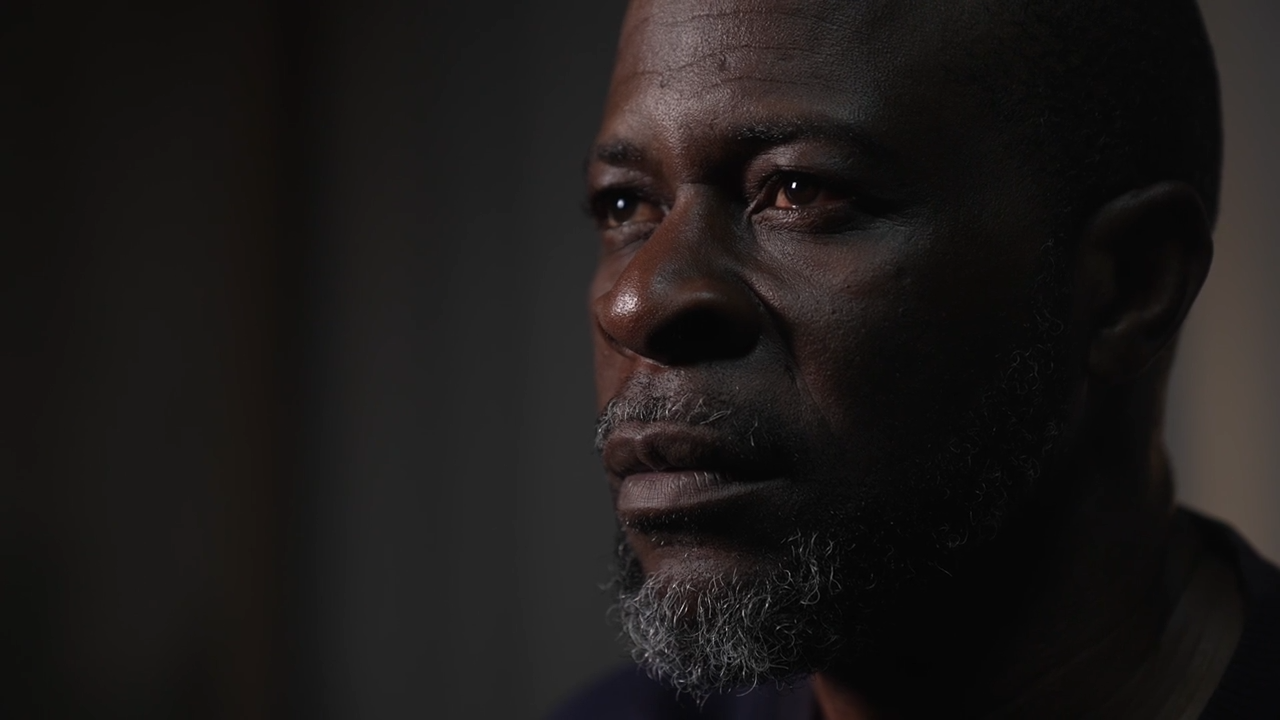
Muhammad hopes that by speaking out, the tragedy will bring closure and establish accountability for negligence in Nigerian prison facilities.