In brief
Guinea has prohibited the export of unrefined gold, pushing the nation toward domestic refining, a move aimed at spurring local industry and reducing the carbon footprint of gold processing. President Mamadi Doumbouya unveiled the policy after meeting with local miners, citing economic and environmental benefits. The nation, Africa’s sixth largest gold producer, will route its 22‑tonne quarterly output to a new refinery in Conakry with a 250‑t capacity. The ban aligns with similar steps by Tanzania, Uganda, Ghana, and Zimbabwe, reflecting a regional trend toward value‑added production and climate‑friendly practices.
Guinea bans raw gold exports
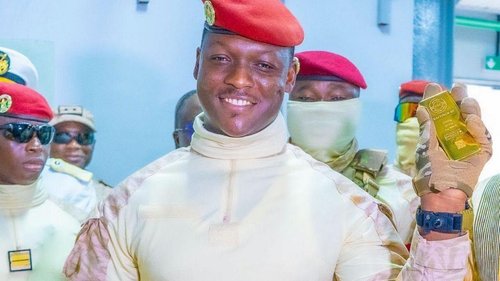
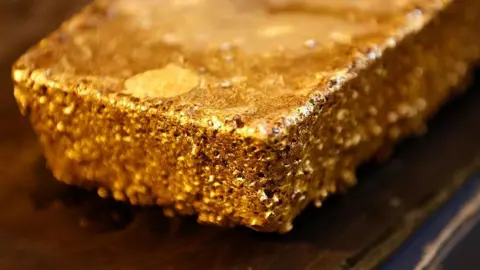
In a decisive move for sustainability, Guinea has outlawed the export of unrefined gold, keeping the precious metal within its own borders for processing. The regulation, now effective immediately, follows a meeting between President Mamadi Doumbouya and local artisanal miners.
"Guinea will now require its gold to be processed within its own borders. Raw gold will no longer leave Guinea," the president announced, citing the economic and environmental gains of domestic refining. By turning raw ore into finished products locally, the country hopes to create jobs and reduce the carbon emissions associated with long‑distance shipping and overseas smelting.
Guinea is Africa’s sixth largest gold producer, sending more than 22 tonnes of the metal in the first quarter of this year. A new refinery in Conakry, with a 250‑tonne annual capacity, is poised to take in the nation’s gold shipments before export. The move mirrors similar policies in Tanzania and Uganda, where the export of unprocessed minerals has been banned, and Ghana’s upcoming 2030 ban on raw gold. Zimbabwe, the continent’s top lithium producer, has already restricted concentrate exports to boost battery‑material processing at home.
Foreign mining firms operating in Guinea now face revised licensing conditions, with violations risking contract termination. This shift toward value addition aligns with the broader African agenda of enhancing industrial capacity while addressing environmental concerns linked to mining.
The policy also positions Guinea to leverage its large bauxite reserves—used in aluminium production—by building up domestic refining infrastructure. By reducing raw material exports, the country can better manage environmental impacts such as tailings waste and the energy demand of smelting.
For more on Guinea’s mining developments, visit World Gold Council.