Guinea‑Bissau’s Referendum Grants Presidents New Powers Amid Coup Fallout

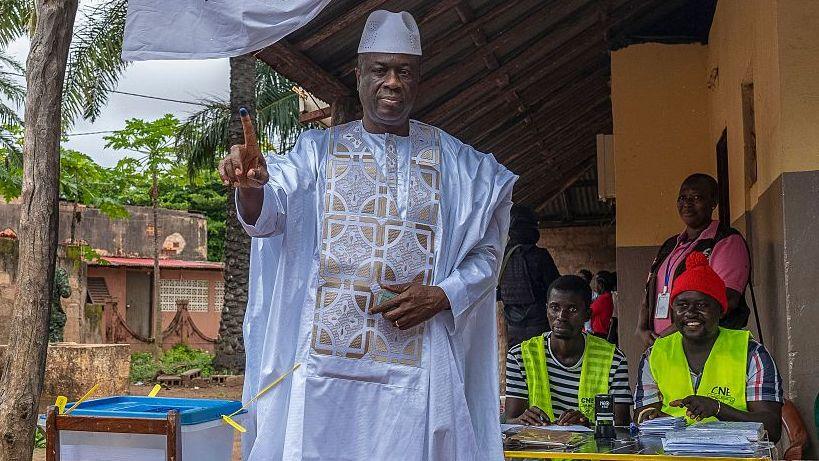
Voters in Guinea‑Bissau approved a new constitution that significantly expands presidential powers ahead of a general election later this year.
The referendum was organized by the military government that seized power in November 2025 following a disputed election. 70 per cent of provisional results showed approval, while 30 per cent opposed, and turnout was about 60 per cent.
Key constitutional changes
The new charter gives the president the authority to appoint and dismiss the prime minister and cabinet, create or abolish ministries, and dissolve parliament in a “grave political crisis.” The constitution also cuts parliamentary seats from 102 to 65 and electorate constituencies from 29 to 12. Eligibility for presidential candidates now requires continuous residence in Guinea‑Bissau for the five years before an election.
Political fallout
The main opposition party, the African Party for the Independence of Guinea and Cape Verde (PAIGC), boycotted the vote, citing inadequate safeguards and warning the constitution could concentrate too much power in the presidency. PAIGC leader Domingos Simões Pereira accused the junta of undermining democracy, calling them “emperors” in the words of regional analyst Paul Ejime.
Context of instability
Guinea‑Bissau has endured at least nine coups since 1974 and has been labeled a “narco‑state” by the UN, with its uninhabited islands attracting drug traffickers. The September referendum follows a November 2025 military seizure amid a contested presidential race between incumbent Umaro Sissoco Embaló and opposition candidate Fernando Dias.
Looking ahead
Upcoming December elections will test whether the military junta honors its pledge to return to civilian rule. Critics warn that the expanded presidential powers could reshape Guinea‑Bissau’s fragile political system, raising concerns about democracy and regional stability.