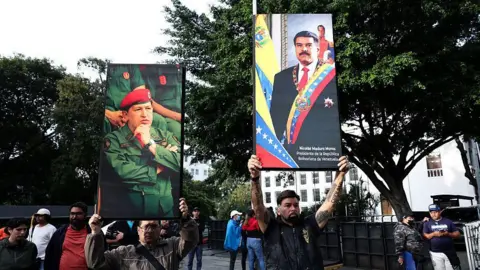
Leaders around the world have responded with a mix of condemnation and support to the U.S. capture of Venezuela's President Nicolás Maduro.
Following a large-scale strike on Venezuela on Saturday, Maduro and his wife were captured by U.S. forces and removed from the country. The pair have been indicted on drug charges in New York.
In an initial response, UK Prime Minister Keir Starmer said his government would 'shed no tears' for the end of Maduro's regime.
Neighbouring Latin American countries condemned the actions, as did Venezuela's long-term allies, Russia and China. China said it was 'deeply shocked and strongly condemns' the use of force against a sovereign country and its president.
Russia accused the U.S. of committing 'an act of armed aggression'.
Iran, which is locked in its own dispute with Trump over his promise of intervention in its country, called the strikes a 'flagrant violation of the country's national sovereignty'.
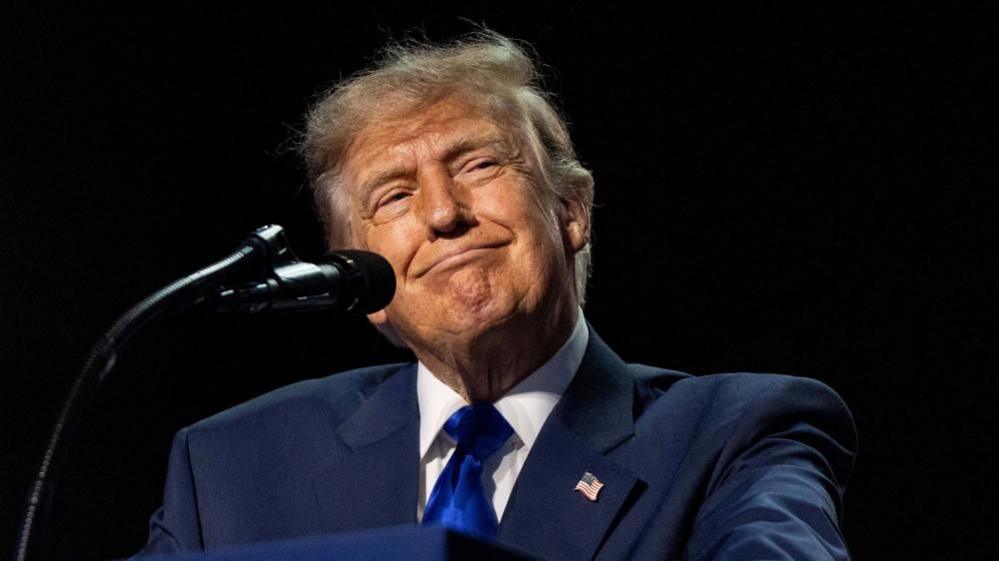
Trump said the U.S. will 'run' Venezuela 'until we can do a safe, proper and judicious transition.'
Many Latin American leaders condemned the U.S. actions. Brazil's President Luiz Inacio Lula Da Silva wrote on X that the actions 'cross an unacceptable line', adding that 'attacking countries in flagrant violation of international law is the first step toward a world of violence, chaos, and instability.'
Colombian President Gustavo Petro called the strikes an 'assault on the sovereignty' of Latin America, while Chile's President Gabriel Boric expressed 'concern and condemnation' and called for 'a peaceful solution to the serious crisis affecting the country.'
Cuban President Miguel Diaz-Cane accused the U.S. of a 'criminal attack', while Uruguay said in an official statement that it was monitoring developments 'with attention and serious concern' and 'rejects, as it always has, military intervention.'
The Venezuelan Interior Minister Diosdado Cabello urged citizens to remain calm and to trust the country's leadership and military, saying 'the world needs to speak out about this attack' according to news agency Reuters.
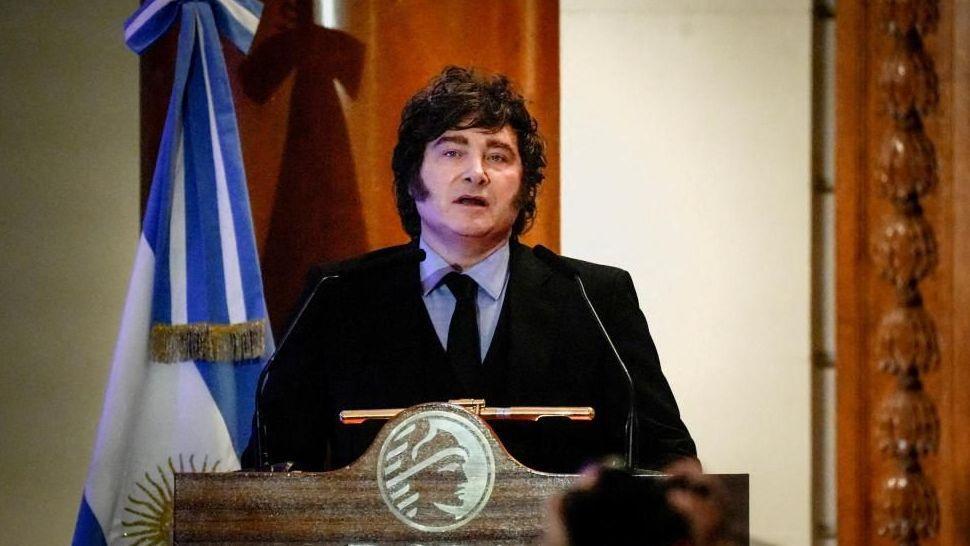
But Argentinian President Javier Milei – who Trump has described as his 'favourite president' – wrote 'freedom moves forward' and 'long live freedom' on social media.
Meanwhile, UK Prime Minister Sir Keir Starmer refused to be drawn into whether or not the military action may have broken international law.
He did not condemn the U.S. strikes in an interview with the BBC's Sunday with Laura Kuenssberg programme on Saturday morning.
He said he was waiting to establish all the facts but would not 'shy away from this', adding he was a 'lifelong advocate of international law'.
The UK was not involved in the strikes and Sir Keir said he had not spoken to Trump about the operation.
Later on Saturday, he posted on X that the UK 'regarded Maduro as an illegitimate president and we shed no tears about the end of his regime.'
The EU's top diplomat Kaja Kallas reiterated the bloc's position that Maduro lacks legitimacy, that there should be a peaceful transition of power, and that the principles of international law must be respected.
French President Emmanuel Macron said the transition of power 'must be peaceful, democratic, and respectful of the will of the Venezuelan people'.
In the U.S., Senate Minority Leader Chuck Schumer, a Democrat, said: 'Let me be clear, Maduro is an illegitimate dictator, but launching military action without congressional authorization, without a federal plan for what comes next, is reckless.'
Elsewhere, Prime Minister Benjamin Netanyahu of Israel congratulated Trump on his 'bold and historic leadership on behalf of freedom and justice'.
Canada's Foreign Minister Anita Anand said 'Canada calls on all parties to respect international law and we stand by the people of Venezuela and their desire to live in a peaceful and democratic society'.
Norway's Foreign Minister Espen Barth Eide stated 'the American intervention in Venezuela is not in accordance with international law.'