
From shipyards to ship(launch)yards
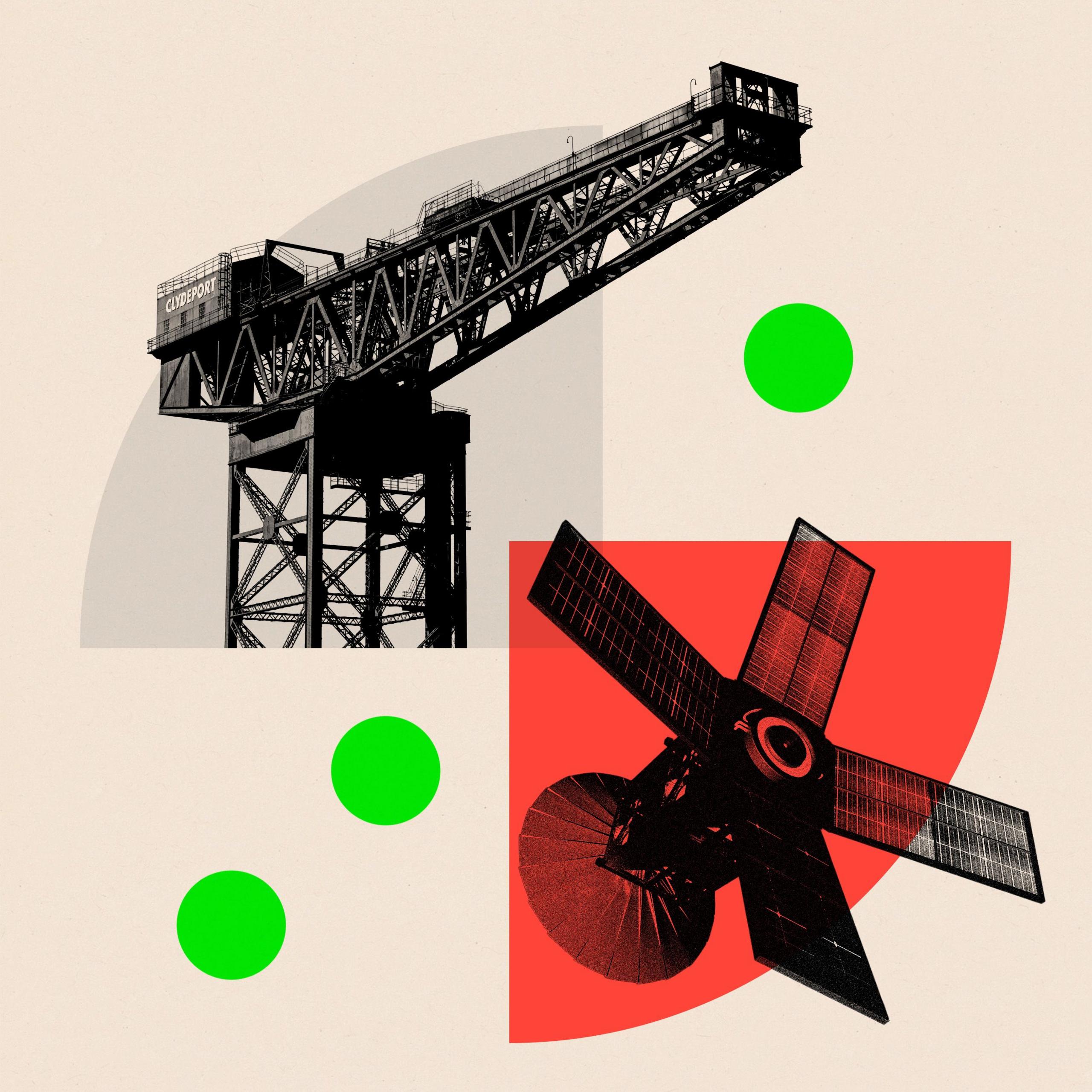
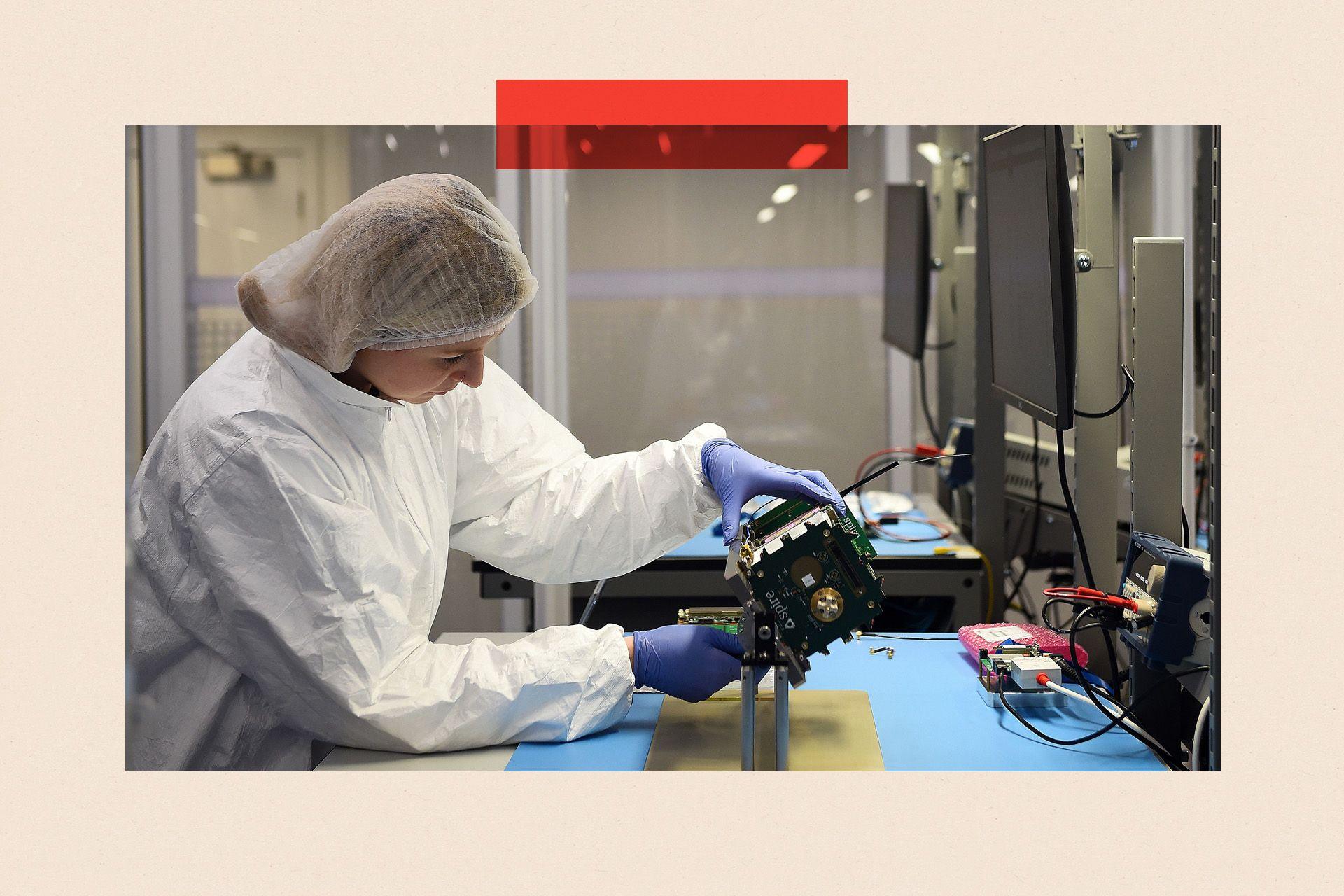
Glasgow’s reputation for shipbuilding still echoes in its skyline – a fact that explains why a set of small‑satellite makers would take root here. In 2005 Craig Clark, a former university graduate, founded Clyde Space in the city and, four years later, launched the UKube‑1, the first satellite built in Scotland. Today most of the Cylins of Glasgow’s constellation are CubeSats, those 10 cm cubes that cost a fraction of the old giants and can be stacked or customised for weather, navigation, agriculture or climate research.
The European funding race
Glasgow now produces more small satellites than any other European city. In 2022‑23 the local space sector generated £335 m of income and employed 2,811 people – a 69 % rise over five years. But funding is shifting: Bavaria plans a €35 bn defence‑space programme, Finland’s ICEYE raised more than €1 bn for synthetic‑aperture‑radar satellites and many German firms are already pouring money into space as Ukraine war highlights the need for domestic capabilities.
Keeping the spark alive
Experts argue that Glasgow’s growth depends less on big grants and more on government contracts. When the UK Space Agency says its investment sees a return of £7.49 per pound, it shows that public procurement can feed a robust private sector. Yet the risk is that those contracts may go elsewhere if competitors offer cheaper or higher‑tech solutions. Spire has already opened a centre in Munich and Alba Orbital moved its HQ to the US, while a new Finnish satellite firm is backed by the state.
What do governments do next?
Instead of funneling more subsidies, policymakers should make Glasgow a natural client for satellite services that feed climate‑science and infrastructure. By securing national roles in energy grids, transport systems or emergency response, the city can lock in revenue streams that give its companies a track record to win overseas contracts. This way, the bubble of Scottish expertise stays home, feeding not just satellites but future tech such as AI‑driven climate modelling and autonomous sea‑tenders.