In the murky waters of Georgia politics, a significant scandal has emerged surrounding the identity of the dark money group behind a series of aggressive ads directed at Republican Lt. Gov. Burt Jones. The group, operating under the name 'Georgians for Integrity,' has reportedly invested around $5 million in television ads, mailers, and text campaigns that accuse Jones of misusing his office for personal gain.
These ads have been hard to miss, saturating the airwaves since Thanksgiving and playing a critical role in shaping public sentiment as the state's Republican primary approaches in May. The growing role of anonymous funding in political campaigns is raising alarms as voters express concerns about the motives behind such spending.
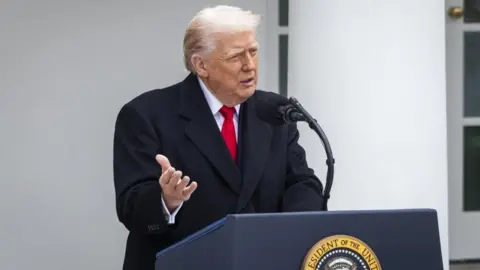
Jones, currently vying for the state's governorship and endorsed by former President Donald Trump, is vehemently protesting the ads. He describes them as "demonstrably false" claims that amount to slander, threatening legal action against television stations airing the content.
“They want to be anonymous, spend a lot of money, and create a lot of lies about myself and my family,” Jones remarked in a recent interview. So far, the deceptive ads continue to air, amid growing calls for transparency from various quarters.
The Impact of Dark Money on Democracy
The stakes are high not only for Jones but for Georgia's political framework overall. State Attorney General Chris Carr and Secretary of State Brad Raffensperger, both competitors in the gubernatorial race, deny involvement in the ad attacks.
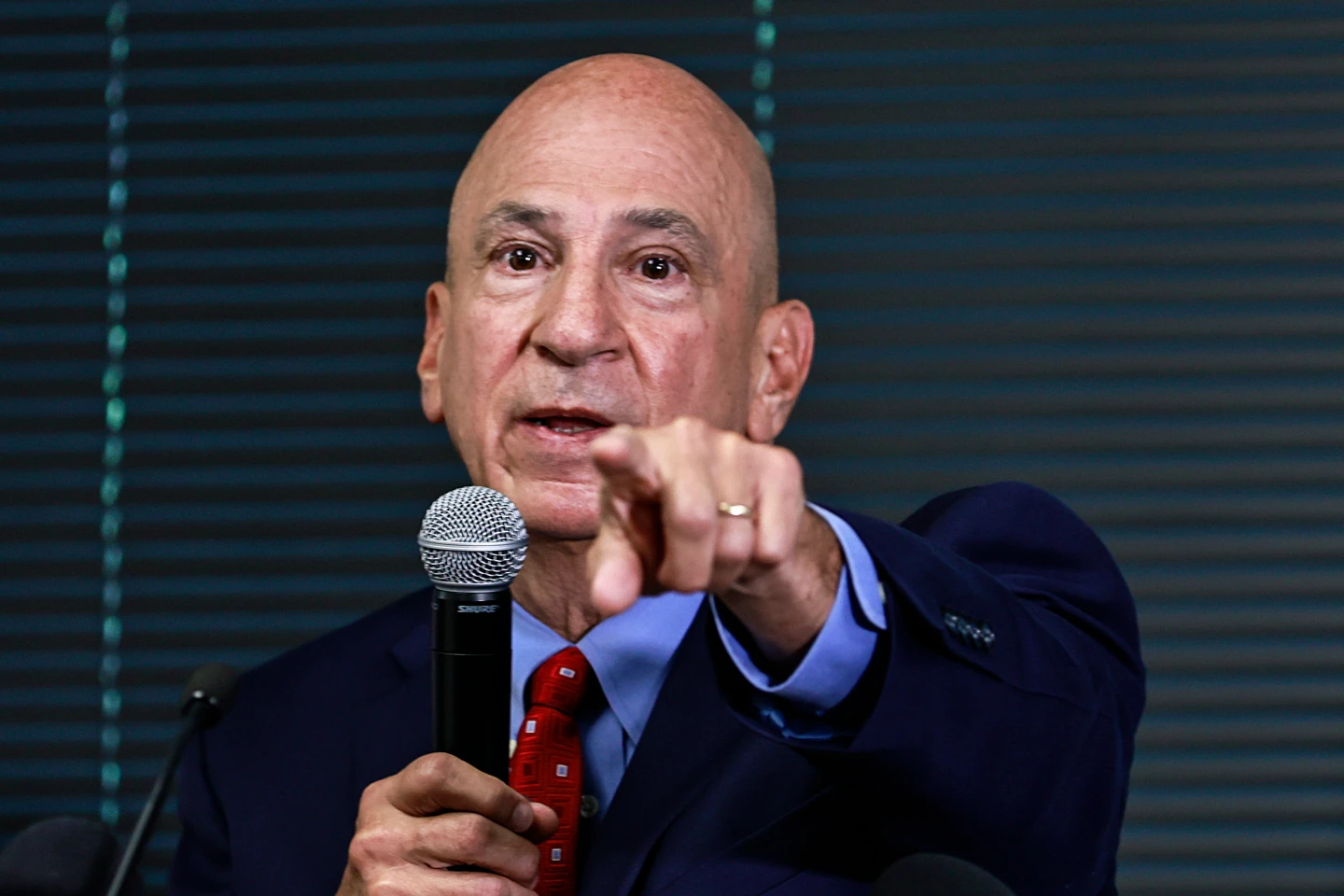
The Georgia Republican Party has lodged a formal complaint with the State Ethics Commission, indicating that the ads violate state campaign finance laws that necessitate donor disclosure for significant election spending. According to Josh McKoon, chairman of the state GOP, unchecked dark money poses not only a threat to the outcomes of elections but also to the integrity of the political system itself.
The burgeoning dark money narrative stems from the repercussions of the 2010 U.S. Supreme Court ruling in Citizens United, which drastically increased independent spending in elections across the states, allowing groups to hide their financial backers.
As criticisms of Jones's alleged financial impropriety gain traction, the nature of campaign financing becomes an essential point of discussion in a state known for its intense political rivalries. Amid widespread ambiguity about the advertisers' identities, it draws attention to the lack of accountability, perhaps foreshadowing a troubling trend in future electoral processes.