In brief
Sinkholes, also known as "tiankeng," are fostering a new tourism boom in Guangxi, but their delicate environments face threats from uncontrolled exploration.
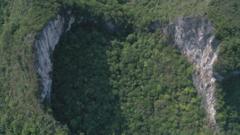
With its dramatic, limestone cliffs plunging into ancient forests, Guangxi province in China is becoming an increasingly popular hotspot for adventurous tourism centered around its spectacular sinkholes. These “heavenly pits” contain unique ecosystems that have remained largely untouched for millennia, but the growing influx of tourists is raising alarms about the potential ecological impact on these fragile environments.The allure of the sinkholes has captivated both explorers and casual tourists, with more than two-thirds of the world's sinkholes located in China. Guangxi boasts the largest number of these geological wonders—over 30. An influx of visitors seeking thrill and adventure contrasted sharply with the local myths of demons and mist that once kept people away from these natural marvels.One such explorer, Brother Fei, who grew up near these sinkholes, initially feared them due to local legends. Today, he operates as a tour guide, having transformed his fear into fascination, revealing to tourists the unparalleled beauty lying at the bottom of these caverns. The magical experience of rappelling over cliffs and into lush, hidden forests attracts many—some of whom, like young adventurers Rui and Michael, are eager to embrace the excitement of discovering what lies beneath.Scientists have similarly recognized the sinkholes as treasure troves of undiscovered biodiversity—new species of plants and animals, including ghostly white cave fish and rare orchids, have emerged amid the unique microclimates that these pits create. Yet the growing popularity of these natural attractions exposes a potential conflict between conservation and tourism revenue.The local economy, previously reliant on agriculture, has begun benefiting from the surge in visitors, leading to infrastructure developments and improved livelihoods. However, Dr. Lina Shen, an authority on sinkholes, warns against blindly pursuing tourism at the cost of scientific research and ecological preservation. She advocates for a balanced approach that allows for innovative tourism methods—such as aerial views from hot air balloons and regulated pathways—that minimizes disturbances to the delicate ecosystems.As the allure of Guangxi’s sinkholes continues to swell, the narrative surrounding them is evolving. Tourists like Michael and Rui not only seek adventure; they acknowledge the importance of balancing exploration with a commitment to safeguarding these extraordinary environments. The challenge ahead is to cultivate excitement about these geological wonders while ensuring sustainable practices protect the magical ecosystems nestled within. In essence, the journey into Guangxi’s sinkholes offers not just a thrill but a deeper understanding of the interconnectedness of nature and the profound responsibility of stewardship that comes with discovery.