In brief
Ukraine faces relentless drone strikes on its petrol stations while Russian forces target Ukrainian refineries. In response, officials have deployed concrete shelters, anti‑drone nets, and mobile tanker depots to keep fuel moving for civilians. Despite more than 200 stations hit, national data points to only a 4% loss of infrastructure, keeping overall supply remarkably stable. The war underscores the vulnerability of heavy fuel infrastructure and highlights a low‑carbon resilience model that could guide post‑conflict rebuilding.
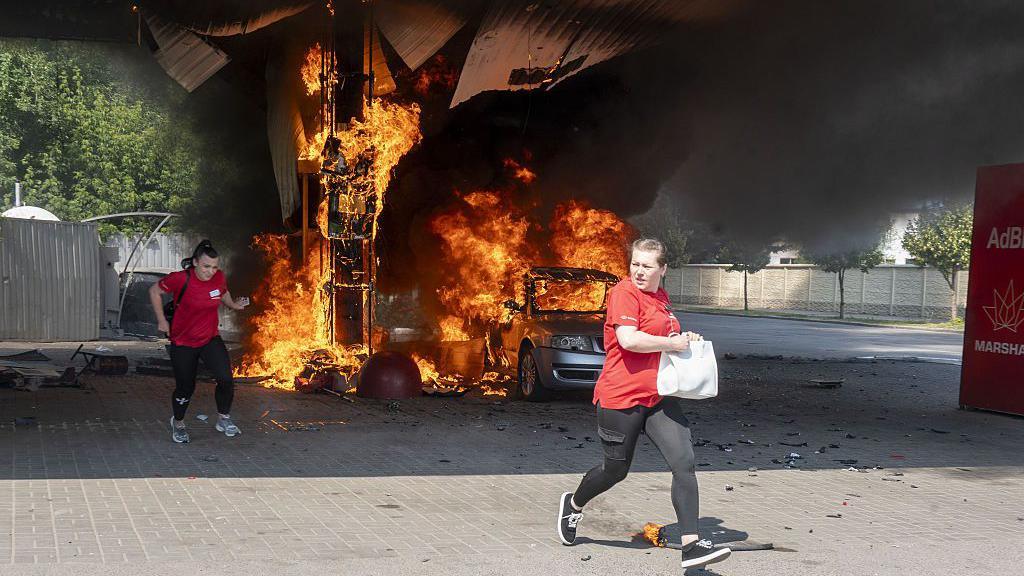
The drone‑driven battle over fuel infrastructure has forced Ukrainian authorities into a rapid reshaping of energy resilience. In the wake of over 200 petrol stations destroyed since April, drivers are now urged to "fill quickly, move on" to minimise risk.
While Russian forces target Ukrainian refineries to starve their own fuel stocks, the attacks on local stations aim to cripple civilian mobility and sow panic. The opposite strategy in Ukraine relies on a dispersed network of pumps protected by concrete shelters and anti‑drone nets.
Sparks of resistance emerge from temporary truck depots that relocate daily to stay out of reach, and from the low‑carbon approach of using mobile tanker fleets that bypass destroyed sites. The cost of a single Shahed drone – between $20,000 and $50,000 – is more than a destroyed station, yet it can delay essential travel for hours.
National Bank reports show only 4% of stations are hit, and alternative routes add a modest 10‑kilometre detour for most drivers, keeping the overall market surprisingly stable. In contrast, Russia faces fuel shortages nationwide, with a local paper noting only 28% of its pumps are operational.
Energy analysts now view the conflict as a stark illustration of the fragility of heavy fuel infrastructure. Ukraine’s decentralized approach and small, mobile tanker fleets offer a low‑carbon resilience model that could serve as a blueprint for post‑conflict reconstruction.
Despite the technological advances, every drone raid reminds citizens that their daily fuel supply is a battlefield target, stretching the intersection of supply and geopolitical risk.