In brief
The weekend saw over half a million protesters in France turn violent, looting 1,500 shops and forcing police to use tear gas. Political leaders are scrambling to address the crisis, with Prime Minister Lecornu convening a crisis cabinet while President Macron demands accountability. The turbulence threatens to derail the country’s climate ambitions, as upcoming elections could shift priorities away from green commitments.
France’s unrest shakes climate agenda
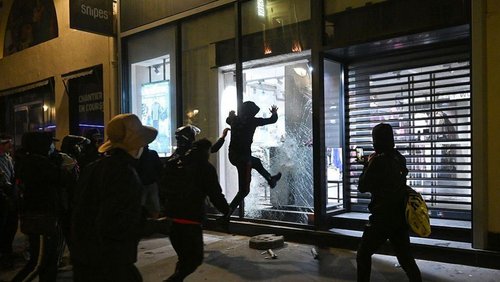
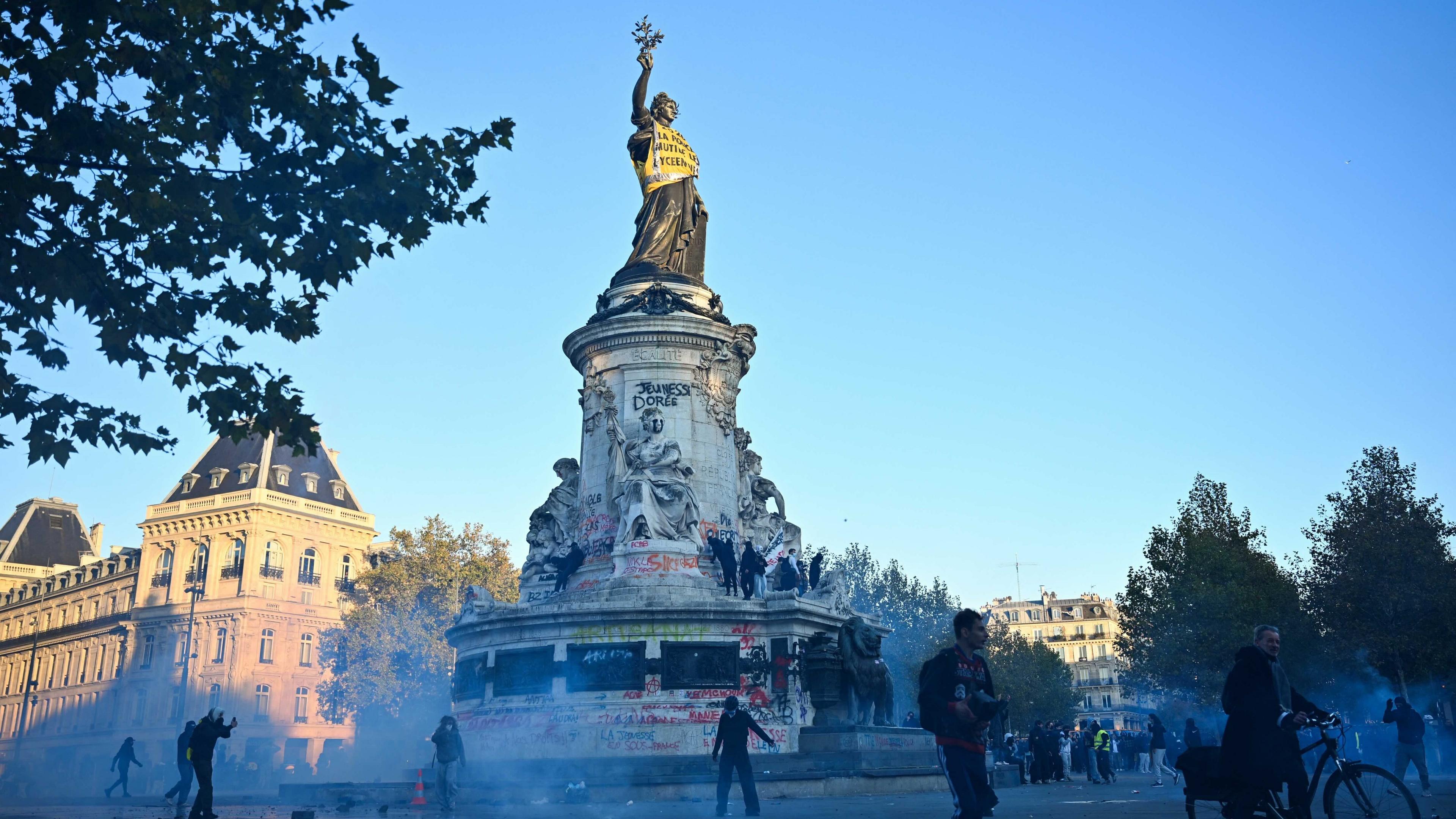
Over half a million demonstrators flooded Paris and other French cities this weekend, demanding lower living costs and stronger public services. Many of the protests quickly turned into violent clashes as masked groups joined the crowds, raiding stores and damaging public buildings.
Police deployed tear gas and water cannon, wounding about a thousand officers. A total of about 1,500 shops were looted, creating a chaotic scene that left city officials scrambling to restore order.
Prime Minister Sébastien Lecornu convened a crisis cabinet, while President Emmanuel Macron asked the Interior Minister to devise lasting measures to keep streets safe and bring the rioters to justice. Political opponents and unions have seized the moment to criticize the government’s preparedness and call for a reset in national priorities.
Amid these tensions, France’s ambitious climate plan—aimed at cutting greenhouse gas emissions by 40 % by 2030—faces new challenges. Elections are slated for next year, and the current political instability could delay the rollout of green programmes that rely on steady funding and public trust.
Environmental NGOs and citizen‑science groups are urging the government to strengthen community‑based adaptation projects and safeguard renewable‑energy infrastructure from future unrest. The urgency of climate action demands that social order and public support be restored with equal speed.