In brief
At the London‑based Ballon d’Or, presenters dedicated the ceremony to Christophe Gleizes, a 37‑year‑old sports journalist held in an Algerian prison. Gleizes’s trip to Kabylie, a region known for its green mountains, aimed at reporting on a football club but was met with charges of supporting terrorism. The case has sparked a call from Reporters Without Borders for a solidarity football match on 11 November to demand his release and reinforce the importance of open journalism for climate advocacy. Amid rising diplomatic tensions between France and Algeria, the incident highlights how restrictions on press freedoms can impede timely reporting on climate‑related challenges in vulnerable communities. The event serves as a reminder that safeguarding journalists is essential for informing and empowering climate action worldwide.
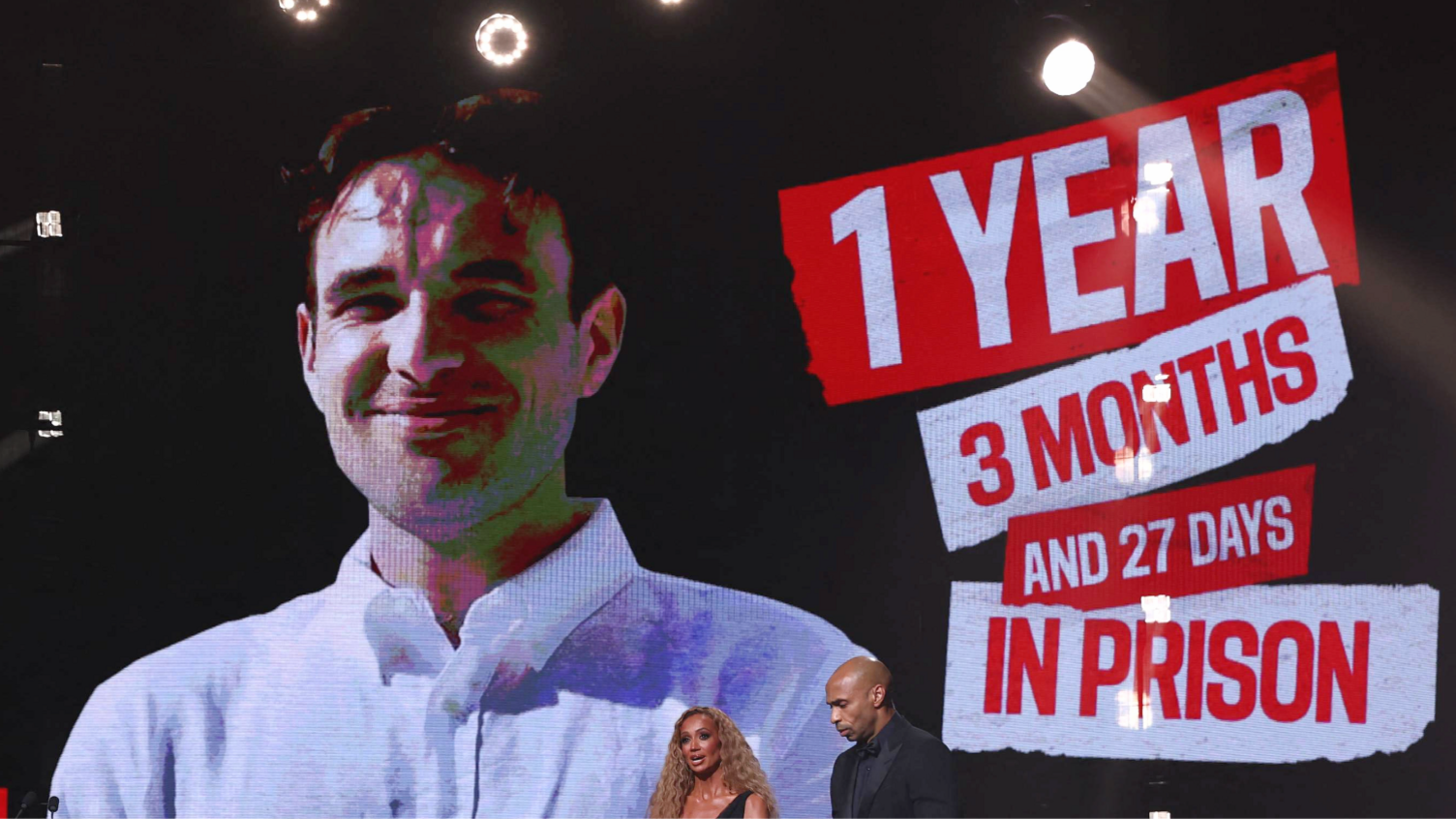
The Ballon d’Or presented in London on 3 November served more than a celebration of football champions; it was a platform for the global media community to call attention to a growing threat to press freedom in Africa. Kate Scott and former star Thierry Henry used the stage to honour Christophe Gleizes, a 37‑year‑old reporter for Paris‑based So Foot, who has been incarcerated in Algeria for seven years on allegations of terrorism support.
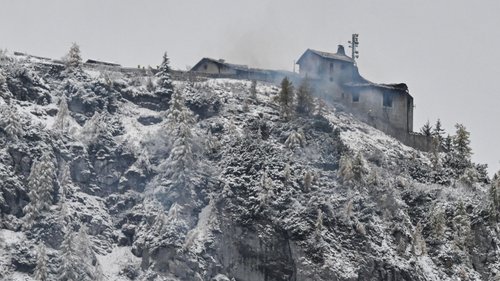
Gleizes travelled to the Kabylie region—a volcanic highland that is a hotspot for biodiversity and a frontline in the fight against desertification. There, he was covering the popular football club Jeunesse Sportive de Kabylie, an effort that would normally bring sports and community pride together. Instead, authorities in Algiers cited his contacts with a club official who is linked to the Movement for the Self‑Determination of Kabylie, a group banned as a terrorist organization. The case has alarmed journalists around the world, especially those covering environmental issues in fragile nations where free inquiry is often hampered by political motives.
Reporters Without Borders and other press‑rights groups argue that Gleizes’s reporting was purely journalistic, conducted before the group’s outlawing, and “egregious denial of Freedoms” that robs locals of accurate, timely environmental data and public scrutiny. They have announced a solidarity football match for 11 November—Gleizes’s 500th day in detention—to rally the football community and the public for his release.
The arrest raises a broader question about how climate‑driven policy and local activism can safely flourish when key voices are silenced. In regions experiencing conflict, the ability of independent journalists to report on water scarcity, deforestation, and climate‑related migration is directly tied to policy responses and investment—elements that shape sustainable futures. The Ballon d’Or dedication, therefore, is not merely symbolic; it signals a call to keep the climate conversation open and resilient.
International diplomatic tensions between France and Algeria, exacerbated by disputes over Western Sahara and other political matters, have made the situation even more delicate. French officials have urged Algerian authorities to allow Gleizes to reunite with his family, citing the imprisonment’s impact on his mental health and the broader climate dialogue.
The incident underscores the need for allies—both within the sports arena and the global press network—to support journalists who report on environmental hotspots. Their stories inform risk assessments, guide policy, and inspire communities to adopt climate‑adapted practices, underscoring that freedom of the press remains a cornerstone of sustainable, resilient societies worldwide.