In brief
A devastating flash flood and mudslide along the Nepal‑Tibet border has killed at least 17 people, shattering villages and cutting off the main road to Kathmandu. The disaster, caused by rapid snow melt feeding the Bhote Koshi river, underscores the growing threat of climate‑driven extremes in the Himalayas. Search and rescue teams are battling difficult terrain, while authorities call for improved early‑warning systems and stronger, climate‑resilient infrastructure. Experts highlight the need for coordinated cross‑border cooperation, community training, and better landslide risk mapping to safeguard fragile mountain settlements.
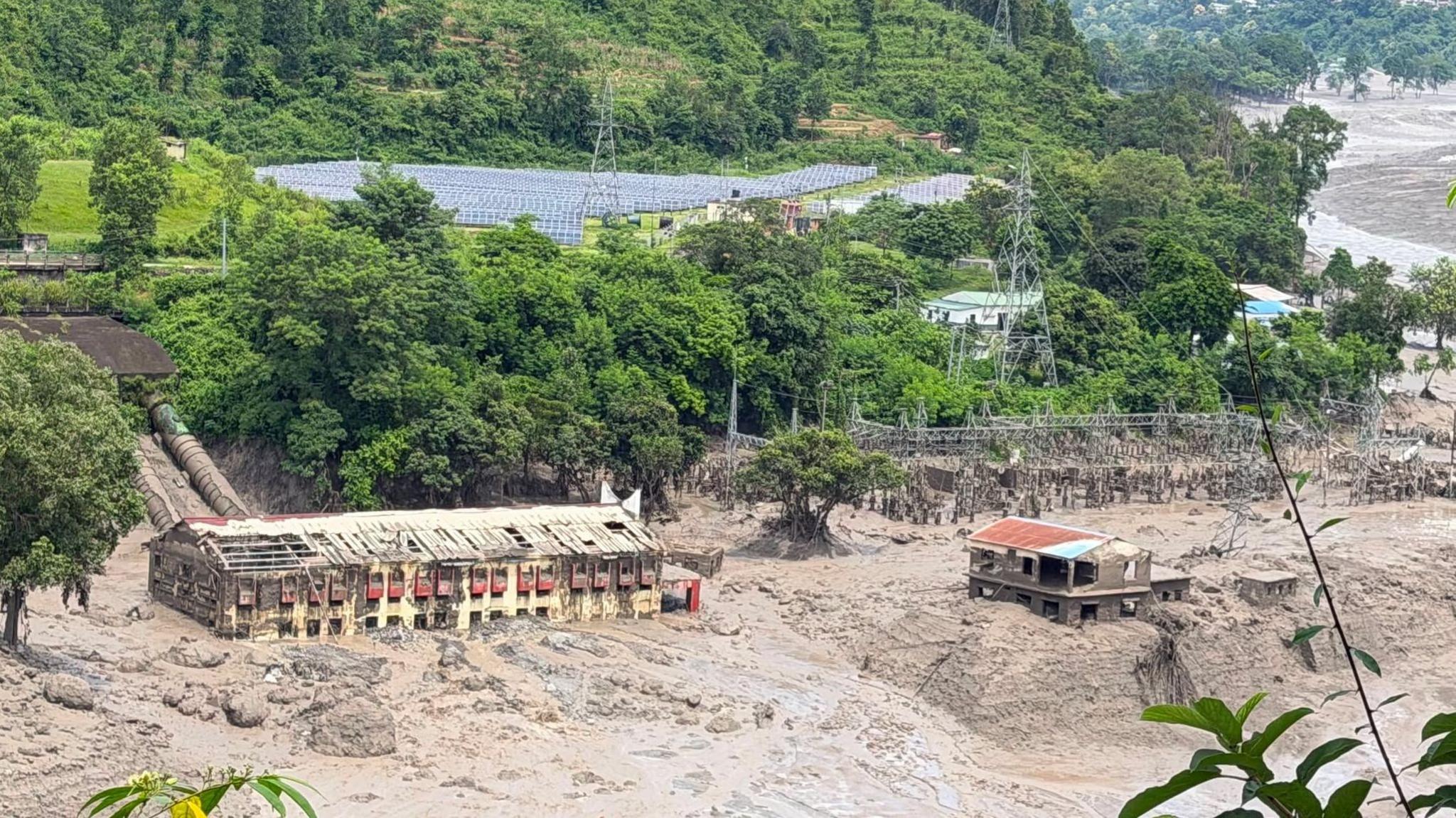
At least 17 people have died after a flash flood and mudslide struck the Nepal‑Tibet border near Rasuwa, just north of Kathmandu.
The flood hit early on Wednesday when snow from the high Himalayas melted rapidly, sending a surge of water down the Bhote Koshi River. Police and local authorities have reported that villages and far‑off roads were swept away, leaving communities isolated.
Search operations are underway on both sides of the border, with 12 people rescued so far. Nepalese police spokesperson Abhi Narayan Kaphle explained that all security agencies are coordinating rescue efforts, while state media in China reports significant casualties and “huge scale loss.”
Roads, communications, and power in the region were disrupted; the main road to Kathmandu remains closed. A Chinese businessman, Yee Liang, described losing contact with his logistics fleet because of the lack of signal, highlighting the broader infrastructural vulnerability.
The Tibetan side’s damage remains unclear, but relatives of a construction worker reported lost contact with his wife due to wind‑choked helicopter routes. He was part of a state‑run construction crew building roads and bridges in Tibet.
The Nepal disaster management authority has urged people living near river banks to stay alert and develop precautionary measures. Prime Minister Balendra Shah posted on social media that emergency coordination with the medical team, scouts, and Red Cross has begun.
Missing reports indicate 13 armed police officers were lost from two posts in Rasuwa district, and dozens of other officers remain uncontacted. The community’s trauma echoes last year’s flood, which claimed 18 lives after a glacier burst on the Chinese side of the border.
Officials believe Wednesday’s disaster exceeds last year’s scale, underscoring the urgency of climate adaptation measures. In the face of increasingly extreme weather, experts call for early‑warning systems, engineered flood‑control infrastructure, and cross‑border cooperation to protect mountain communities and maintain critical supply routes.