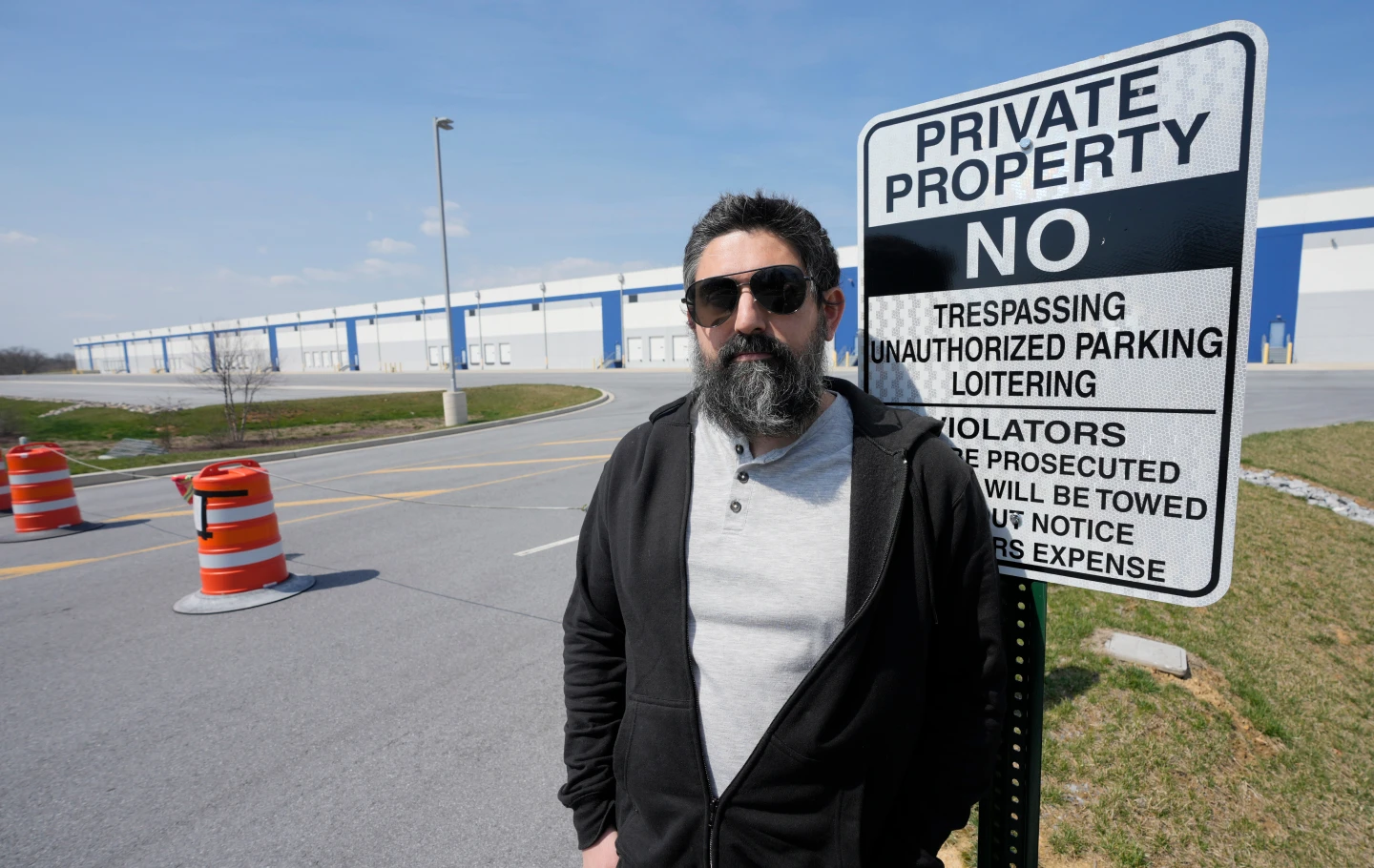
In a controversial move, Homeland Security Secretary Markwayne Mullin is reassessing the federal plan to convert warehouses into detention centers for immigrants. With over a billion dollars already spent on securing 11 warehouses, the initiative has faced pushback from local communities who fear environmental and resource-related repercussions.
Reports indicate that several states, including Arizona, Florida, and Georgia, are encountering significant opposition to these facilities, with local officials and activists expressing concern about inadequate water resources and the strain on community infrastructure.
Arizona's Concerns
In Arizona, residents were caught off guard when ICE acquired a large warehouse in Surprise, aiming for a processing capacity of 1,000-1,500 detainees. Local authorities, including Mayor Kevin Sartor, have voiced objections regarding the anticipated effects on municipal resources and public safety.
Florida's Unease
Florida's potential facilities haven't moved forward without scrutiny either. Plans for a large warehouse in Orange County are still exploratory as community members ask for clarity and transparency regarding the center's impact.
Georgia's Water Supply Worries
Georgia's Federal investment in a massive detention facility has raised alarms, specifically regarding resource management. Local officials locked down warehouse water meters and questioned the sustainability of transporting drinking water while managing waste.
Growing Pushback Nationwide
The concerns raised are not isolated. Across various states, similar initiatives have been met with stark resistance as towns and cities have expressed disapproval, emphasizing a need for better communication and consideration from DHS. States such as Maryland, Michigan, and New York have already seen proposed facility projects halted or contested due to substantial public disapproval and legal challenges.
As community voices grow louder against the federal government's plans, local leaders are demanding better collaboration and transparency in decision-making processes concerning local infrastructure and environmental sustainability.