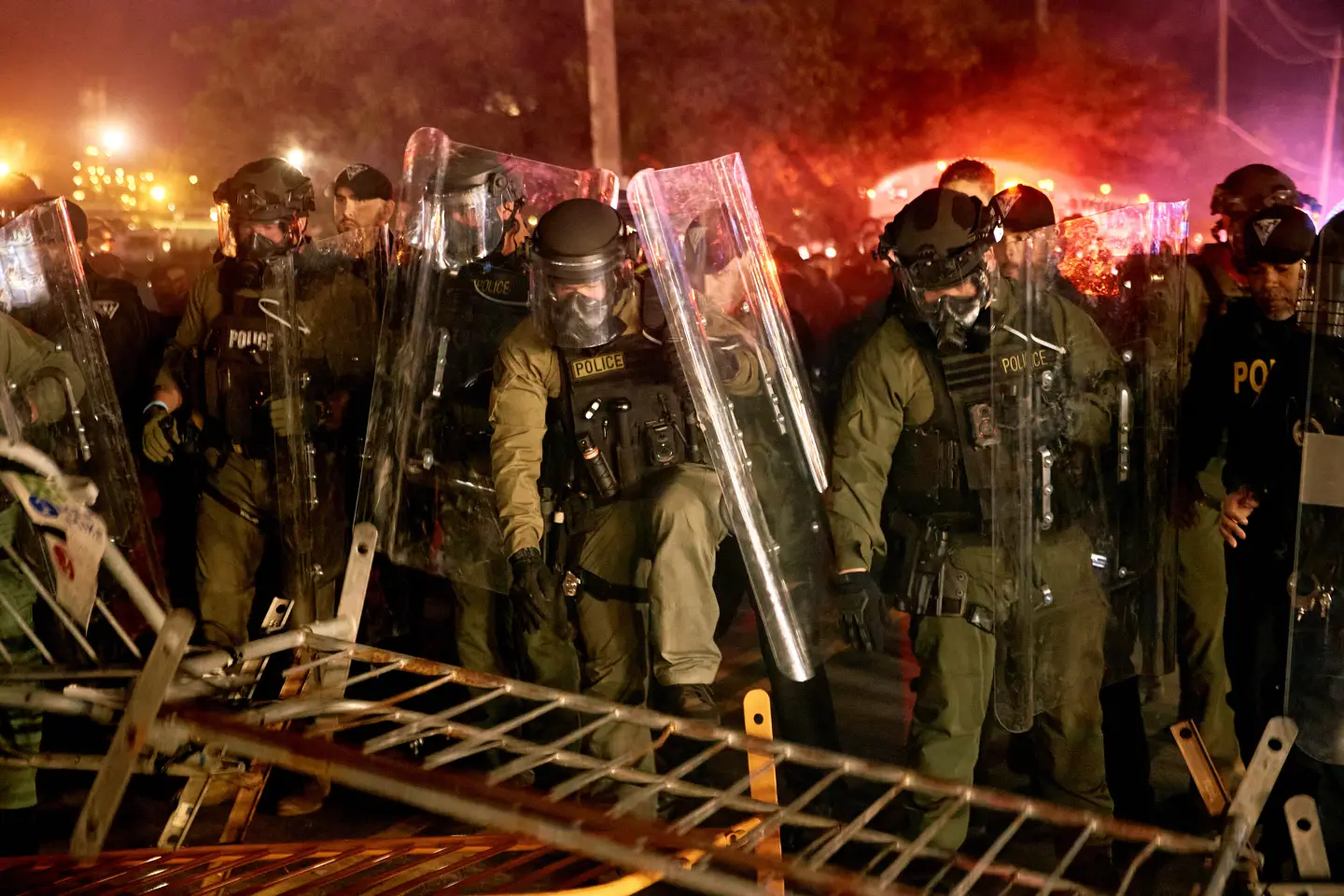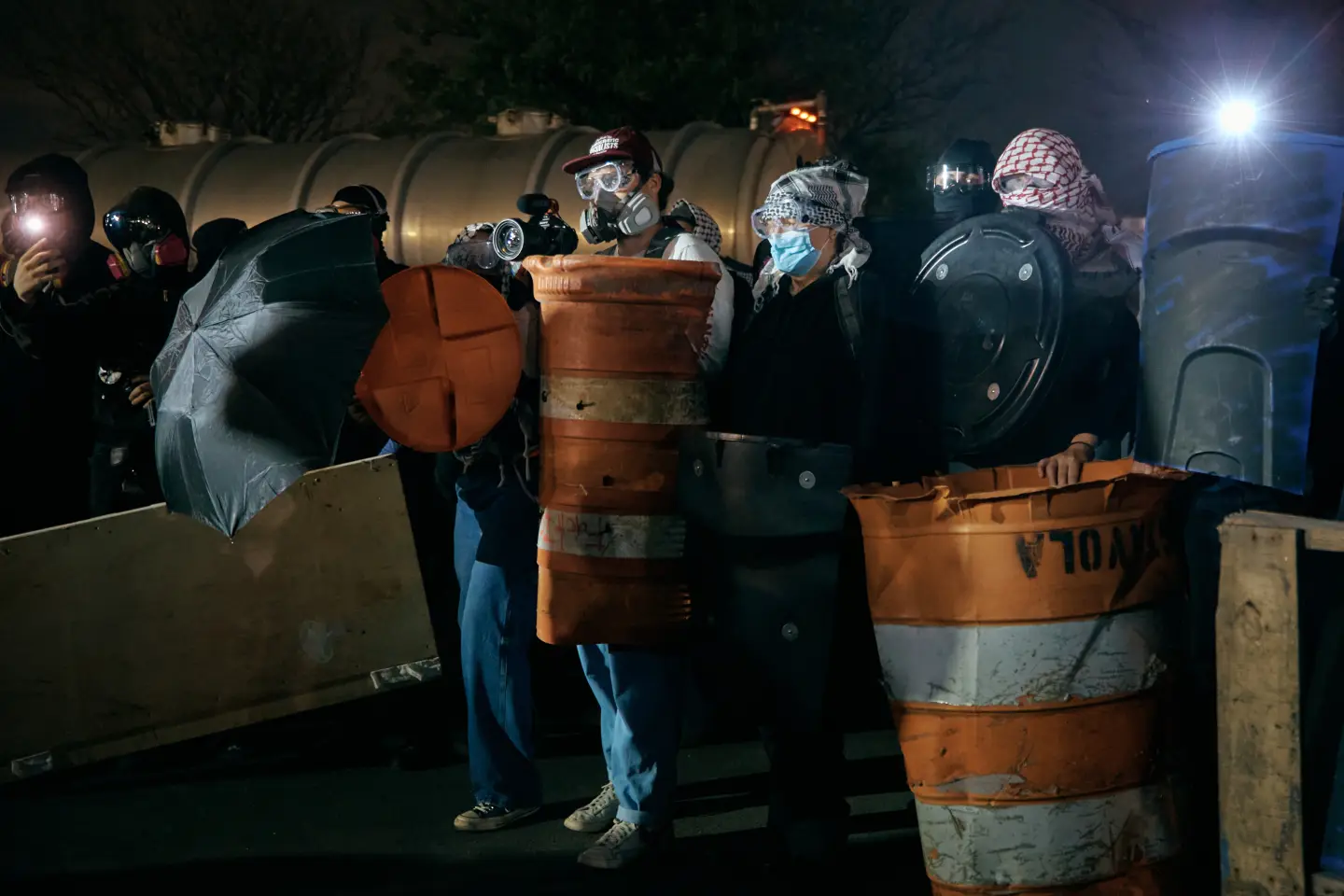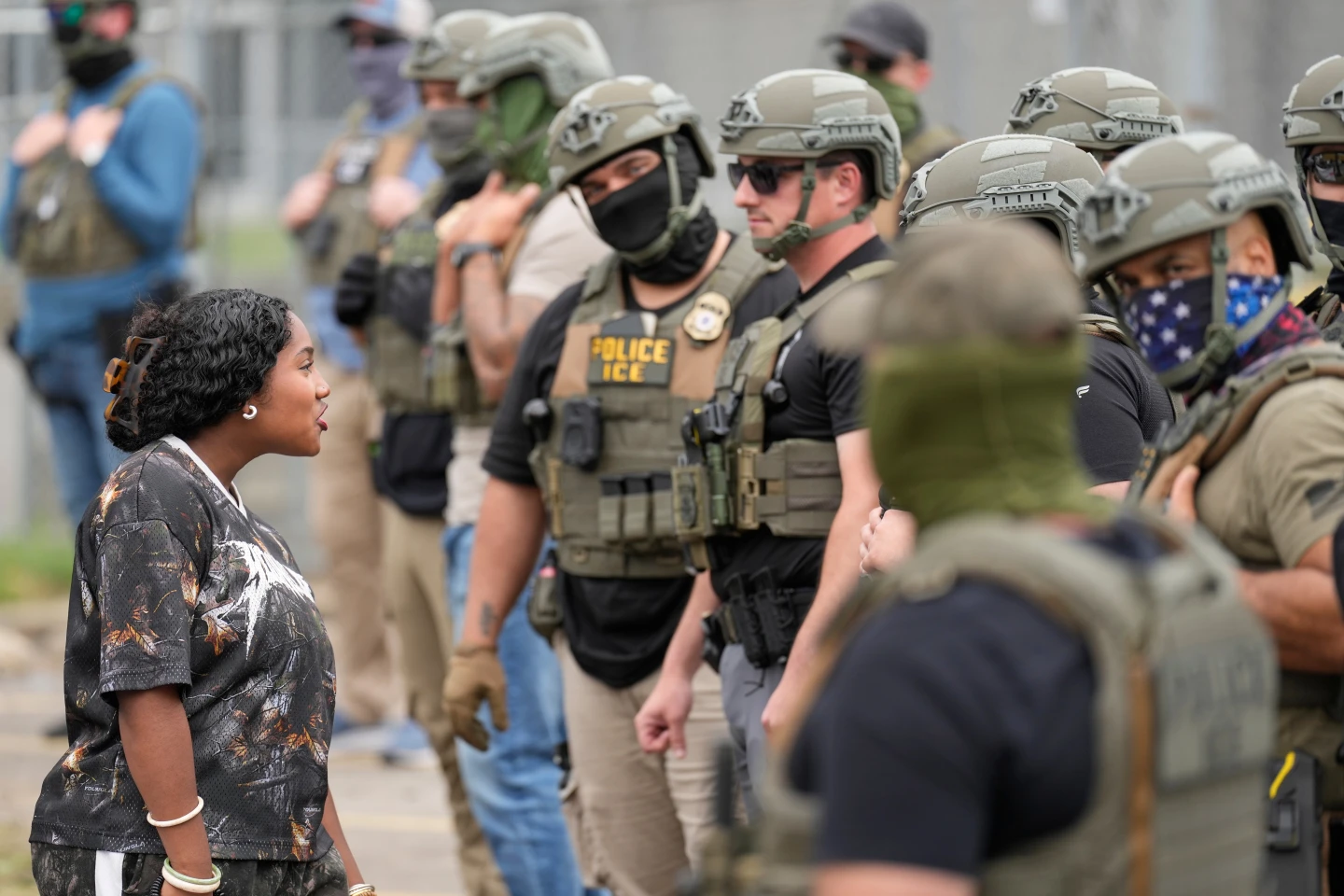
HAGERSTOWN, Md. — Protests erupted outside a recent county commissioners meeting in Washington County, Maryland, over plans for a new ICE detention facility. As local officials discussed routine matters, demonstrators outside shouted slogans including Stop ICE! amidst blaring horns.
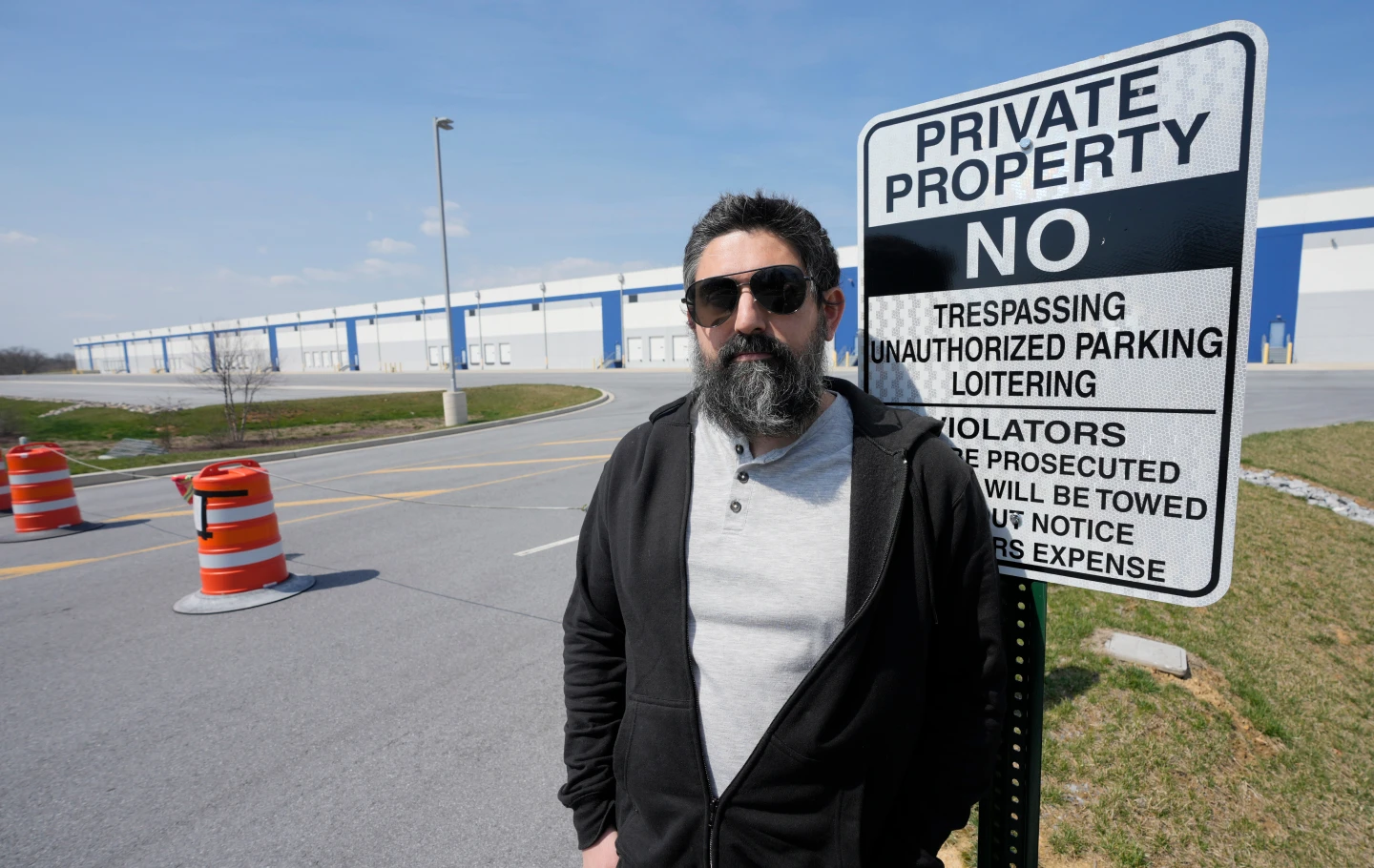
This outcry stems from the Department of Homeland Security's controversial acquisition of an expansive 825,000-square-foot warehouse intended for conversion into an ICE detention center. This purchase is part of a broader initiative to repurpose warehouses across the U.S. for detaining immigrants.
Patrick Dattilio, leader of the protest group Hagerstown Rapid Response, criticized the facility’s design for holding people rather than parcels. He and many others argue that “This is a facility built for packages, not people.”
The opposition is echoed by others in Washington County; recent reports indicate that the government has spent over a billion dollars acquiring warehouses for these purposes nationwide. Community sentiment has decidedly skewed against these plans, with multiple counties objecting due to moral concerns and a perceived lack of public infrastructure to support such institutions.
The proposed facility's future remains unclear, as the project faces legal hurdles. A Maryland attorney general's lawsuit has temporarily halted progress, necessitating further review of the building's intended use.
During the commissioners meeting, there were simultaneous calls for change, with county leaders expressing their loyalty to ICE, suggesting their support despite criticism from their constituents. This has left many residents, shocked over the sudden announcement of the opening of the facility, feeling disenfranchised.
Community members like Carroll Sager, who held a sign reading Disenfranchised in Washington County, highlighted wider concerns about local voices being overshadowed by federal decisions. We have had no voice in this, she lamented amid the cacophony of protests.
The discord is not unique to Maryland. Other U.S. communities similarly protest DHS's plans, exemplifying growing national resistance against such facilities. Allegations of insufficient communication regarding these projects have led to legal actions in several states, with residents demanding accountability.
Under the scrutiny of ongoing legal battles and public opposition, the DHS has paused other warehouse purchases and indicated that it will reconsider the overall approach to these projects in response to community feedback. As a result, many in Washington County, including local leaders, are left awaiting the future of both the facility and their community's voice in upcoming decisions.