In brief
Perea, a smallholder in Colombia’s Meta region, once abandoned coca in favor of cassava, but promised support never materialised. With roads washed out, markets inaccessible, he returned to coca for survival. The story highlights the limits of government programmes that rely on subsidies without infrastructure, and the continuing boom in coca cultivation despite peace deals. Experts warn that without integrated local development, coca will persist as a profitable business. The crisis underscores the need for climate‑aware, resilience‑building solutions in remote communities.
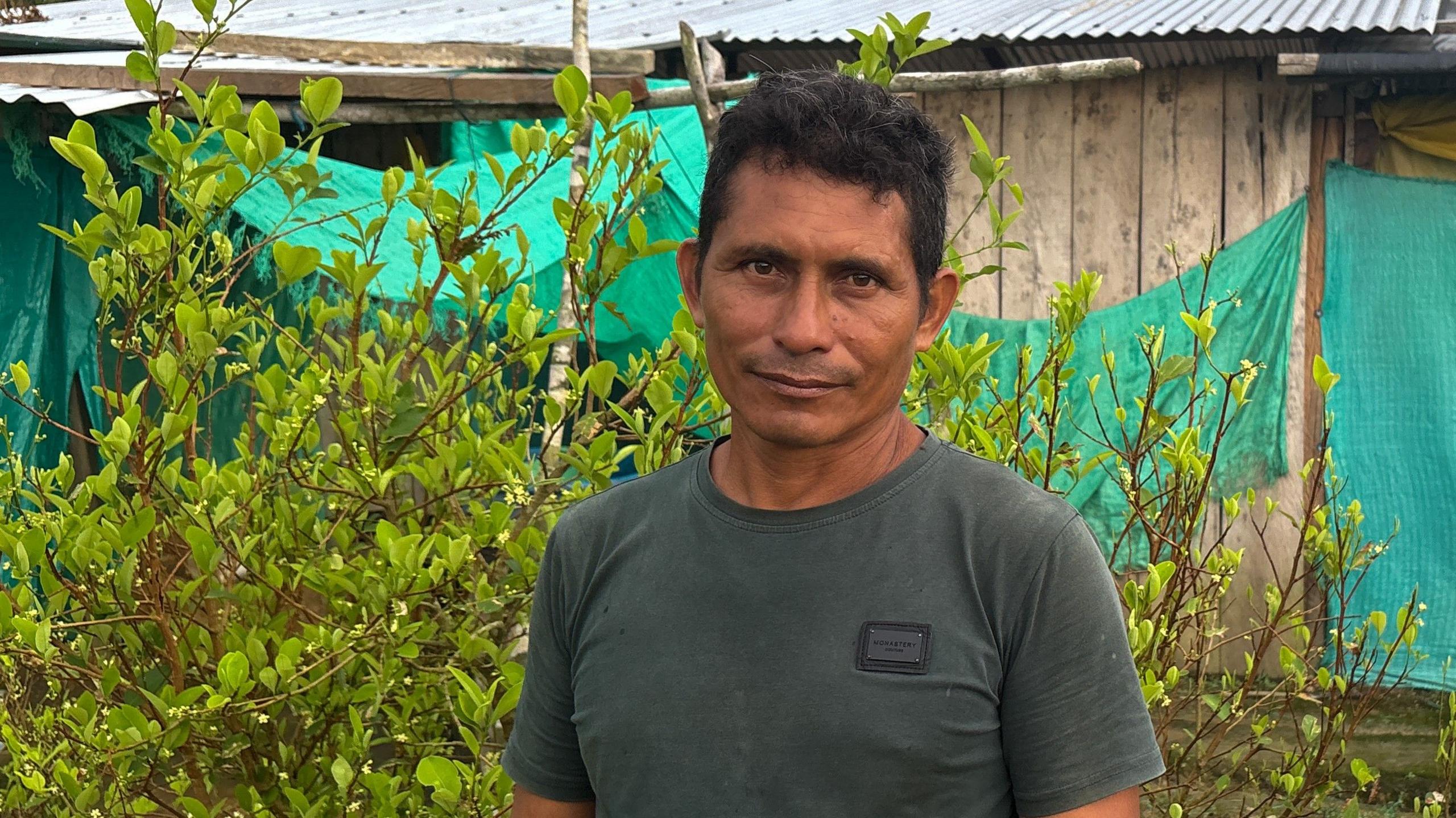
When farmer Perea uprooted his coca bushes in the remote Meta province of Colombia, he promised to never grow the drug again. He had joined a government‑run substitution programme that offered financial aid and technical support in exchange for abandoning coca. But the promised help never arrived; flooded roads kept his produce from markets, and the lack of reliable infrastructure left his cassava and plantain crops trapped.
Same year, Perea planted coca again, driven by the absence of any sustainable income. “It’s a tragedy,” he says. “When you have children and no work, what choice is there?” The cycle illustrates how reliance on a single, high‑yield yet illicit crop persists when security and economic options fail.
The coca leaf, once a traditional tea for indigenous peoples, now largely fuels the global cocaine trade, with about 70 % of the drug’s supply sourced from Colombia. Researchers note that coca offers farmers quick harvests and a stable price, boosting local GDP by up to 10 % in some areas. Yet the receipt of subsidies and the introduction of programmes like PNIS have fallen short in the face of security challenges and shifting government priorities.
“Insecurity and poor coordination mean the help never reaches farmers,” says Elena Hernández, who once joined the substitution drive. While some communities, like Puerto Rico’s Doralba Bejarano, have received aid and feel safer, many others report delayed payments and lack of technical guidance. The fragile security context, bolstered by new armed groups, further complicates implementation.
The government’s latest approach, RenHacemos, seeks to address these gaps by bundling agricultural subsidies with infrastructure upgrades, digital connectivity, education, and better housing. Its goal is to replace the coca economy, not just the plant, by diversifying livelihoods and reducing the business appeal of drug production.
Yet experts warn that coca will remain profitable until broader resistance mechanisms—market substitution, community empowerment, and climate‑smart agriculture—are firmly in place. Perea’s story illustrates how climate‑overlooked, economically marginalised communities can become entangled in illicit economies, underscoring the urgency for integrated, sustainable solutions that address both environmental and livelihood futures.