Lizbeth Perez looks fearful as she gazes out onto the postcard-perfect fishing bay of Taganga, on Colombia's Caribbean coast, recalling the moment she last spoke to her uncle in September.
He was a kind man, a good person, a friend. A good father, uncle, son. He was a cheerful person. He loved his work and his fishing.
Alejandro Carranza said goodbye to his family early in the morning on 14 September, before going out on his boat as usual, his cousin Audenis Manjarres told state media. He left from La Guajira, a region in neighbouring Venezuela.
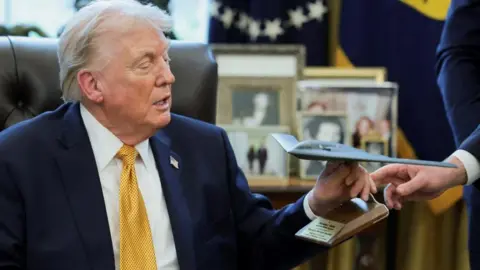
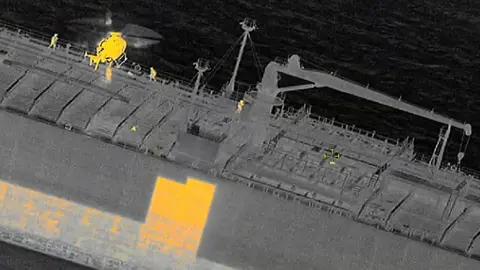
The next day, US President Donald Trump announced that a US strike in international waters had targeted a vessel that had departed Venezuela, claiming three people described as extraordinarily violent drug-trafficking cartels and narco-terrorists were killed.
Ms. Perez has not seen her uncle since. His five children are missing their dad, she says, and the family remains anxiously waiting for answers, not knowing if he was on the boat hit during the strike.
The truth is we don't know it was him, we don't have any proof that it was him, apart from what we saw on the news.
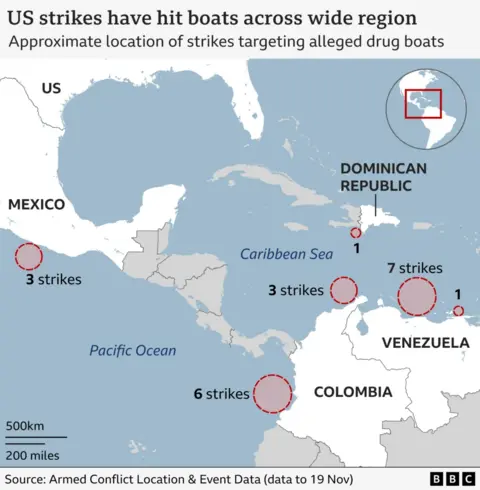
The US began striking alleged drug-trafficking boats in the Caribbean in September, with at least 21 strikes leading to 83 reported deaths, according to US statements. Defence Secretary Pete Hegseth framed the campaign as a response to narco-terrorism in the region, aimed at securing the US from drugs that contribute to rising mortality among Americans.
However, these strikes have drawn international condemnation and concerns about breaches of international law. Colombian President Gustavo Petro has criticized the military actions, asserting that Colombian citizens were aboard the targeted boat and later claiming that Carranza was among the victims.
In response, the White House rejected Petro's claims as baseless and reprehensible, while Trump threatened to withdraw US aid to Colombia, accusing the president of fostering drug production.
Earlier this month, President Petro suggested that Carranza was involved with a drug trafficker due to his family’s economic circumstances. While Petro accused the US of murder, he faced criticism for the implications of his comments.
Josh Kovalik, a US lawyer representing Carranza's family, announced plans to sue the US government for the wrongful death. He argues that the military cannot kill civilians engaging in criminal activity unless there is an imminent threat of violence.
As US-led military actions continue in the Caribbean, fishermen in the region fear for their lives and livelihoods. Local fishermen like 81-year-old Juan Assis Tejeda express apprehension at the thought of being misidentified as threats due to the ongoing strikes.
Meanwhile, speculation grows that US actions may not only be aimed at drug boats but could potentially involve military pressure on Venezuelan President Nicolás Maduro amid accusations against his regime for drug trafficking.
As tensions rise, communities await the outcome of this complex conflict, questioning whether diplomacy or further military engagement lies ahead.