In brief
Archaeologists have uncovered disturbing evidence suggesting that 37 individuals, buried in the Charterhouse Warren site dating back to the Bronze Age, were likely victims of a gruesome massacre and subsequent cannibalistic rituals. This revelation challenges previous notions of prehistoric burial practices and highlights the complexity of human behavior in that era.
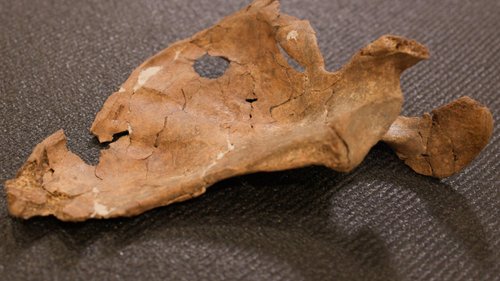
The discovery at Charterhouse Warren, a site in southwest England, has taken archaeologists by surprise after new research suggests that a mass grave from the Bronze Age harbors the remains of at least 37 individuals, who were likely killed and subsequently consumed. Bones were found strewn in a nearly 50-foot ditch, bearing telltale signs of violence and butchery, including fractured femurs and skulls showing evidence of blunt force trauma.Originally uncovered in 1970 by cave explorers, the site was largely considered a mere curiosity in the annals of British archaeology until research involving the latest forensic analysis equipped scholars to revisit this historic location. Professor Rick Schulting from Oxford University led a study that unveiled details previously overlooked, pointing to a horrendous event that occurred between 2210 and 2010 B.C.The recent study, published in the journal Antiquity by Cambridge University, suggests that the brutal slaying of these men, women, and children may have been part of a ceremonial feast or ritualistic activity following their deaths. Schulting expressed his astonishment, emphasizing the unexpected nature of such practices in the context of Bronze Age Britain, which typically lacked significant documented evidence of cannibalism or violence of this scale.Further analysis revealed that the remains were not only the result of violent encounters but were also subjected to what appeared to be butchery, further indicating that cannibalistic practices may have been part of the post-mortem behavior associated with these individuals. This archaeological puzzlement raises new questions about social structures, rituals, and the interpretation of life and death in prehistoric communities.As the academic community continues to analyze and debate these new findings, the Charterhouse Warren site emerges as a crucial window into the complex and often disturbing realities of human societies during the Bronze Age.