In brief
The Federal Aviation Administration (FAA) is implementing new safety guidelines requiring air traffic controllers to use radar to ensure safe separation between helicopters and aircraft at over 150 major airports. This change aims to mitigate risks identified following a deadly midair collision in January 2025, which claimed 67 lives. The FAA's decision comes after several near-miss incidents that highlighted the inadequacy of previous visual separation guidelines.
The Federal Aviation Administration (FAA) has announced new measures to improve safety in air traffic management, particularly for helicopters operating near major airports. Following a tragic midair collision between an American Airlines jet and an Army Black Hawk helicopter in January 2025, which resulted in the deaths of 67 individuals, the FAA has mandated that radar technologies be used to manage air traffic more effectively.
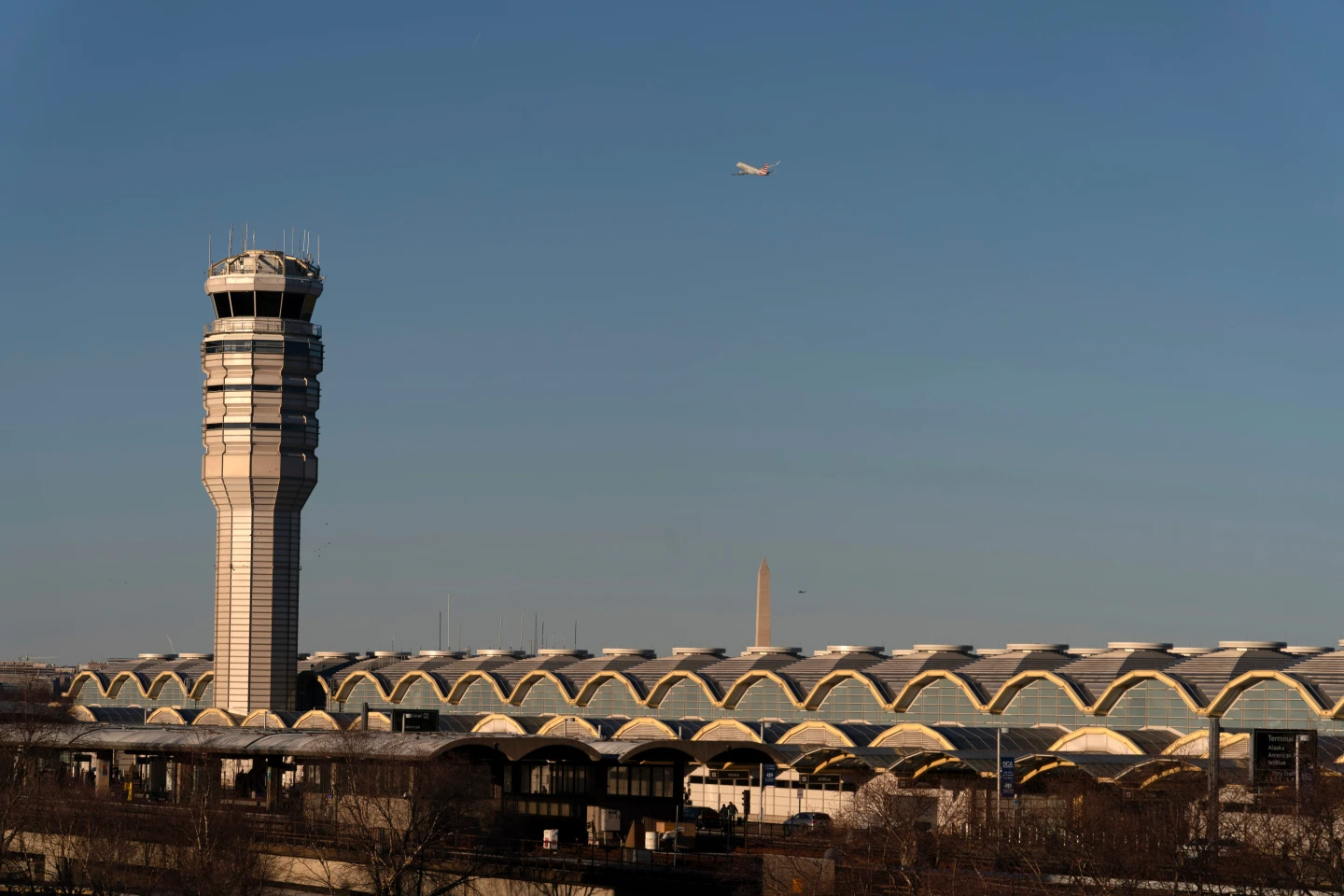
The FAA’s recent findings revealed that guidelines relying on visual separation were insufficient for preventing dangerous incidents, especially at airports with high traffic volumes. The new protocols will apply to over 150 of the busiest airports across the United States, expanding upon existing rules already enforced at Ronald Reagan Washington National Airport.
“Today, we are proactively mitigating risks before they affect the traveling public,” stated FAA Administrator Bryan Bedford in a press release. This new directive comes as a direct response to several narrowly avoided accidents, including incidents in San Antonio and Hollywood Burbank, where helicopters had to perform evasive maneuvers to avoid oncoming aircraft.
The January 2025 collision not only marked the deadliest plane crash in the U.S. since 2001 but also underscored the critical need for more effective traffic management measures. Investigators concluded that reliance on pilots to visually spot incoming aircraft was a significant factor contributing to the accident.
Moving forward, the use of radar technology will hopefully prevent further tragedies and ensure safer skies for all travelers.