In brief
Marty Sheargold's remarks, deemed disrespectful and misogynistic, sparked outrage and highlighted ongoing issues of sexism in sports media.
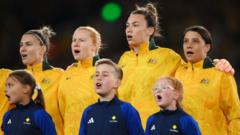
** In a notable incident reflecting ongoing gender bias in sports media, Australian radio presenter Marty Sheargold has parted ways with the Triple M network after making derogatory comments about the national women's football team, the Matildas. Sheargold described the players as reminiscent of "year 10 girls" during his drivetime show, suggesting the matches were unexciting. These remarks, made in front of a nationwide audience, prompted immediate backlash and were labeled as misogynistic and disrespectful to the accomplishments of the team.Following the uproar, Sheargold issued an apology earlier in the week but was noticeably absent from his broadcast time slot, raising speculation about his future with the station. Southern Cross Austereo (SCA), which owns Triple M, confirmed the mutual decision to end Sheargold's contract, emphasizing the company's commitment to its audience's standards and expectations.In his public apology, Sheargold expressed regret for undermining the sport and acknowledged the gravity of his comments, which the sport's governing body criticized as diminishing the achievements of the semi-finalists in the 2023 Women's World Cup. His comments became a talking point, especially in light of the Matildas' impressive accomplishments, including setting television viewership records during their historic matches.Minister for Sport Anika Wells condemned Sheargold's remarks as "boorish, boring, and wrong," further stressing the importance of recognizing women's sports and the progress made. Australian Olympian Ambrosia Malone expressed her disappointment, particularly regarding the potential impact of such comments on young aspiring athletes.Football Australia echoed these sentiments, expressing deep disappointment and calling for a responsible dialogue surrounding women's sports. This incident serves as a stark reminder of the media's role in shaping perceptions of female athletes and the pressing need for respectful discourse in sports commentary.