In brief
Congressional Republicans are pushing to lift a 20-year moratorium on mining activities near Minnesota's Boundary Waters Canoe Area Wilderness, aiming to support domestic mineral production amidst environmentalist concerns regarding the region's ecosystem. The resolution follows similar legislative efforts under President Trump, who reinstated mining leases previously blocked by President Biden in a bid to bolster national security and economic stability. The potential for copper and nickel mining threatens the area's integrity, with critics arguing that some natural spaces should remain untouchable by industrial activities. Environmental advocates and locals are alarmed that the ecological impact of such developments could jeopardize a treasured destination for outdoor enthusiasts.
A beloved destination for outdoor enthusiasts
The Boundary Waters is a vast expanse of untouched wilderness in northeastern Minnesota, renowned for its serene lakes and remote forests. It's a haven for campers, hikers, and canoeists looking for a peaceful retreat.
Designated as a protected area, logging is forbidden, and motorized boats are restricted to certain regions, preserving its natural beauty and ecological diversity. Between 2020 and 2024, over 776,000 visitor permits were issued, underscoring its popularity.
The Biden administration's protection
In 2023, then-President Biden imposed a moratorium on mining activities across roughly 400 square miles of the Superior National Forest to guard the watershed. This action was taken after Twin Metals Minnesota, backed by a Chilean company, sought permission to mine precious metals in the region.
Trump's push for mining revival
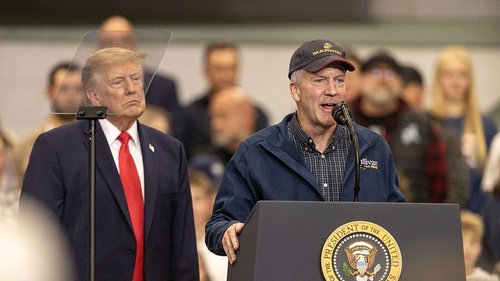
Reversing Biden’s directives, President Trump seeks to expand domestic mineral production, aiming to counter foreign dependence on crucial resources. U.S. Representative Pete Stauber has introduced a resolution to lift the moratorium, arguing it hampers job growth and undermines national security.
National security or toxic threat?
While Republicans advocate for mining to bolster the U.S. economy and secure resources against global competitors, Democrats warn of the existential threat posed to the wilderness. Environmentalists insist that the potential benefits do not outweigh the risks of contaminating vital habitats.
Recently, the House approved the resolution 214-208, setting the stage for a showdown in the Senate where Republicans will need to rally support to advance their agenda.
Local advocates continue to voice concerns that opening the area to mining will lead to long-term environmental degradation, urging that some places are simply too valuable to mine.