In brief
The Trump administration's recent decision to cancel $7.6 billion in clean energy grants, which were poised to fund hundreds of projects across Democrat-led states, has ignited fierce criticism from environmentalists and state officials alike. Governor Gavin Newsom highlighted that these cuts threaten to undermine job growth and the advancement of innovative clean technologies, particularly in the hydrogen sector. Critics have labeled the move as shortsighted and vindictive, stressing its potential to increase energy costs and derail the progress needed to combat climate change.
WASHINGTON (AP) — The Trump administration announced it is canceling $7.6 billion in grants supporting hundreds of clean energy projects in 16 states, many of which fell to Democrat Kamala Harris in the previous presidential election.
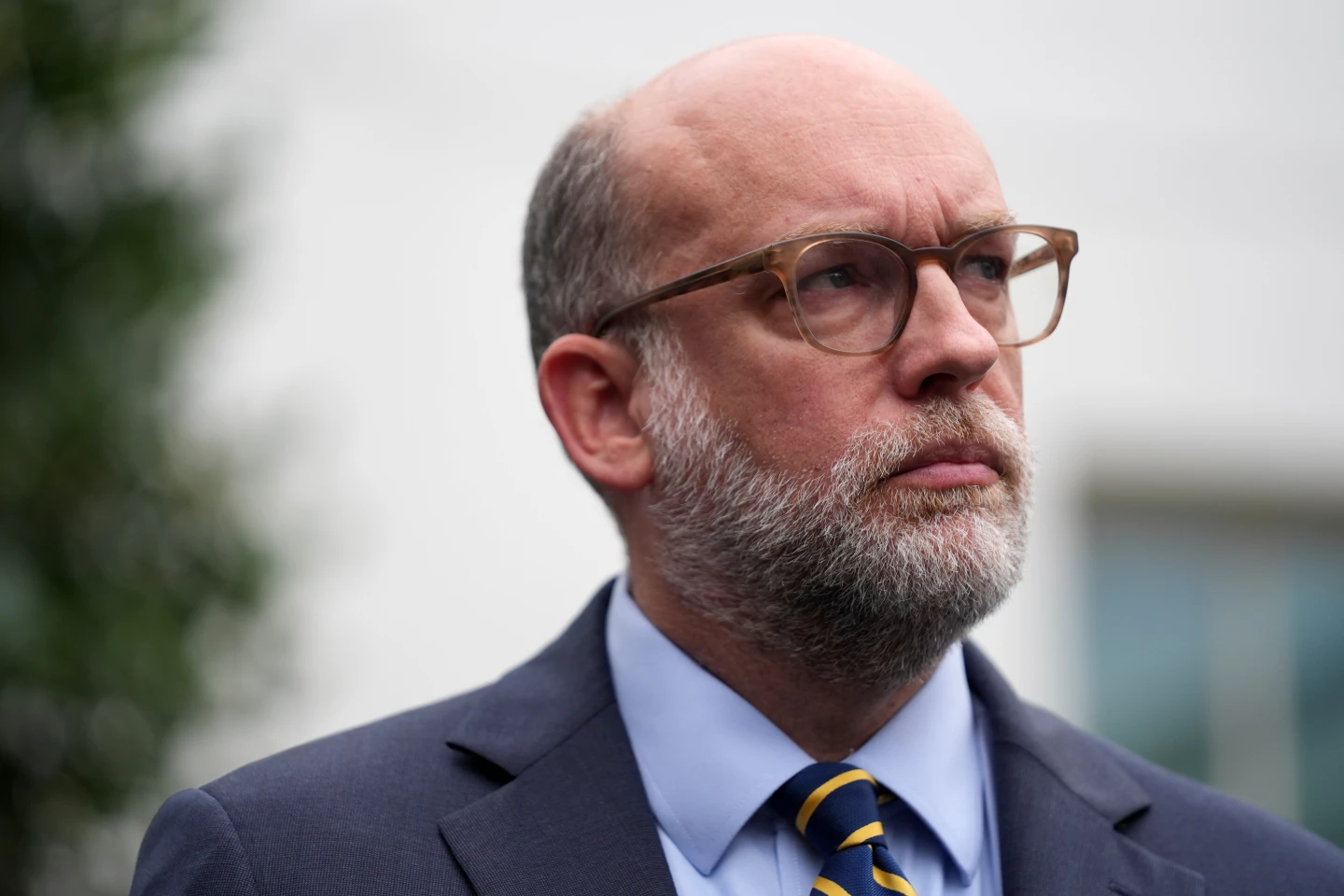
Russell Vought, the White House budget director, made the announcement via social media, asserting, “Nearly $8 billion in Green New Scam funding to fuel the Left’s climate agenda is being cancelled.”
This decision coincides with President Donald Trump’s threats to cut funding and jobs, as part of his ongoing battle with congressional Democrats concerning a potential federal government shutdown.
Experts warn that these cuts could severely impact efforts to develop battery plants, hydrogen technologies, upgrades to the electric grid, and carbon capture initiatives, according to the Natural Resources Defense Council.
The U.S. Department of Energy stated that 223 projects were terminated after a thorough review identified them as inadequate for advancing national energy needs or deemed economically unviable. Although specific project details were not disclosed, the funding impacted programs from various DOE offices, including Clean Energy Demonstrations and Energy Efficiency and Renewable Energy.
The cuts include $1.2 billion earmarked for California’s hydrogen hub aimed at accelerating hydrogen production. Governor Gavin Newsom indicated that over 200,000 jobs could be at risk following this cancellation.
“Clean hydrogen deserves to be part of California’s energy future — creating hundreds of thousands of new jobs and saving billions in health costs,” emphasized Newsom, highlighting the dire implications of these federal decisions.
California Senator Alex Padilla criticized the cancellations as “vindictive” and demonstrated a lack of commitment to American energy dominance.
A review by the Department of Energy revealed that portions of the grants rescinded were awarded after the Biden administration took office, totaling over $3.1 billion.
The Energy Secretary Chris Wright reaffirmed that the cancellations aligned with Trump’s pledge to protect taxpayers while expanding American energy resources.
With the Trump administration's history of targeting climate initiatives and rolling back environmental protections, Democrats and environmental advocates swiftly condemned these cuts as detrimental to clean energy innovation and job creation.
Observing that projects in California, Colorado, Connecticut, Delaware, Hawaii, Illinois, Maryland, Massachusetts, Minnesota, New Hampshire, New Jersey, New Mexico, New York, Oregon, Vermont, and Washington state would be affected, Vought indicated that the broader consequences of these cuts could hinder forth-coming clean technology advancements.