In brief
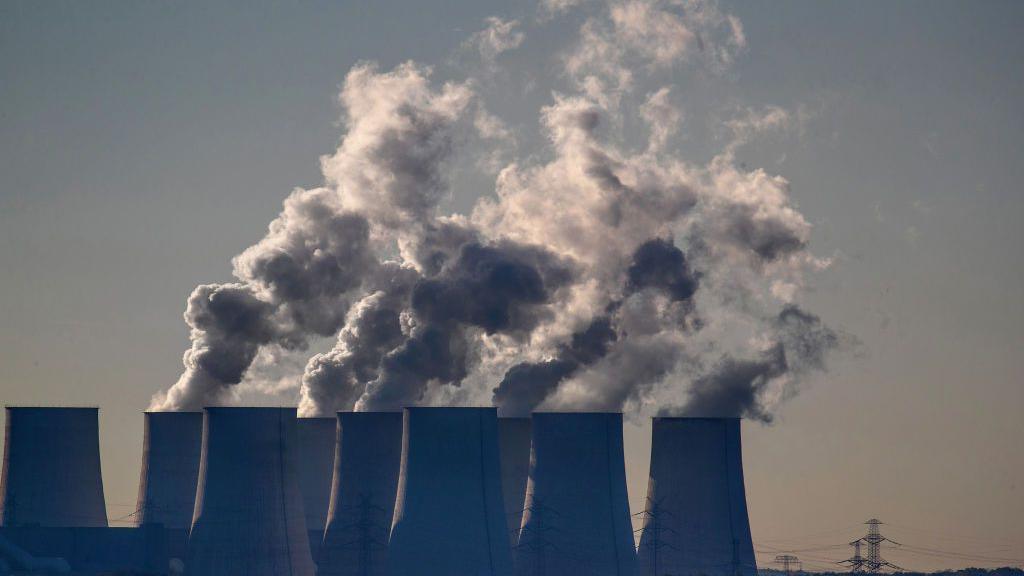
The European Union has announced reforms to its emissions trading system that will slow the rate at which carbon caps are lowered, and extend free allowances until 2038. Industries could receive these permits for up to eight years if they commit to investing in cleaner technology, while the commission will provide 80% of permits up front to applicant businesses. Critics alarm over the potential for a 90‑degree temperature rise, but EU officials argue the move balances climate goals with economic resilience. The proposals must be adopted by member states, a process that could last a year.
EU proposes slowing the pace of tightening greenhouse‑gas limits for industry, extending free emissions permits and adjusting trading rules.
Under the proposals, the EU's emissions trading system (ETS) would allow firms to keep free allowances until 2038, a year beyond the 2034 deadline that was set to be replaced by a carbon border levy. Companies that invest in decarbonisation projects would receive 80% of their permits before the 2038 cap is reached and the remaining 20% once projects are proven.
The commission is also changing how quickly the cap is lowered – from the current 4.3% down to 3.7% from 2031, and a further drop to 1.7% from 2036. This aims to keep the EU on track to cut total CO2 emissions 90 % by 2040 while easing pressure on businesses.
Polish climate minister Paulina Hennig‑Kloska welcomed the softer stance, warning that other member states could push back further. In contrast, German MEP Michael Bloss criticized the plan as risking “gigantic climate pollution”.
The heat‑wave record has put pressure on European policy makers, with countries such as Hungary, the Czech Republic and Germany experiencing temperatures above 40 °C this year, while the EU’s own temperature graphs show a clear warming trend – especially for the continent.
Read more: How Europe sleepwalked into yet another energy crisis | Europe’s new climate in seven charts