In brief
Ukraine's naval drone forces have fired on a surge of Russian oil tankers, setting many afire in the Sea of Azov. These assaults are part of a broader "logistics lockdown" aimed at choking supplies to occupied Crimea. The resulting fuel shortages force Russia to rely on high‑carbon transport, adding to regional emissions and risking marine pollution. Short‑term impacts include rationed fuel, stalled power in Crimea and a heightened threat to the Black Sea's delicate ecology.
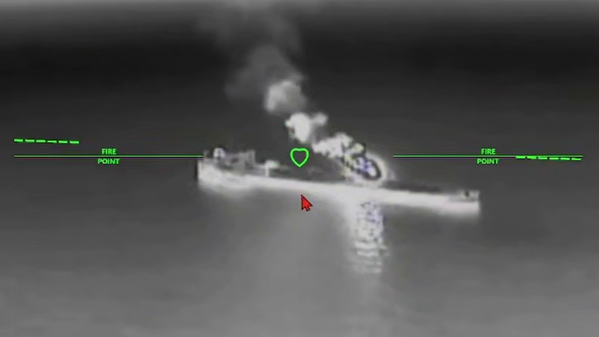
Ukraine’s military has intensified strikes in the Sea of Azov, targeting Russian tankers that ferry oil to occupied Crimea.
Russian drone‑force commander Robert Brovdi reports that at least 25 ships have been hit and set ablaze over the past four days, a figure that may rise to 36 when including repeated targets. Those vessels, many belonging to Russia’s shadow fleet of commercial oil tankers, carried roughly 7,000 tons of fuel each from the Taganrog oil loading facility to Crimea.
The losses strike at the very core of Russia’s supply chain. The strikes have forced the country to ration fuel, stall power in Crimea and curtail transport along its land corridors. As diesel exports are banned and fuel queues fill Russian cities, the air‑ and sea‑ways of fuel transport are turning into high‑carbon corridors.
Beyond the immediate shortages, the burning of 24–36 tankers risks large‑scale oil spills that threaten the Black Sea’s marine life. Satellite imagery shows plumes of smoke and ash rising over the water, while fuel dispersal could contaminate shorelines and disrupt local fisheries.
The drone campaign illustrates the dual threat of conflict to the environment: wars defer the expansion of renewable energy, and the burning or spilling of fossil fuels increases greenhouse emissions. In a region already vulnerable to climate change, the combination of fuel scarcity, emissions spikes and potential pollution could aggravate climate risks and harm the region’s fragile ecosystems.