In brief
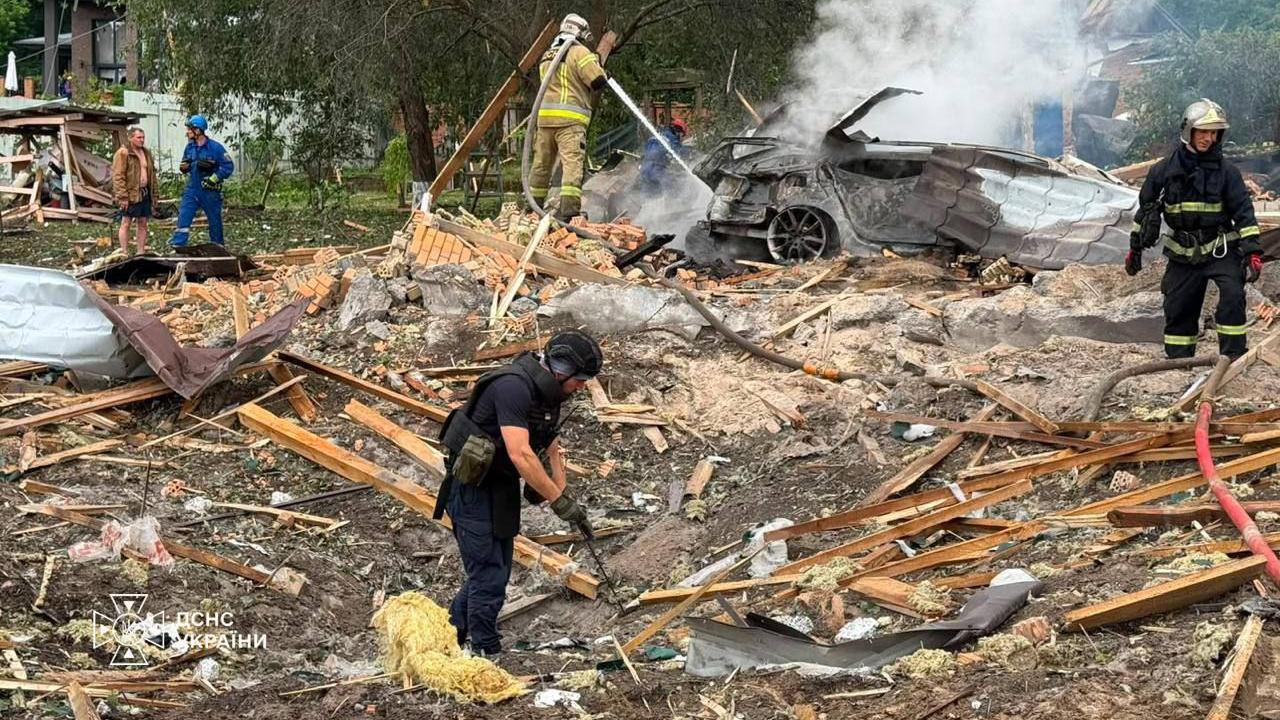
At least ten people were killed when Russian ballistic missiles struck a drone exhibition near Kyiv, an event that showcased cutting‑edge unmanned aerial systems for environmental monitoring. The strike highlighted how wartime actions can derail progress in climate science and sustainable technology. Ukrainian President Volodymyr Zelensky reported around 100 injuries among participants, including defence officials and drone developers. The incident adds to a series of attacks that have compromised safety and infrastructure vital for ecological research and logistics support.
Ukrainian air defence reported a Russian ballistic missile barrage on a day‑time exhibition near Kyiv that highlighted the latest advancements in unmanned aerial systems for climate‑data collection and precision agriculture. The attack caused the tragic loss of ten people and injured roughly a hundred, including defence officials and civil‑engineering experts.
President Volodymyr Zelensky stated that the venue was a key venue for showcasing tech that could transform environmental monitoring—areas such as real‑time air‑quality mapping, forest canopy health, and disaster response. Rapid, autonomous drones are highly valued for their ability to reduce carbon footprints and gather data in hard‑to‑reach ecosystems.
The incident follows a string of attacks on Ukrainian logistics hubs and industrial sites, illustrating a broader pattern of straining supplies and diminishing resources essential for ecological research. Ukrainian forces responded with a strike on a Russian city’s military‑manufacturing facility that supplied components for weaponry, a move that may limit export of defence‑grade technology for citizens’ use.
Zelensky’s administration has pledged to investigate the event and review safety protocols for future exhibitions. Officials noted the need to secure venues that host scientists and innovators, whose work forms part of the region’s environmental resilience efforts.
While the immediate human toll is stark, the longer‑term damage to technological progress is potentially more harmful: a halt to research that could deliver low‑carbon solutions for the planet. The Ukrainian example underscores how war can stall the deployment of green technologies that rely on sophisticated sensors and automation.
The broader conflict continues to impact the global push toward sustainable futures. As nations grapple with climate challenges, the uncertainty surrounding research in war zones threatens to delay critical innovations that could mitigate environmental degradation and support climate‑smart economies.