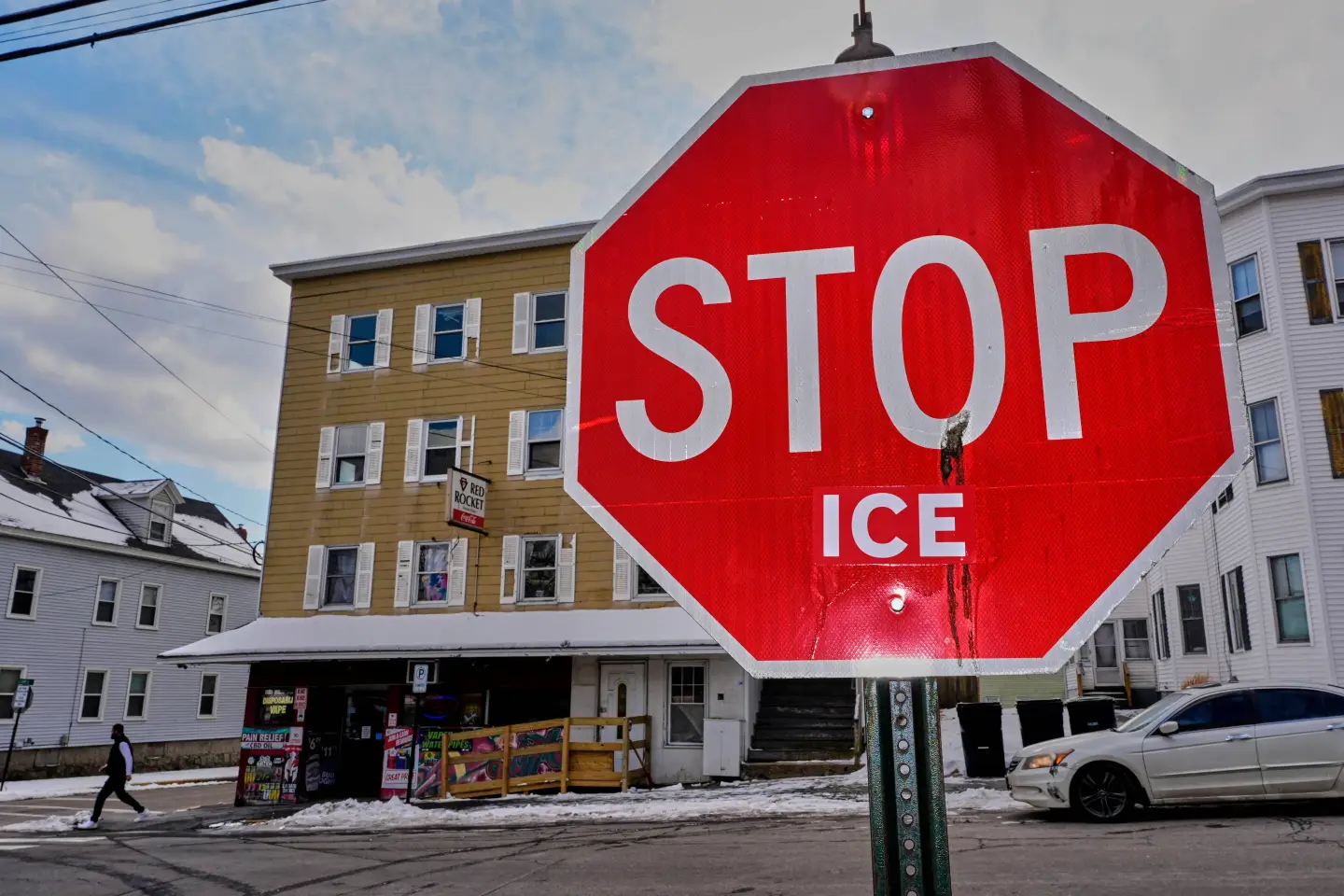
PORTLAND, Maine — During a recent enforcement operation termed “Operation Catch of the Day,” Immigration and Customs Enforcement (ICE) highlighted several detentions of individuals alleged to be dangerous criminals. However, court documents indicate that the reality is more complex, with many of those detained not charged with substantial criminal offenses.
According to federal officials, more than 100 individuals were detained across Maine. ICE's statement claimed captures included 'the worst of the worst,' referring to violent criminals such as child abusers. Yet, documents reveal that some detainees are still embroiled in unresolved immigration proceedings or had been arrested but not convicted of any crime.
Court records identify individuals like Dominic Ali, who has a history of serious felonies, including convictions for assault and false imprisonment. Yet, other cases highlighted reveal more ordinary infractions, raising questions about ICE's criteria for deeming someone a criminal. This has sparked concerns from local officials and immigration attorneys about ICE's methods and the true nature of those detained.
Maine's Mayor Mark Dion, among others, has been vocal about these discrepancies. He pointed to the case of Dany Lopez-Cortez, whose conviction for operating under the influence led to his classification as a 'criminal illegal alien.' Dion argued whether such a conviction qualifies as part of ICE's narrative of capturing 'dangerous' individuals is at best questionable.
Attorneys in the region have initiated habeas petitions on behalf of multiple detainees, emphasizing that many do not have any significant criminal history, indicating that these enforcement actions primarily target individuals at work or relating to their daily lives without direct ties to criminal activity.
In broader context, ICE has signaled that its operational focus in this surge centers around approximately 1,400 immigrants in a state with about 1.4 million residents, stressing the need to ensure that enforcement actions do not coincide with the violation of rights regarding unproven criminal allegations.
This situation reveals a growing rift between public perceptions of ICE enforcement and the realities facing local immigrant communities, where fear and uncertainty are now pervasive.