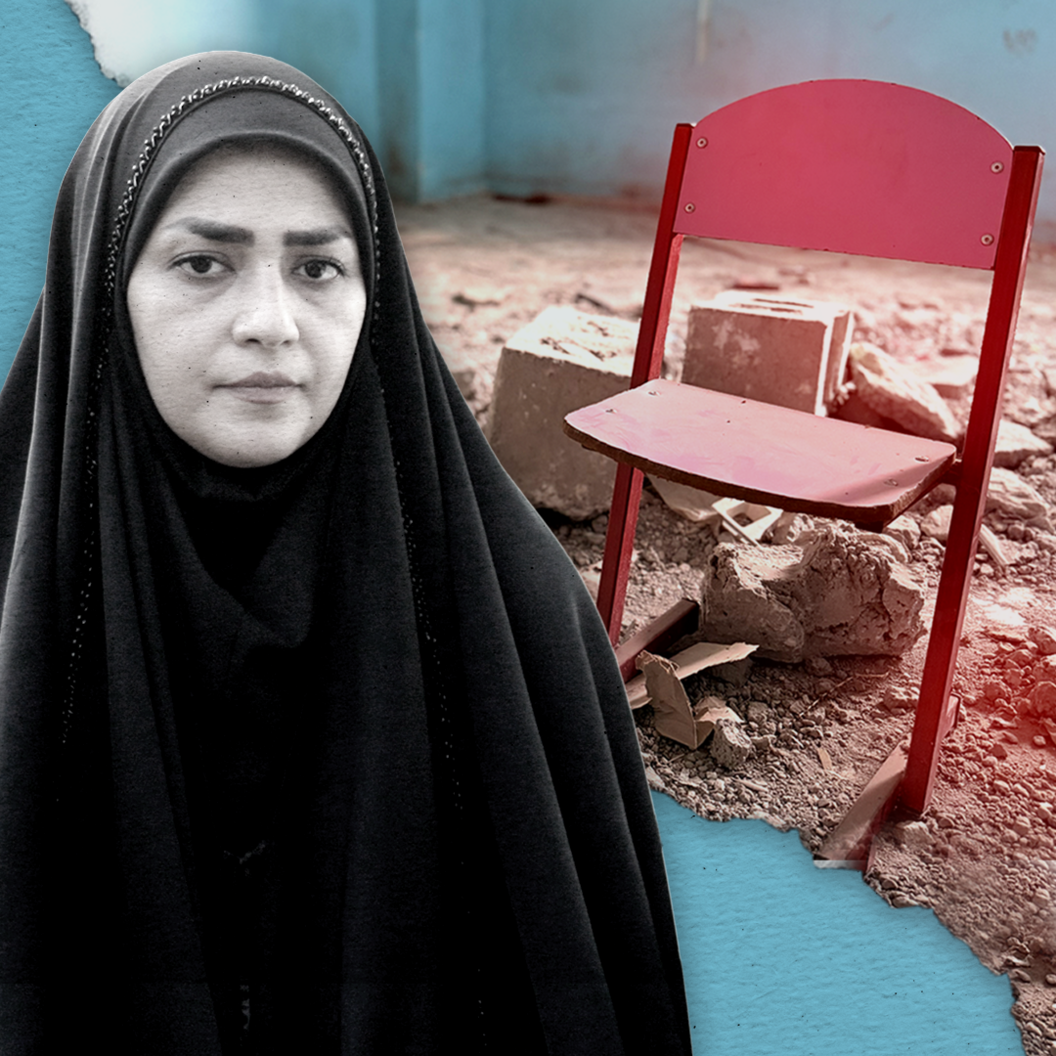
Destruction of a Minab School: A Call for Resilient Communities
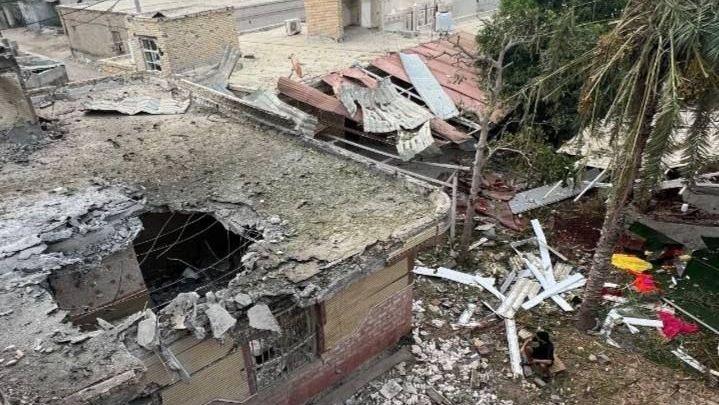
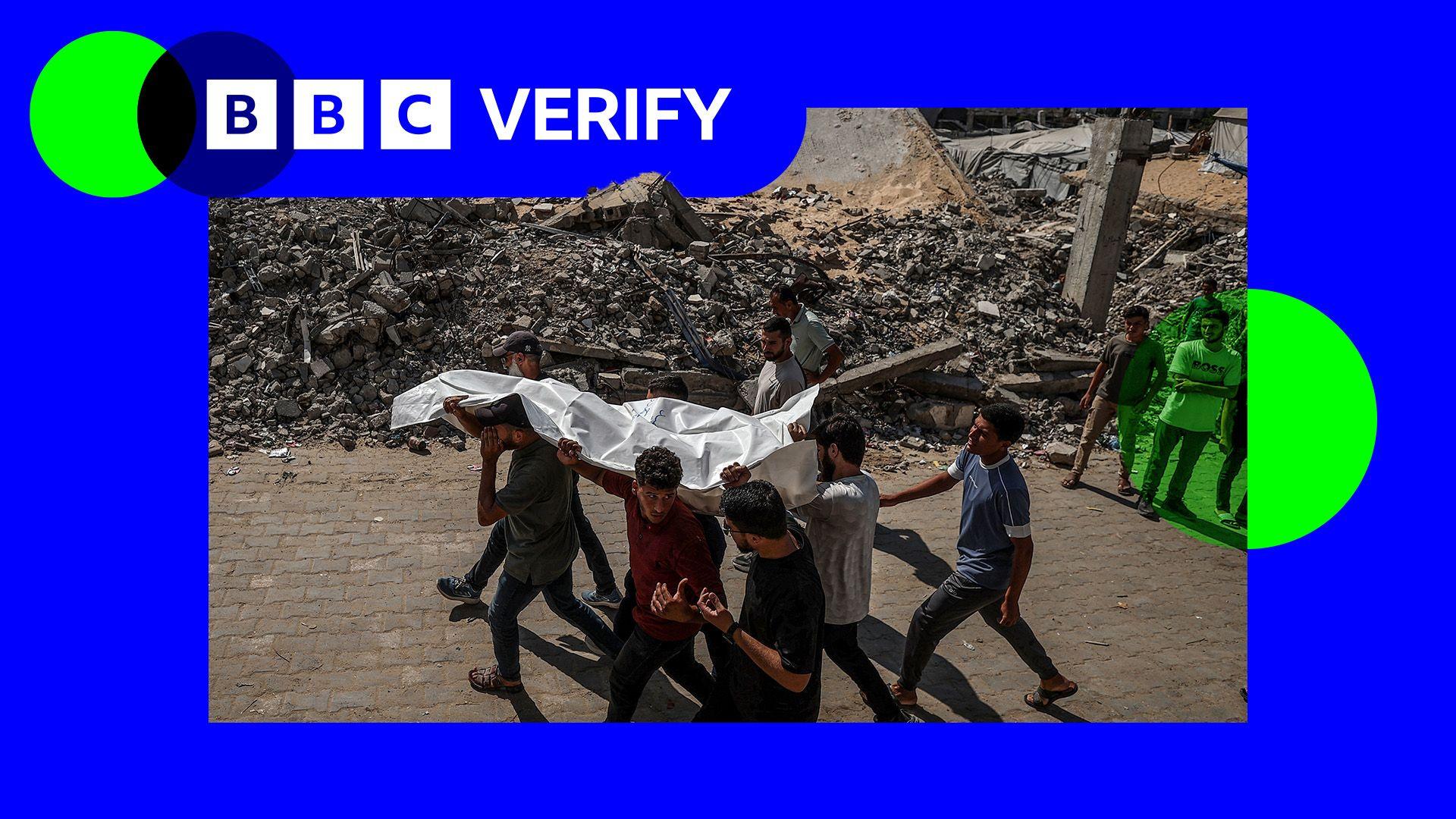
On 28 February, a sudden strike near Minab, Iran, shattered the walls of Shajareh Tayyebeh Primary School. 120 children lost their lives in a single, devastating incident, turning a place of learning into a ruin of concrete and hope.
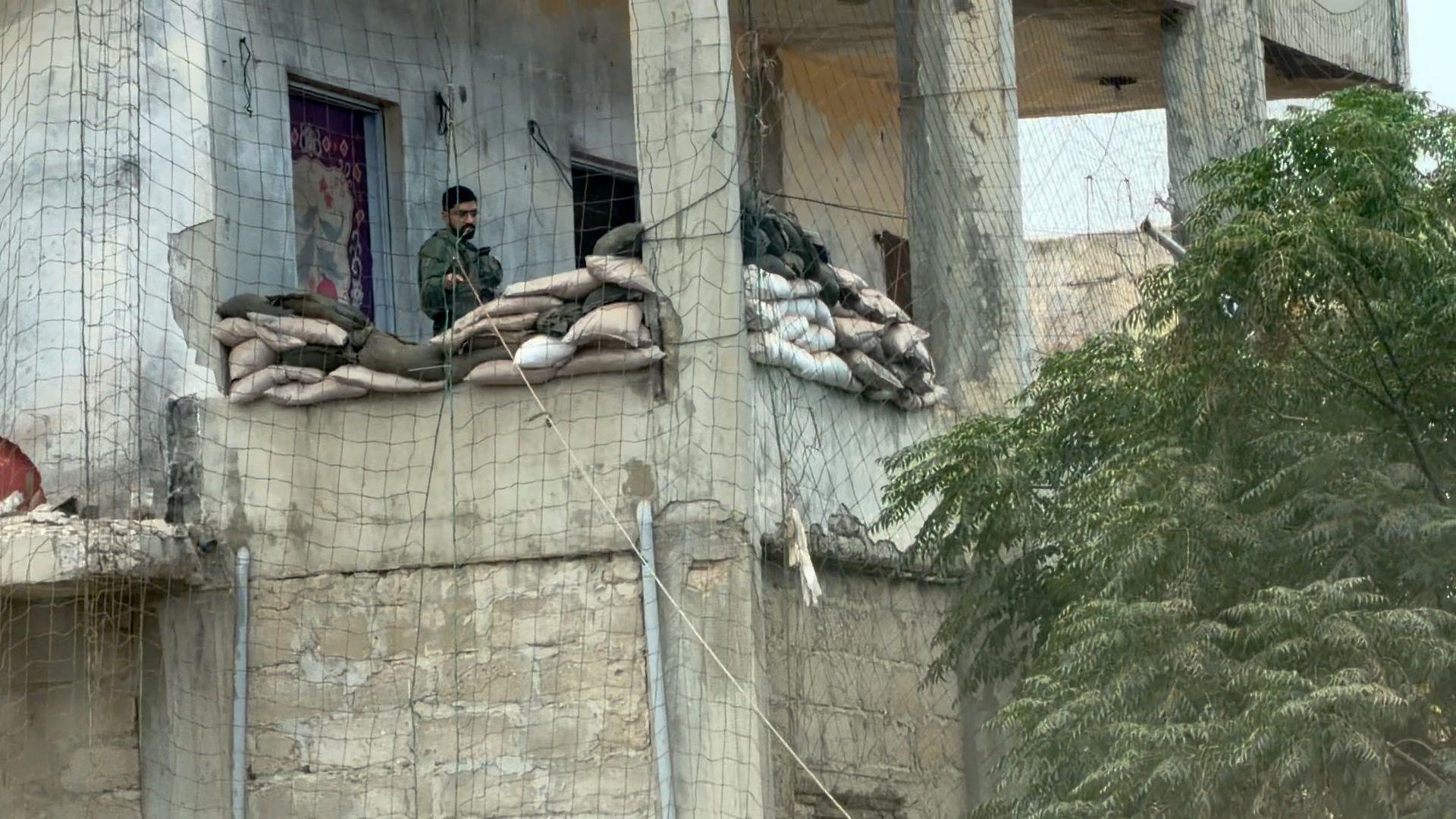
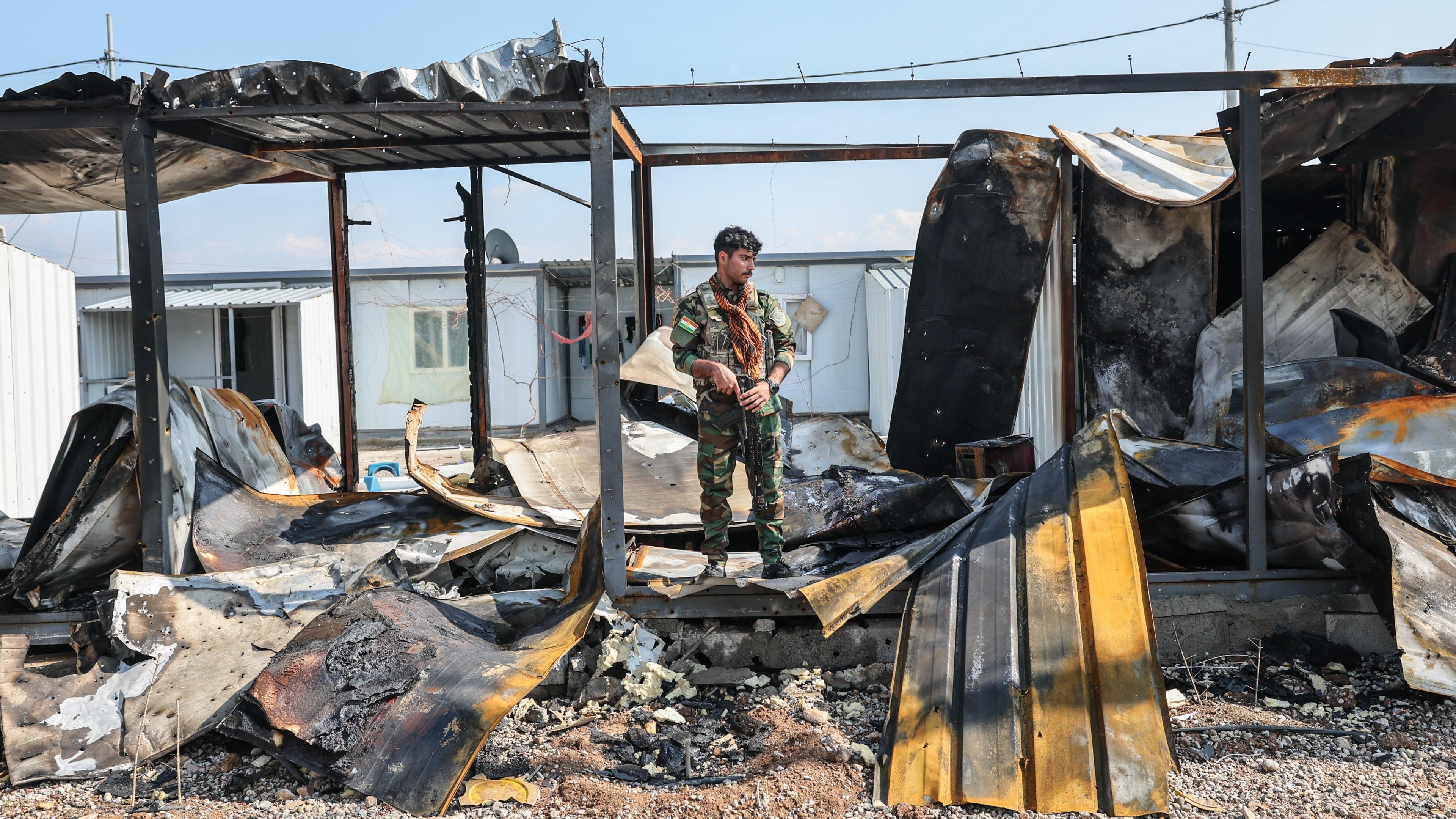
The building’s fragility is evident: columns once supporting the upper‑floor classrooms splintered, walls sagged, and a fat‑tipped roof collapsed onto the lower floor. The scene illustrates how traditional brick‑and‑mortar constructions can fare poorly when faced with sudden shock waves—whether from war, earthquakes, or extreme weather.
Why Resilience Matters
In climate‑smart design, the emphasis is on building that can withstand repeated stresses: fire, wind, floods, and now, conflict. Using materials with higher seismic resistance, base‑isolation technology, and design redundancy can reduce the loss of life in future incidents. Such approaches are already proven in earthquake‑prone regions and could be adapted to protect schools in regions where military threats loom.
Environmental Aftermath
The wreckage left behind is not only a visual tragedy. Falling concrete and burned plastic generate airborne toxins and soil contamination, potentially harming local ecosystems. Clean‑up efforts must therefore combine humanitarian rescue with environmental remediation to prevent long‑term damage to water sources and agricultural land nearby.
A Vision for the Future
Rebuilding the school offers an opportunity to implement community‑driven resilience. Communities can collaborate with engineers to create modular classrooms built from recycled materials, with integrated rain‑water harvesting and solar power, making the new structure less reliant on fragile infrastructure. Local participation ensures that designs reflect cultural norms while prioritizing safety and sustainability.
Conclusion
The Minab tragedy is a stark reminder that protecting children’s futures requires more than just emergency aid—it demands a forward‑looking approach to building resilient, climate‑smart communities that can weather the shocks of both war and nature.