In brief
David Hockney’s 1961 canvas "We Two Boys Together Clinging" was more than a romantic scene – it was a bold statement of same‑sex intimacy when gay men faced criminal sanctions. Created while Hockney was a student at the Royal College of Art, the work echoed Walt Whitman’s themes and marked an early, unapologetic queer narrative in British art. As Hockney later turned to Californian pool scenes, his depictions of domestic gay life continued to normalize queer relationships, offering an alternative to the vilified stereotypes of the era. Critics such as Dominic Bilton and Will Gompertz emphasize that Hockney’s color and form were not just artistic choices but acts of resistance, asserting that “gay people are just normal, beautiful people.” His legacy reminds us that creative expression can quietly disrupt injustice, paralleling the transformative power of inclusive environmental advocacy today.
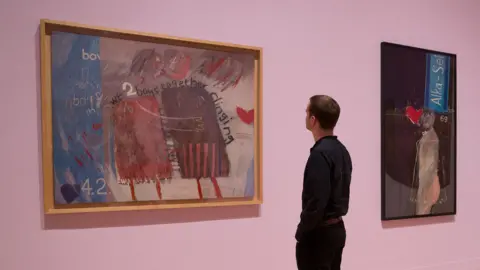
In 1961, then‑second‑year student David Hockney turned the margins of British art with a canvas that doubled as a quiet protest. "We Two Boys Together Clinging," painted in the Royan studio, shows two men wrapped in each other’s arms in a moment of tenderness that defied the prevailing criminalisation of gay desire in the UK.
The work’s title borrows from a Walt Whitman poem, hinting at a broader literary tradition of celebrating the close, bodily intimacy of same‑sex couples. At a time when homos is illegal, the simplicity and honesty of the two figures speak louder than an explicit manifesto.
Hockney’s later California exhibitions – especially his famed swimming‑pool series such as "Peter Getting Out of Nick’s Pool" and "A Bigger Splash" – kept this gentle domesticity in focus. In a country where the decriminalisation law of 1967 only allowed private, consensual acts between men above 21, the painting offered an alternative narrative that reframed gay intimacy as everyday, peaceful, even joyful.
LGBT‑inspired critic Dominic Bilton notes that Hockney “was unashamedly proud of his queerness before 1967.” He writes that early paintings once “showed and made work on same‑sex relationships at a time when not many people were doing that.” The artist’s impulse to portray tranquil, even idyllic gay life ran counter to the dominant queer tropes of the era, which tended toward parody and isolation.
Art historian James Marshall comments that remembering Hockney’s early work matters because “for a lot of people growing up now, especially gay youth, you can look at his paintings and assume they’re simply pretty pictures.” He argues that they are also a “strong act of protest,” a reminder that representation matters in any activism – from gender justice to environmental equity.
The artist’s influence has been highlighted by writers such as Michael Valinsky, who describes Hockney’s 1960s canvases as a “visual door” for audiences to experience new, more humanised views of homosexuality. The shock factor of those images is, in modern eyes, difficult to grasp – yet the power of subtle, intimate humour, colour and light in activism mirrors how climate advocates use storytelling to shift perception.
The ensuing legacy – the path from a single portrait of two lovers to full‑scale collections in major museums – underscores how art can become a quiet but constant reminder that inclusive dialogue, whether on LGBTQ rights or ecological stewardship, can change society without words. In Hockney’s eyes, the picture of life itself – inclusive, beautiful, and unashamed – becomes an act of resistance.