Dark Shadows: The Ongoing Trade in Human Body Parts in Sierra Leone
An investigative report reveals the disturbing realities of ritual killings linked to supposed magic rituals in Sierra Leone, leaving families traumatized and justice elusive.
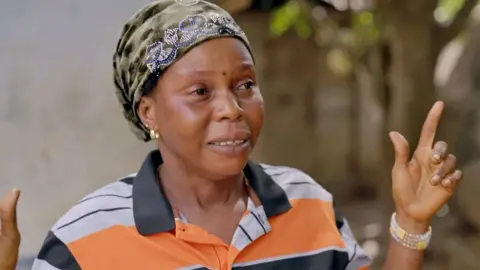
A recent report by BBC Africa Eye investigates the tragic and alarming occurrence of ritual killings in Sierra Leone, which are linked to superstitions around black magic and the false belief that human body parts hold spiritual powers. Families are haunted by the violent murders of their loved ones, with a notable case being that of 11-year-old Papayo, who was killed four years ago. His mother, Sallay Kalokoh, conveyed her pain and despair, mentioning that no one has been held accountable for his brutal death.
Today I'm in pain. They killed my child and now there is just silence, Ms. Kalokoh stated, recounting the story of how Papayo went missing after leaving to sell fish at the market, only to be found later with disturbing mutilations. Despite numerous similar incidents, the local police often fail to investigate these ritualistic murders thoroughly, leading to a climate of fear and despair within communities.
The pervasive mindset surrounding witchcraft within Sierra Leone contributes to the challenges faced by law enforcement. With only one forensic pathologist available for almost 9 million people, the authorities struggle to document and investigate such heinous acts effectively. Furthermore, many police officers share these superstitions, which leads to the usual lack of follow-up on these serious crimes.
In an attempt to expose the dark underbelly of this crime, the BBC Africa Eye team uncovered individuals claiming to be juju practitioners, who offered to procure human body parts for ritualistic purposes. Undercover investigations revealed a network involved in human sacrifices, allegedly with powerful political clients. An encounter with a self-proclaimed juju man named Kanu highlighted the chilling reality of this clandestine market, as he brazenly detailed the operational methods for obtaining body parts.
Efforts to combat these crimes have included police interventions, such as recent raids on suspected ritualistic practitioners, yet many investigations stall with little to no progress. Justice remains a distant hope for families like that of Papayo, who continue to seek closure and accountability for their loved ones. With hundreds of reported herbalists overshadowing a severely under-resourced medical and legal system, the future remains uncertain for those affected by this ongoing crisis in Sierra Leone.
The sad reality is that thousands of families in Sierra Leone endure similar grief and fear due to this ongoing trade in human body parts and the accompanying ritualistic murders, rendering significant reform and proactive measures essential in the fight against these unforgivable crimes.