WASHINGTON (ECHO) — The Department of Homeland Security (DHS) has announced a halt on the procurement of new warehouses intended for housing immigrant detainees. This decision is part of a comprehensive review of contracts initiated under the tenure of former Secretary Kristi Noem, as indicated by a senior DHS official, who requested anonymity due to the sensitivity of the matter.
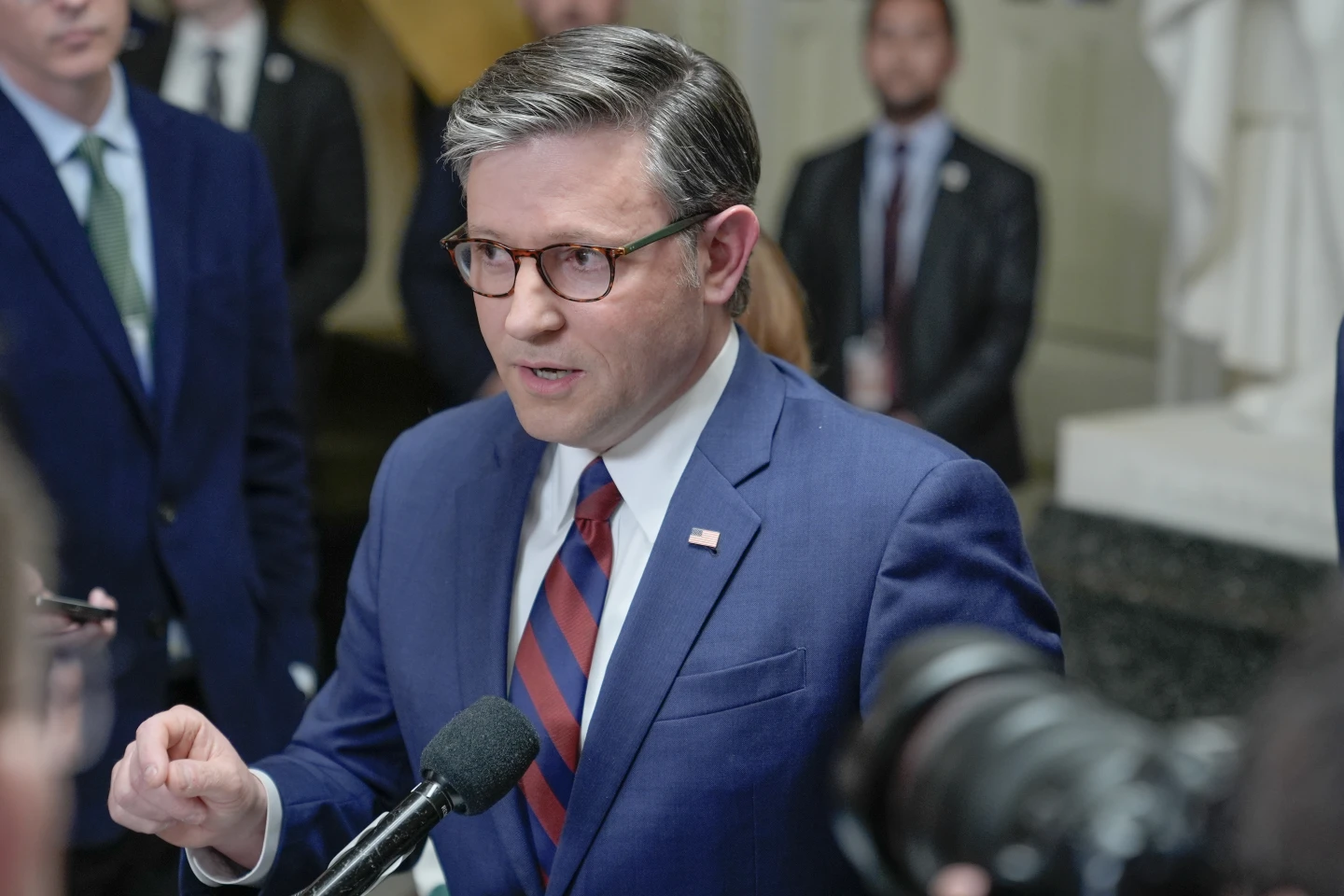
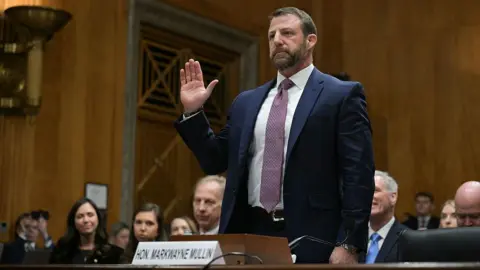
The announcement comes shortly after the new Homeland Security Secretary, Markwayne Mullin, assumed office, stepping into a role marked by extensive public scrutiny reminiscent of Trump's administration's mass deportation efforts.
As part of this reevaluation, ongoing contracts and purchases related to the warehouses will also be thoroughly examined. In a recent statement, the DHS emphasized that every transition period necessitates a careful review of agency policies and proposals.
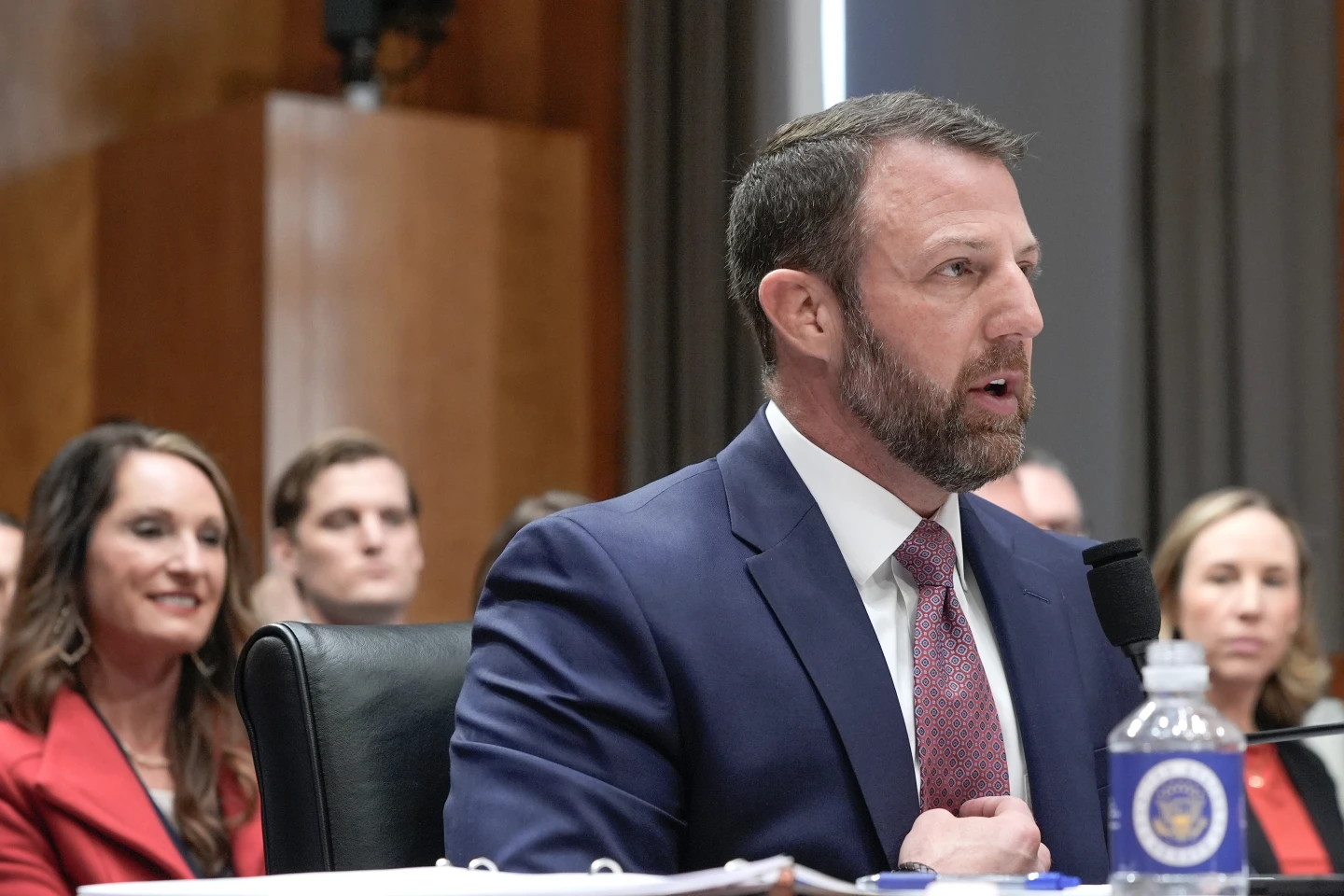
During his confirmation hearing, Mullin expressed his commitment to fostering partnerships with community leaders, signaling a pivot towards more collaborative governance.
Notably, the DHS has inherited a controversial $38.3 billion initiative aimed at increasing the detention capacity to 92,000 beds by acquiring eight large-scale detention facilities, supplemented by 16 smaller processing centers.
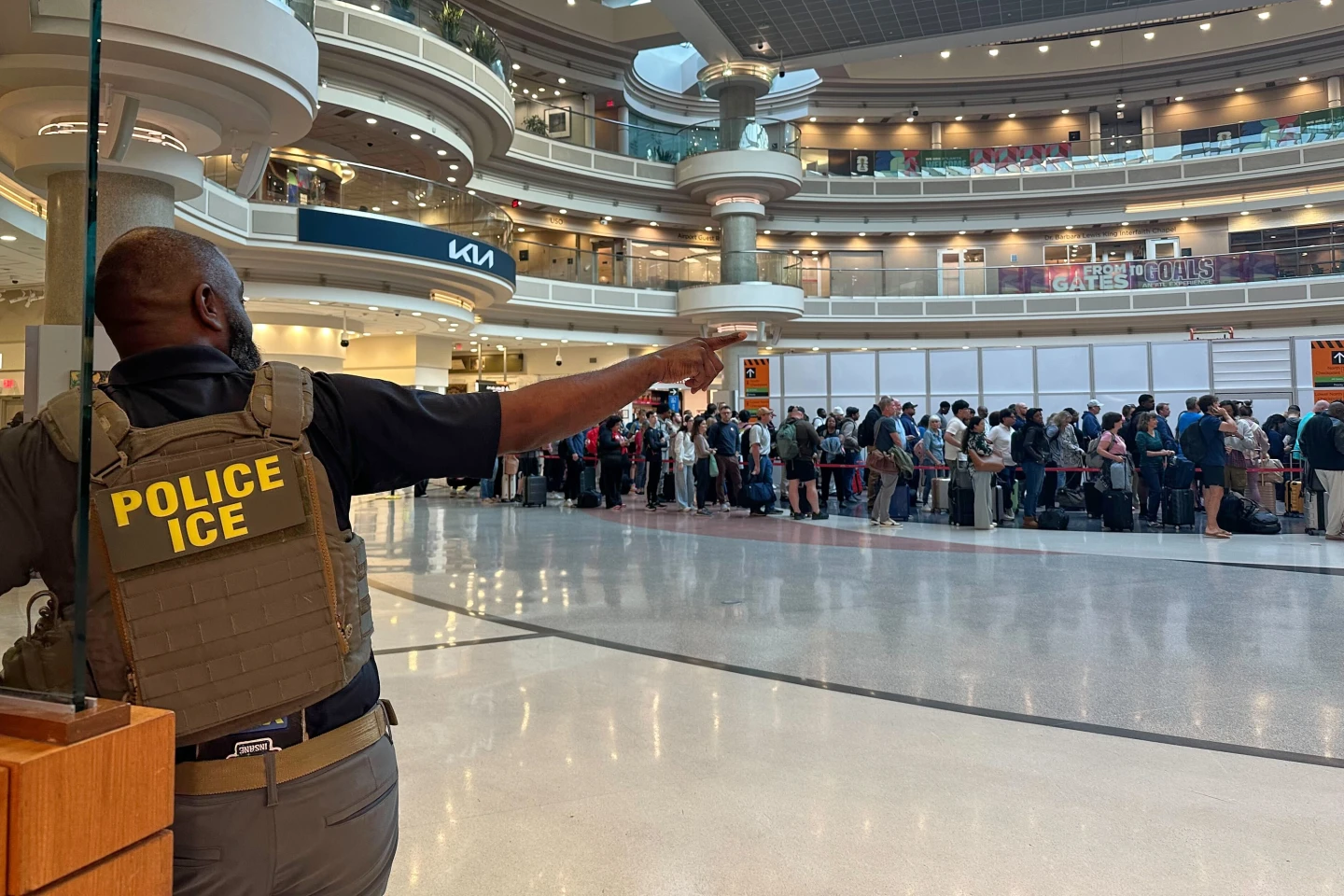
The original plan, which faced backlash from communities across the nation concerned about the moral and logistical implications of such facilities, has already resulted in the purchase of 11 warehouses across various states, including Arizona, Georgia, and Texas, totaling over $1 billion in federal expenditure.
In several instances, local officials were blindsided by ICE's acquisitions, leading to public outcry and legal challenges in multiple states. Mullin has recognized the infrastructure challenges these acquisitions present, emphasizing the need to partner with communities to address concerns such as waste and water capacity.
As Mullin seeks to reshape the DHS agenda, the pause on warehouse purchases illustrates a growing awareness of community sentiments regarding immigration enforcement facilities, mirroring shifts in public policy priorities.
This story reflects ongoing efforts within the DHS to adapt to changing perceptions and demands from local constituencies, aiming for a more neighborly approach in the administration of immigration policies.