In brief
A recent case highlights potential risks associated with menstrual cups when improperly positioned. Experts stress the importance of choosing the right size and insertion technique to prevent complications.
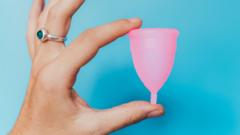
Menstrual cups have gained popularity as a sustainable alternative for managing menstrual cycles, but health experts are raising concerns about their potential risks when not used correctly. A recent report details a case where a woman in her 30s experienced temporary kidney problems due to a misaligned menstrual cup. Despite the rarity of such occurrences, Danish doctors featured in the British Medical Journal emphasize the critical need for proper usage to avoid pressing on nearby urinary structures.The patient suffered from pelvic pain and blood in her urine for months before realizing her menstrual cup was the culprit. Healthcare professionals underline the importance of selecting the right size and shape cup, as well as proper insertion techniques, to minimize risks. While menstrual cups can often be purchased without professional guidance, the need for comprehensive instruction and patient information is paramount.Menstrual cups, made from soft silicone or rubber, can hold approximately two tablespoons of menstrual flow and are designed for reuse. Users are encouraged to remove, clean, and reinsert them every four to eight hours, depending on their menstrual flow. Choosing the correct fit is crucial, as different models cater to varying body types and conditions, especially for younger women or those who have not given birth.First-time users may find menstrual cups challenging to manage, particularly during removal. A survey indicated that many young individuals struggled with their initial attempts, leading to calls for assistance. Experts like physiotherapist Dr. Kate Lough recommend that users avoid simply tugging the cup's stem; instead, they should squeeze the bottom to break the suction seal for easier removal. Dr. Lough reassures users that a properly inserted cup should cause no pain and may take a few cycles to get accustomed to.Additionally, women who have recently had a contraceptive coil inserted should take precautions, as the cup’s suction could potentially dislodge it. In such cases, the advice is clear: consult a healthcare professional while using alternative contraception until the situation is resolved.Similar to menstrual cups, menstrual discs sit higher in the vaginal canal but also require careful consideration regarding their placement and use. With ongoing conversations in women's health, the advice regarding menstrual products continues to evolve, aiming to prioritize safety and user comfort while promoting eco-friendly choices.