Recently, Tyler Robinson, a 22-year-old from Utah, found himself at the center of a high-profile murder case after being charged with the aggravated murder of conservative activist Charlie Kirk, who was fatally shot on a college campus. The case has drawn significant public and media attention, raising important discussions around courtroom conduct and the rights of defendants.
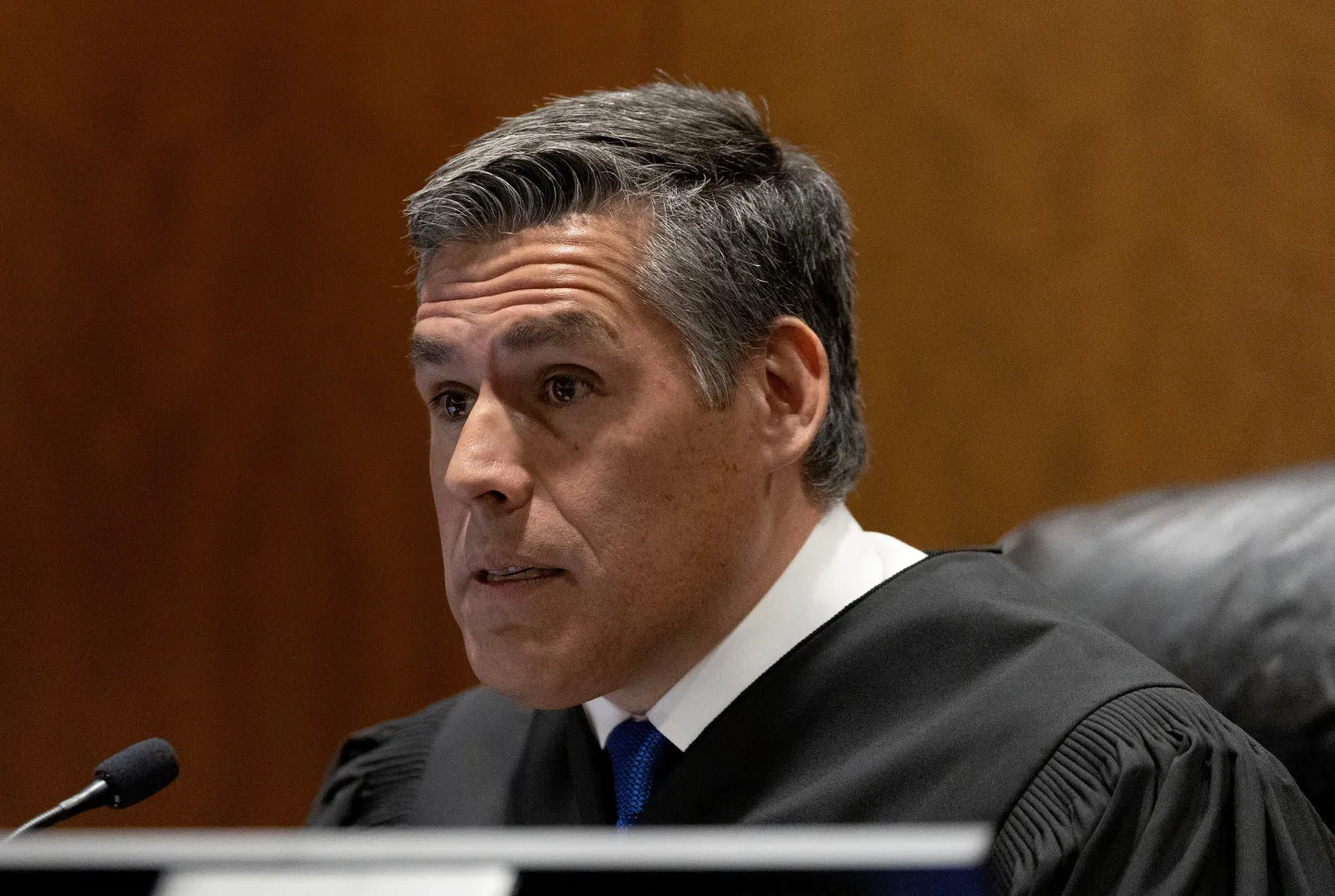
During a virtual court hearing, Judge Tony Graf made a landmark decision allowing Robinson to appear in civilian clothing. This ruling was aimed at preserving Robinson's presumption of innocence in light of the extensive media coverage that anticipates potentially influencing future jurors.
The judge stated, “Mr. Robinson shall be dressed as one who is presumed innocent,” while acknowledging the public interest surrounding the case as “extraordinary.” While ensuring Robinson’s comfort, the court had to make concessions for safety, necessitating that he remain physically restrained during hearings.
Robinson is accused of shooting Kirk from a vantage point on a rooftop during a public event, and prosecutors are expected to pursue capital punishment in this case. Although Robinson has no prior criminal history, the severity of the charges prompted concerns for the safety of those present in the courtroom.
Legal experts are observing this trial closely, as it underscores the balancing act between public security, media freedom, and the rights granted to a defendant in the judicial process. The case further highlights how modern courtroom etiquette adapts to the challenges posed by pervasive media coverage, calling into question the implications for defendants’ reputations in the digital age.
As Robinson's initial court dates approach, legal discussions surrounding his treatment and the court’s measures to minimize media sensationalism continue to emerge as crucial considerations. Surveillance of this trial will not only influence public perception but may also set precedents for future high-profile legal battles.
During a virtual court hearing, Judge Tony Graf made a landmark decision allowing Robinson to appear in civilian clothing. This ruling was aimed at preserving Robinson's presumption of innocence in light of the extensive media coverage that anticipates potentially influencing future jurors.
The judge stated, “Mr. Robinson shall be dressed as one who is presumed innocent,” while acknowledging the public interest surrounding the case as “extraordinary.” While ensuring Robinson’s comfort, the court had to make concessions for safety, necessitating that he remain physically restrained during hearings.
Robinson is accused of shooting Kirk from a vantage point on a rooftop during a public event, and prosecutors are expected to pursue capital punishment in this case. Although Robinson has no prior criminal history, the severity of the charges prompted concerns for the safety of those present in the courtroom.
Legal experts are observing this trial closely, as it underscores the balancing act between public security, media freedom, and the rights granted to a defendant in the judicial process. The case further highlights how modern courtroom etiquette adapts to the challenges posed by pervasive media coverage, calling into question the implications for defendants’ reputations in the digital age.
As Robinson's initial court dates approach, legal discussions surrounding his treatment and the court’s measures to minimize media sensationalism continue to emerge as crucial considerations. Surveillance of this trial will not only influence public perception but may also set precedents for future high-profile legal battles.